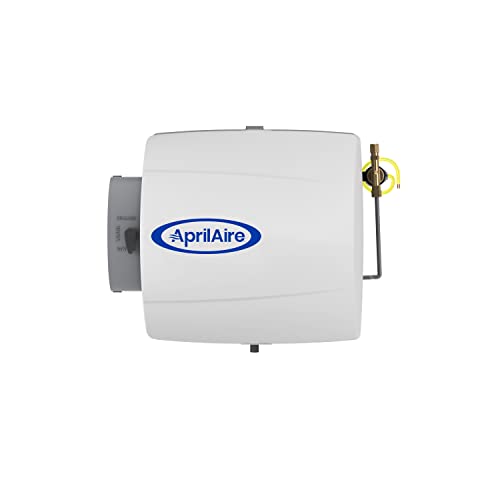
Humidifier for My Furnace: The Complete Guide to Whole-Home Humidity Control
If your home feels dry every winter — static shocks from door handles, chapped lips, cracking wood floors, and a scratchy throat each morning — the problem may not be your furnace itself, but the lack of moisture in the air it circulates. A humidifier for your furnace solves that problem at the source by adding moisture directly into the heated air stream before it reaches your rooms.
This guide explains what a furnace humidifier is, how it works alongside your heating system, which types suit different homes, how to size one correctly, and what maintenance keeps it running for years. By the end, you will understand exactly what to look for when choosing a whole-home humidifier that fits your furnace and your household.
What This Guide Covers
- What a furnace humidifier is and why it matters
- How a humidifier integrates with your furnace
- Types of furnace humidifiers compared
- Signs your home needs added humidity
- How to size a humidifier for your home
- Installation: professional vs. DIY
- Maintenance and seasonal care
- Humidity levels and health considerations
- Frequently asked questions
What Is a Humidifier for My Furnace?
A furnace humidifier, also called a whole-home humidifier or HVAC humidifier, is a device mounted on or near your furnace that adds moisture to the air passing through your ductwork. Unlike a portable room humidifier that serves a single space, a furnace humidifier treats the entire house through the same distribution system that delivers heat.
The concept is straightforward: your furnace pulls return air from the house, heats it, and pushes it through supply ducts. A humidifier taps into your home's water supply and introduces moisture into that air stream. The humidified air then travels to every room connected to the duct system — living rooms, bedrooms, hallways, and basements alike.
This whole-home approach offers consistency that portable units cannot match. There are no refill tanks to carry, no risk of a child knocking over a unit, and no dry pockets in rooms where a portable humidifier does not reach. If you already have a house air conditioner and ductwork in place, adding a furnace humidifier leverages the same infrastructure during the heating season.
Why Indoor Humidity Drops in Winter
Cold outdoor air holds very little moisture. When that air enters your home and is heated by the furnace, its relative humidity falls dramatically — warm air can hold far more water vapor than cold air, so the same absolute moisture content results in a much lower relative humidity reading. This is why a home that feels fine in summer can feel uncomfortably dry in winter even with the same amount of water vapor present.
The consequences go beyond comfort. Dry air draws moisture from your skin, respiratory passages, and household materials. Wood furniture and flooring can crack or separate at the seams. Paint and drywall may develop hairline cracks. Static electricity builds up. And many people experience worsened allergy and asthma symptoms when nasal passages dry out.
Understanding the relationship between temperature and humidity is part of broader indoor air quality management. If you are also dealing with excess moisture in other seasons, our guides on how to lower humidity in your house and fixing high humidity cover the opposite problem. The ideal approach is balanced humidity year-round — not too dry, not too damp.
How a Furnace Humidifier Works With Your Heating System
Most furnace humidifiers operate only when the furnace is actively heating, which is efficient and prevents over-humidification during mild weather. The sequence typically works like this:
- The thermostat calls for heat and the furnace blower starts.
- The humidistat — a humidity-sensing control — checks whether indoor humidity is below the setpoint.
- If humidity is low, a water valve opens and water flows into the humidifier's media or evaporator pad.
- Warm air from the furnace passes through the moistened media, absorbing water vapor.
- The humidified air travels through the ducts to condition the whole home.
This integration means the humidifier and furnace work as a system. A well-maintained furnace is essential — if airflow is restricted or the blower is failing, humidification performance suffers too. Our article on how an air conditioner works explains the shared airflow principles that apply to both heating and cooling systems.
Some advanced systems use a dedicated humidistat that can run the furnace fan even without a heat call, allowing humidification during shoulder seasons. Others, particularly steam humidifiers, can operate independently of the furnace blower. The right configuration depends on your climate and comfort priorities.
Types of Humidifiers for Furnaces Compared
Furnace humidifiers fall into a few main categories. Each has distinct characteristics in terms of output, installation complexity, and maintenance requirements. The table below summarizes the key differences using market-tier descriptors rather than numeric figures.
| Type | How It Works | Best For | Maintenance Level |
|---|---|---|---|
| Bypass humidifier | Diverts a portion of heated supply air through a water-moistened pad and returns it to the return duct. | Homes with forced-air furnaces and moderate humidity needs; essential tier to mid-tier systems. | Moderate — pad replacement once or twice per heating season. |
| Fan-powered humidifier | Uses a small fan to push air through the moistened pad, eliminating the need for a bypass duct. | Tight installations where duct routing is difficult; mid-range to high-end tier. | Moderate — pad replacement and fan inspection. |
| Steam humidifier | Boils water to create steam that is injected directly into the ductwork. | Large homes or very dry climates needing high output; professional-grade tier. | Higher — canister replacement and scale management. |
| Spray mist humidifier | Sprays a fine mist into the air stream using a nozzle. | Specific commercial or specialized setups. | Variable — depends on water quality and nozzle care. |
For most residential forced-air systems, a bypass humidifier offers a solid balance of performance and simplicity. Fan-powered models suit homes where a bypass duct would be awkward to route. Steam units are the top-tier choice when output demand is high, such as in larger homes or exceptionally cold, dry climates.
If your home uses a different heating configuration, such as an attic furnace, our guide to a humidifier for an attic furnace addresses the specific installation and access considerations for that setup.
Signs Your Home Needs a Furnace Humidifier
Not every home needs added humidity, but certain signals strongly suggest it. Watch for these indicators during heating season:
- Frequent static shocks when touching doorknobs, light switches, or other people.
- Dry skin, chapped lips, and itchy eyes that persist indoors despite moisturizing.
- Nosebleeds and scratchy throats, especially upon waking.
- Cracks in wood furniture, flooring, or trim that appear or widen in winter.
- Gaps between hardwood floor planks that close up again in humid months.
- Persistent dry cough or worsened respiratory irritation.
- Hygrometer readings below 30 percent relative humidity during heating season.
A simple hygrometer — an inexpensive humidity meter — removes the guesswork. Place it in a central living area and monitor readings over a week. If levels consistently sit below the recommended range, a whole-home humidifier is worth considering. Our guide on how to tell the humidity in your house walks through measurement methods in more detail.
Tip: Before assuming dry air is the only issue, rule out other causes of discomfort. Sometimes a home feels dry because the furnace is overheating the space or airflow is unbalanced. A professional HVAC inspection can confirm whether humidity is truly the root problem.
How to Size a Humidifier for Your Home
Sizing a furnace humidifier is based on three main factors: the volume of your home, how tightly it is sealed, and the severity of your climate's dryness. Manufacturers publish capacity ratings in gallons per day, and the goal is to select a unit whose output matches your home's moisture demand.
Factors That Affect Sizing
- Square footage and ceiling height — larger conditioned volume needs more moisture output.
- Building envelope tightness — drafty homes lose moisture faster and may need higher capacity.
- Climate severity — colder, drier winters increase demand.
- Occupancy and activity — more occupants and activities like cooking add some moisture naturally.
- Existing humidity sources — bathrooms, kitchens, and indoor plants contribute small amounts.
As a general rule, entry-level bypass humidifiers suit smaller, well-sealed homes. Mid-range fan-powered units handle average-sized homes with typical envelope conditions. For large houses or exceptionally dry climates, high-end tier steam humidifiers provide the output needed to maintain comfortable levels. If your home is especially large, our guide to a humidifier for a big house explores higher-capacity options and zoning strategies.
Sizing too small leaves you under-humidified on the coldest days. Sizing too large can cause excess condensation on windows and potentially contribute to moisture problems in wall cavities. Correct sizing matters — and a qualified HVAC contractor can perform a load assessment to get it right.
Installation: Professional vs. DIY
Installation complexity depends heavily on the humidifier type. Here is a realistic breakdown:
Bypass and Fan-Powered Humidifiers
These are the most DIY-friendly options. Installation involves cutting into the supply and return ductwork, mounting the humidifier body, connecting a water supply line (typically tapping into a nearby copper or PEX line), running a drain line, and wiring the humidistat to the furnace control board. A confident homeowner with plumbing and light electrical experience can complete the job in a few hours. However, mistakes in duct cutting or wiring can cause leaks or furnace control issues, so many homeowners prefer professional installation.
Steam Humidifiers
Steam units require a dedicated electrical circuit, a water supply, a drain, and careful steam distribution piping. They generate significant heat and moisture and must be installed with proper clearances. This is professional-grade work — most manufacturers recommend licensed HVAC installation, and local codes may require it.
Regardless of type, several installation considerations apply:
- Water supply quality — hard water accelerates scale buildup; a water softener or filter may be advisable.
- Drain access — humidifiers produce wastewater that must drain properly.
- Duct clearance — the unit needs sufficient space around the duct for service access.
- Electrical safety — wiring must follow local codes and manufacturer instructions.
If you are comparing installation approaches for related HVAC equipment, our guides on getting an installation quote and testing a new AC installation offer useful frameworks that apply to humidifier projects as well.
Maintenance and Seasonal Care
A furnace humidifier is a low-maintenance device, but neglecting it leads to reduced performance, mineral buildup, and potential water damage. A simple routine keeps it efficient for many years.
Monthly During Heating Season
- Inspect the evaporator pad or water panel for mineral scale and replace as needed.
- Check the drain line for clogs or kinks.
- Verify the humidistat is responding correctly.
- Look for leaks around the water connection.
Start of Heating Season
- Replace the pad or canister with a fresh one.
- Clean the water distribution tray and orifices.
- Test the water valve and float mechanism.
- Set the humidistat to the recommended level for your climate.
End of Heating Season
- Shut off the water supply to the humidifier.
- Turn off the humidistat or set it to the off position.
- Remove and discard the used pad to prevent mold growth during the cooling season.
- Clean the unit body and inspect for wear.
Regular furnace maintenance also supports humidifier performance. Our guide on how long AC units last covers the general lifespan expectations for HVAC equipment, and the same principles of preventive care extend to your heating system and its accessories.
Humidity Levels, Health, and Home Protection
The target indoor relative humidity during heating season is generally 30 to 50 percent. In very cold climates, keeping the upper end of that range can cause condensation on cold window glass, which can lead to mold and wood rot. A common approach is to lower the humidistat setpoint as outdoor temperatures drop — for example, targeting around 35 percent during mild winter days and closer to 30 percent during deep freezes.
Proper humidity supports respiratory health by keeping mucous membranes moist, which helps them filter airborne particles. It also reduces static electricity, protects wood furnishings, and can make a home feel warmer at a lower thermostat setting — an efficiency benefit that pairs well with a well-maintained heating system.
Conversely, too much humidity invites mold, dust mites, and condensation damage. If you notice fogged windows, damp spots, or a musty smell, reduce the humidistat setting and investigate. Our resource on humidity levels for your home provides detailed guidance on target ranges for different seasons and climates.
For households managing both humidification in winter and dehumidification in summer, understanding the full picture of house humidification and ventilation is valuable. Balanced moisture control throughout the year protects both your health and your home's structure.
Furnace Humidifier vs. Portable Humidifier
Portable humidifiers have their place — they are simple, require no installation, and can be moved between rooms. But for whole-home comfort, a furnace-integrated unit offers clear advantages:
- Coverage — treats every room connected to the ductwork, not just one space.
- Convenience — no daily refilling of tanks.
- Consistency — maintains stable humidity rather than fluctuating with portable unit cycles.
- Safety — no risk of tipping, spills, or children accessing the unit.
- Aesthetics — hidden within the HVAC system, out of living spaces.
That said, portable units can supplement a whole-home system in unusually dry rooms or during shoulder seasons when the furnace runs infrequently. For most homeowners with forced-air heating, though, a furnace humidifier is the more comprehensive solution. If you are weighing options for a smaller space or an apartment, our guide to a humidifier for an entire house compares whole-home and room-level approaches in more depth.
Common Mistakes to Avoid
- Skipping pad replacement — a clogged pad drastically reduces output and can harbor mold.
- Setting humidity too high — over-humidification causes window condensation and structural moisture issues.
- Ignoring water quality — hard water shortens pad and canister life; consider filtration or softening.
- Neglecting the drain — a clogged drain can overflow and damage the furnace area.
- Forgetting seasonal shutdown — leaving the water on during cooling season invites mold and mineral buildup.
- Oversizing or undersizing — match capacity to your home's actual demand for best results.
Avoiding these pitfalls is mostly a matter of routine attention. A few minutes each month and a proper seasonal startup and shutdown routine will keep your humidifier performing reliably for many heating seasons.
Frequently Asked Questions
What does a humidifier for my furnace actually do?
It adds moisture to the heated air that your furnace distributes through the ductwork. During winter, indoor air can become very dry, and a whole-home humidifier helps maintain a comfortable humidity level throughout the house.
How do I know if I need a humidifier for my furnace?
Common signs include static shocks, dry skin and chapped lips, frequent nosebleeds, cracking wood furniture, and humidity readings below 30 percent. A hygrometer can confirm whether your indoor humidity is consistently low.
What is the ideal indoor humidity level in winter?
Most experts recommend keeping indoor relative humidity between 30 and 50 percent. In colder climates, keeping it toward the lower end of that range helps prevent condensation on windows and mold growth.
Can I install a furnace humidifier myself?
Bypass and fan-powered humidifiers can be installed by a confident DIYer with plumbing and sheet-metal experience. Steam humidifiers and any unit requiring electrical connections are best installed by a qualified HVAC professional.
How often should I replace the humidifier pad?
Typically once or twice per heating season, depending on water hardness and usage. Homes with hard water may need more frequent replacement. Inspect monthly and replace when scale buildup is visible.
Does a furnace humidifier work with a heat pump?
Yes, many humidifiers can be integrated with heat pump systems, though installation specifics differ from gas or oil furnaces. A professional can advise on compatibility and the appropriate control strategy.
Will a furnace humidifier increase my energy bills?
Bypass and fan-powered humidifiers use minimal energy — mainly the furnace blower and a small water valve. Steam humidifiers use more electricity to boil water. In all cases, improved humidity can allow a slightly lower thermostat setting, which may offset some operating energy.