
Humidity Level for Home: The Complete Guide to Ideal Indoor Air
Understand the ideal relative humidity range for your home, how to measure it accurately, and practical solutions to fix high humidity using AC systems, dehumidifiers, and simple lifestyle changes.
START LEARNINGWhy humidity matters: Indoor relative humidity affects how comfortable you feel, how hard your air conditioner works, your energy usage, and even your family's health. Getting it right is one of the most overlooked aspects of home comfort.
What Is Relative Humidity and Why Does It Matter?
Relative humidity (RH) is the amount of water vapor in the air expressed as a percentage of the maximum amount the air could hold at a given temperature. When people ask about the "humidity level for home," they are almost always referring to relative humidity indoors.
RH matters because it directly influences how your body regulates temperature. High humidity makes warm air feel hotter because sweat evaporates more slowly. Low humidity causes dry skin, irritated sinuses, and static electricity. It also affects how your house air conditioner performs, since a significant portion of an AC's job is removing moisture from the air, not just cooling it.
Understanding how your air conditioner works to dehumidify is the first step toward controlling indoor humidity effectively.
The Ideal Humidity Level for Home: A Quick Reference
Most building science and health organizations recommend keeping indoor relative humidity within a specific band. The table below summarizes what each RH range means for your home.
| Relative Humidity (RH) | What It Means | Recommended Action |
|---|---|---|
| Below 30% | Too dry. Dry skin, nosebleeds, static, respiratory irritation. | Add moisture with a humidifier or reduce ventilation. |
| 30% – 40% | Slightly dry but acceptable for many homes, especially in winter. | Monitor; consider a humidifier if occupants feel discomfort. |
| 40% – 50% | Ideal range for comfort, health, and energy efficiency. | Maintain with balanced ventilation and AC operation. |
| 50% – 55% | Upper limit of acceptable. Slight risk of condensation on cold surfaces. | Increase ventilation or run the AC more consistently. |
| Above 55% | Too humid. Mold, dust mites, musty odors, and structural damage risk. | Dehumidify immediately using AC or a dedicated dehumidifier. |
Signs Your Home Has High Humidity
High indoor humidity is often obvious before you ever measure it. Common warning signs include:
Condensation on Windows
Water droplets or fog on interior glass, especially in the morning, indicate excess moisture in the air.
Musty Odors
A persistent damp or earthy smell in closets, basements, or bathrooms is a classic sign of high humidity.
Peeling Paint or Warped Wood
Moisture causes paint to bubble and wood floors or furniture to warp over time.
Clammy, Sticky Air
If your skin feels sticky and the air feels "heavy" even at moderate temperatures, RH is likely too high.
How to Measure Indoor Humidity Accurately
To confirm whether your home is within the ideal humidity level for home comfort, you need a reliable measurement. Here are the practical options:
- Digital hygrometer: A dedicated indoor hygrometer is the most accurate and consistent method. Place it in the central living area for a representative reading.
- Smart thermostat with humidity sensor: Many modern thermostats display indoor RH alongside temperature, making continuous monitoring effortless.
- Portable weather stations: These often include humidity sensors and can be moved from room to room for spot checks.
- Home weather stations: Higher-end units log humidity over time, which helps you identify patterns and seasonal changes.
If you want a step-by-step approach to determining your home's moisture level without specialized equipment, read our guide on how to tell the humidity in your house. For a more technical breakdown, see how to know the humidity in the room.
How Your Air Conditioner Affects Indoor Humidity
Air conditioners are natural dehumidifiers. As warm air passes over the cold evaporator coil, water vapor condenses and drains away, lowering indoor RH. However, AC performance depends heavily on correct sizing and runtime.
An oversized AC cools the room quickly and then shuts off before it has time to remove enough moisture. This is a common cause of a room feeling cold but clammy. A properly sized unit, or a variable-speed inverter system, runs longer at lower capacity and dehumidifies more effectively. If you suspect your AC is not removing moisture as it should, explore our troubleshooting resources on house air conditioner performance and how inverter AC works.
For homes where humidity is consistently high, a dedicated dehumidifier or a central system with enhanced moisture removal is often the most reliable solution. Understanding your house central air conditioning units capabilities is essential before deciding.
How to Lower High Humidity in Your House
If your readings show RH above 55%, it's time to act. The good news is that there are many practical ways to lower the humidity in my house without expensive equipment. Start with the simplest measures and escalate as needed.
1. Use Ventilation Strategically
Run exhaust fans in bathrooms and kitchens during and after use. Open windows briefly when outdoor humidity is lower (usually early morning or late evening). A whole-house house ventilation strategy can prevent moisture from accumulating in the first place.
2. Use Your AC Consistently
Set a consistent temperature rather than turning the AC on and off. Continuous, moderate operation removes more moisture than short bursts of intense cooling. This is especially important in humid climates where RH is naturally high.
3. Deploy a Dehumidifier
Portable dehumidifiers are effective for single rooms, while whole-home dehumidifiers integrate with your HVAC system. If you prefer a no-equipment approach, read how to dehumidify a room without a dehumidifier or how to reduce humidity without a dehumidifier.
4. Address Sources of Moisture
Fix leaks, dry laundry outdoors or with a vented dryer, and cover pots when cooking. These everyday habits add up. For seasonal strategies, see how to lower humidity in house in summer and how to reduce humidity in house in summer.
5. Seal Your Home Envelope
Sealing gaps around doors and windows prevents humid outdoor air from infiltrating. This also improves your AC's efficiency and helps maintain consistent indoor RH. If you are dealing with winter dryness instead, see our guide on humidity in home during winter.
Humidity Control Equipment: Choosing by Tier
Products for managing indoor humidity range from simple entry-level sensors to professional-grade whole-home systems. Use the tiers below to match your needs to the right category.
Digital Hygrometers & Basic Fans
Entry-level sensors and simple ventilation fans help you monitor RH and improve air circulation. Ideal for renters and small apartments.
Portable Dehumidifiers & Smart Thermostats
Mid-range portable dehumidifiers and smart thermostats with humidity sensors offer reliable control for individual rooms and small homes.
Whole-Home Dehumidifiers & Variable-Speed AC
Premium solutions including whole-house dehumidifiers and variable-speed inverter AC systems provide consistent, hands-off humidity control across the entire home.
For most homes, a balanced-tier portable dehumidifier combined with consistent AC use delivers the best results. In very humid climates or large homes, a high-end tier whole-home system is a worthwhile long-term investment.
If you are also considering a humidifier for dry seasons, our guides on humidifier air conditioner combinations and humidifier for entire house explain how to balance moisture year-round.
Humidity Levels by Room: Where Problems Hide
Not every room in your home has the same humidity profile. Basements and bathrooms are moisture hotspots, while bedrooms and living areas are more stable if your HVAC is balanced.
- Basements: Often the most humid area. Use a dedicated dehumidifier and avoid storing porous materials directly on the floor.
- Bathrooms: Require exhaust fans that run for at least 15–20 minutes after showers.
- Kitchens: Cooking releases significant moisture. Use range hoods and cover pots.
- Bedrooms and living areas: Usually controlled by your central AC. Monitor with a hygrometer to confirm.
Understanding how humidity interacts with your HVAC system is part of the bigger picture of house air conditioner performance. If you are also considering house humidification for winter dryness, balance is key.
Frequently Asked Questions
What is the ideal humidity level for a home?
The ideal indoor relative humidity is generally between 30% and 50%. Most experts recommend aiming for 40% to 50% for optimal comfort and health, while staying below 55% to discourage mold growth.
Is 70% humidity too high indoors?
Yes. At 70% RH, mold and dust mites thrive, and the air feels uncomfortably sticky. You should take steps to dehumidify immediately, using your AC, a dehumidifier, or improved ventilation.
Does my air conditioner control humidity?
Yes, a properly sized and maintained air conditioner removes moisture as it cools. However, oversized or short-cycling units may not dehumidify effectively. In humid climates, a dedicated dehumidifier or variable-speed AC provides better control.
How do I lower humidity in a room without a dehumidifier?
Improve ventilation with fans and open windows (when outdoor humidity is low), use exhaust fans in bathrooms and kitchens, fix leaks, and avoid indoor laundry drying. Our guide on how to dehumidify a room without dehumidifier covers this in detail.
What humidity level should I keep my house at in winter?
In winter, aim for 30%–40% RH. Lower humidity in cold weather prevents window condensation while still maintaining comfort. See our guide on humidity in home during winter for seasonal strategies.
Recommended Humidity Control Products for Home
⚠️ AFFILIATE DISCLOSURE: This website contains affiliate links. As an Amazon Associate, we earn from qualifying purchases. If you make a purchase through these links, we may receive a small commission at no additional cost to you. Read our full affiliate policy.

Indoor Digital Thermometer Hygrometer, Room Temperature Humidity Monitor | Accurate with Calibration, Backlight, Air Comfort Indicator, 24H Max Min Records, Time, Date (AAA Batteries Included)
Check price on Amazon
Digital Hygrometer Indoor Thermometer, Humidity Monitor with Calibration | Digital Temperature & Humidity Gauge, Clear LCD Display with Clock, Comfort Indicator for Home, Office, Basement & Greenhouse
Check price on Amazon
DOQAUS 3 Pieces Digital Hygrometer Indoor Thermometer Humidity Meter, Black | Accurate Temperature Indicator and Humidity Monitor for House, Baby Room, Greenhouse, Incubator - Battery Included
Check price on Amazon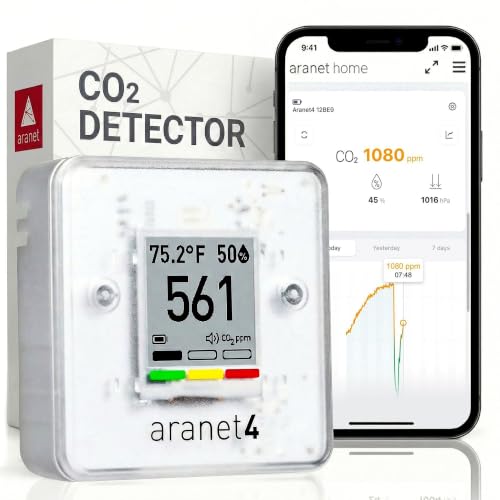
Aranet4 Indoor Air Quality Monitor, Wireless CO2 Detector for Home, Office | 4-year battery life, NDIR sensor. Tracks carbon dioxide, temperature, humidity, and pressure in real time. E-ink screen
Check price on Amazon
Air Quality Monitor Indoor, 10-in-1 Real-time CO2 Portable Air Tester | Air Detection for CO2, HCHO, TVOC, AQI, PM1.0, PM2.5, PM10, Temp, Humidity, Time, for Home, Car, Plants, Hotel & Pets
Check price on Amazon
Govee Indoor Hygrometer Thermometer 3Pack H5075 with Bluetooth App Control | Room Temperature Humidity Meter, 164t Remote Monitor, Smart Alerts, 2 Years Data Storage Export, for Bedroom Wine Cellar
Check price on Amazon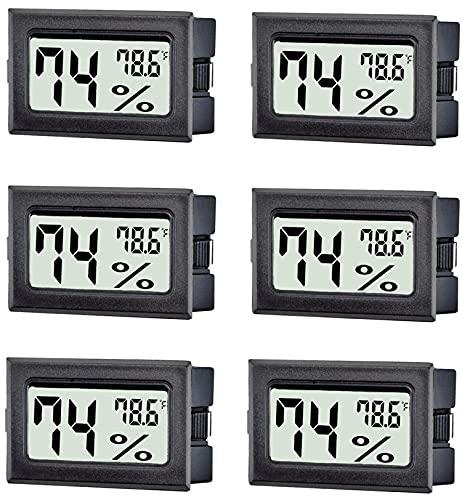
TASOGEN 6 Pack Mini Digital Thermometer Hygrometer,Indoor Temperature and Humidity Gauge Meter Monitor Fahrenheit (℉) for Home,Greenhouse,Jars
Check price on Amazon
6 Pack Mini Small Digital Hygrometer Thermometer Indoor Temperature and Humidity Meter Gauge with Temp Humidity Sensor Monitor Fahrenheit (℉) for Jars,Home,Room
Check price on AmazonFinal Thoughts: Take Control of Your Home's Humidity
Maintaining the ideal humidity level for home comfort is not complicated, but it does require awareness. Start by measuring your indoor RH with a reliable hygrometer, then adjust your ventilation, AC usage, and moisture sources accordingly. For persistent high humidity, a balanced-tier dehumidifier or a high-end whole-home system is a solid choice for the category.
If you are still exploring how your HVAC system fits into the picture, our resources on how can I lower the humidity in my house and how do I fix high humidity in my house provide additional detail. For a broader overview of home climate control, see how do you lower humidity in a room.
Comfort, health, and energy efficiency all improve when humidity is balanced. With the information in this guide, you are well-equipped to make informed decisions for your home.