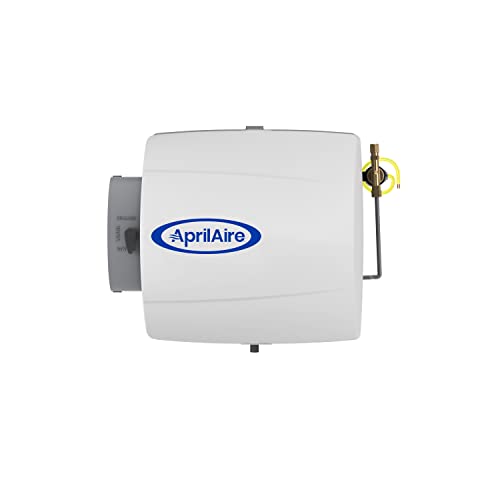
Humidifier for Attic Furnace: The Complete Buyer's Guide
Dry winter air, static shocks, cracked woodwork, and irritated sinuses are common complaints in homes heated by an attic furnace. A properly sized humidifier can solve all of these problems — if you choose and install the right unit.
Explore Humidifier TypesWhat Is a Humidifier for an Attic Furnace?
A humidifier for an attic furnace is a device that adds moisture to the heated air your furnace distributes through the home. It is typically mounted directly on the furnace plenum or supply duct and connected to your water supply. When the furnace runs, air passes through a water-saturated pad or panel, picking up moisture before traveling to the living spaces below.
Because the furnace sits in the attic, these humidifiers must handle unique conditions: extreme cold during winter, limited service access, and the need for a reliable drain path. Units built for attic installation are engineered with freeze-resistant components, insulated housings, and compact footprints that fit tight mechanical closets.
Adding humidity is not just about comfort. Proper humidity levels — usually between 30 and 45 percent — help reduce static electricity, protect wood flooring from cracking, and keep respiratory passages moist. If your home already struggles with excess moisture in summer, you may want to read about how to lower humidity in your house before adding a humidifier for the heating season.
Types of Humidifiers for Attic Furnaces
Bypass Humidifier
The most common type for attic furnaces. A bypass duct routes warm supply air through a water panel and back into the return air stream. It relies on the furnace blower to move air, so it only humidifies while the system is running. Simple, durable, and well-suited to standard attic installations with adequate clearance.
Fan-Powered Humidifier
Instead of a bypass duct, a small fan pulls air through the water panel. This design works well when the attic furnace setup does not allow a bypass duct, and it delivers consistent humidity even when the blower speed is low. Many mid-tier fan-powered models include digital humidistats for automatic control.
Steam Humidifier
Uses electricity to boil water and inject steam directly into the supply air. Steam units humidify independently of furnace operation, which means they keep humidity stable even when the furnace cycles on and off. They are the top-tier choice for large homes or climates with extremely dry winters, but they require a dedicated electrical circuit.
Spray Mist Humidifier
Sprays a fine mist into the supply duct using a nozzle and compressor. Spray mist models offer good output for larger homes and can be controlled with a humidistat. They require a drain and periodic nozzle cleaning to prevent mineral buildup from blocking the spray.
Humidifier Types at a Glance
| Type | Tier | Best For | Furnace Dependency | Maintenance Level |
|---|---|---|---|---|
| Bypass | Essential tier | Standard attic furnaces with space for a bypass duct | Runs only with blower | Low — annual panel replacement |
| Fan-Powered | Balanced tier | Tight attic spaces and low-blower-speed systems | Runs with blower, fan assists | Low to moderate |
| Steam | High-end tier | Large homes and very dry climates | Independent of furnace | Moderate — canister cleaning or replacement |
| Spray Mist | Balanced tier | Medium to large homes with a drain nearby | Runs with blower | Moderate — nozzle and drain care |
How to Size a Humidifier for Your Attic Furnace
Correct sizing prevents two common problems: a unit that cannot keep up with demand, and a unit that adds too much moisture and causes condensation. Sizing is based on three factors: the square footage of your home, the tightness of your building envelope, and the severity of your winter climate.
Step 1: Measure Your Home
Calculate the total conditioned square footage, including basement or upper floors if they are served by the same furnace. Homes with high ceilings or open stairwells need extra capacity because of the larger air volume.
Step 2: Identify Your Climate Zone
Homes in colder regions require more humidification capacity because outdoor air holds very little moisture when temperatures drop. Manufacturers publish sizing charts that map square footage against outdoor design temperature.
Step 3: Match the Unit's Daily Output
Humidifier capacity is expressed in gallons per day. A typical mid-sized home in a cold climate usually needs a unit rated in the mid-teens of gallons per day. Always confirm with the manufacturer's chart for your specific model and home characteristics.
If you are also reviewing your overall HVAC setup, our overview of house humidification explains how humidity interacts with the rest of your system. For homes with multiple furnaces or large floor plans, the guidance on humidifiers for big houses is a useful next read.
Installation Considerations for Attic Furnace Humidifiers
Installing a humidifier on an attic furnace differs from a basement installation in several important ways. Attic spaces are subject to temperature swings, have limited working room, and often lack a convenient floor drain.
Water Supply and Drainage
The unit needs a constant water supply line, typically tapped from a nearby cold-water pipe. It also needs a drain line to carry away overflow and mineral-rich wastewater. In attics without a floor drain, the drain line must be routed to a safe discharge point, often through the soffit or down an exterior wall.
Freeze Protection
Attics can drop below freezing during winter. Bypass and fan-powered humidifiers must be installed so that water in the supply line and drain line does not freeze. Insulating the lines and installing a shutoff valve are standard precautions. Steam humidifiers are less vulnerable because the canister is heated, but the water supply line still needs protection.
Ductwork and Bypass Clearance
Bypass humidifiers require enough space around the furnace to run a bypass duct from the supply plenum to the return plenum. In tight attic layouts, a fan-powered model avoids this requirement entirely.
Understanding how your furnace and air conditioner share ductwork helps you plan the installation. Our guide on house air conditioner condensers explains how outdoor units interact with the same duct system, and the overview of house central air conditioning units covers how central systems distribute conditioned air throughout the home.
Setting and Operating Your Attic Humidifier
Most humidifiers come with a humidistat that lets you set a target relative humidity. The ideal range during the heating season is generally between 30 and 45 percent. However, the correct setting changes with outdoor temperature.
- When outdoor temperatures are mild, you can safely target the upper end of the range.
- As temperatures drop, lower the setting to prevent window condensation and moisture damage.
- Monitor your home's humidity with a hygrometer and adjust seasonally.
If you want to understand how to measure indoor humidity accurately, our article on how to know the humidity in the room explains the tools and methods. For homes that also deal with dampness during summer, the guide on how to fix high humidity in a house offers complementary advice.
Maintenance Tips for Attic Furnace Humidifiers
Regular maintenance keeps your humidifier efficient and prevents mineral buildup from reducing output. A well-maintained unit also stays hygienic, which is important because it introduces moisture directly into your breathing air.
- Replace the water panel annually. Most manufacturers recommend replacing the pad or panel at the start of each heating season.
- Clean the distribution tray. Mineral deposits can clog the tray and cause uneven water flow. Soak it in a descaling solution and scrub gently.
- Check the drain line monthly. A clogged drain can cause water to overflow into the attic, leading to costly damage.
- Inspect the water supply connection. Look for leaks or kinks at the saddle valve or compression fitting.
- Test the humidistat. Verify that the unit turns on and off according to the humidity setting.
- Schedule a professional check-up. An HVAC technician can inspect the unit during your annual furnace service and verify that the humidifier is working correctly.
Because attic furnaces share maintenance schedules with other HVAC components, our guide on how long an AC lasts gives perspective on the overall lifespan of the systems your humidifier is attached to. If your system also cools the home, the article on how an air conditioner works explains the cooling cycle that shares the same ductwork.
Common Problems and Troubleshooting
Even a properly installed humidifier can develop issues over time. Recognizing the symptoms early saves both inconvenience and repair time.
Humidifier Is Not Adding Moisture
Check the water supply valve, inspect the water panel for mineral clogging, and confirm the humidistat is set correctly. If the furnace blower is not running, a bypass or fan-powered unit will not operate.
Water Leaking Around the Unit
A clogged drain line or an improperly seated water panel can cause leaks. Turn off the water supply and inspect the drain and panel seating before restarting the unit.
Excess Condensation on Windows
This usually means the humidity setting is too high for the outdoor temperature. Lower the humidistat setting and allow a day for the home to adjust.
Mineral Buildup on the Panel
Hard water accelerates mineral deposits. If your water supply is mineral-rich, consider a water softener or more frequent panel replacement.
If your furnace system experiences broader airflow or cooling problems, our troubleshooting guide on an AC that turns on but blows no cold air can help you distinguish humidifier issues from larger HVAC problems.
Benefits of Adding a Humidifier to Your Attic Furnace
The advantages of proper indoor humidity go beyond personal comfort. Homeowners who install a humidifier typically notice improvements in several areas:
- Healthier respiratory comfort. Moist air reduces dry nasal passages and throat irritation during winter.
- Fewer static shocks. Static electricity builds up in very dry air, and humidification eliminates the annoyance.
- Protected woodwork and furniture. Wood floors, cabinets, and musical instruments can crack when humidity drops too low.
- More consistent comfort at lower thermostat settings. Moist air feels warmer, so you may be comfortable with the thermostat set slightly lower.
- Reduced dust and airborne particles. Proper humidity helps particles settle out of the air rather than remaining suspended.
If you are considering a humidifier as part of a larger indoor air quality strategy, the article on house ventilation explains how ventilation interacts with humidity control. For homes with whole-house systems, the guide on humidifiers for entire houses provides a broader perspective.
Frequently Asked Questions
Final Thoughts
A humidifier for an attic furnace is a practical upgrade for any home that suffers from dry winter air. The right type depends on your attic layout, your home's size, and your climate. Bypass units are the essential-tier workhorses for standard installations, fan-powered models solve space constraints, and steam humidifiers deliver top-tier performance for large or demanding applications.
Whichever type you choose, plan the installation carefully, set the humidistat according to outdoor temperatures, and keep up with seasonal maintenance. Your home — and your sinuses — will thank you. If you are also evaluating your furnace and air conditioning setup as a whole, our guide on humidifiers for furnaces covers additional scenarios and system pairings.