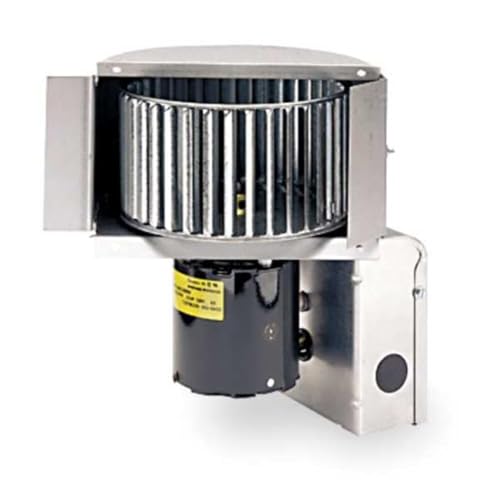
HVAC Booster Fan: A Complete Guide to Better Airflow
Discover how an HVAC booster fan can solve weak airflow in distant rooms, how to choose the right model for your duct system, and practical installation insights before you buy.
START LEARNINGWhy this guide matters: If one room in your home never seems to get enough conditioned air while others stay comfortable, the problem is often airflow—not the air conditioner itself. An HVAC booster fan is a targeted, energy-conscious solution that improves delivery through long or undersized duct runs. This guide explains how these fans work, where to install them, and how to pick the right one for your system.
What Is an HVAC Booster Fan?
An HVAC booster fan—also called a duct booster fan or inline duct fan—is a small fan installed inside a duct run to increase the volume of air reaching a specific room or zone. It works alongside your existing blower, giving conditioned air an extra push through ducts that are long, winding, or undersized. The result is more balanced temperature distribution without forcing your main system to work harder.
Booster fans are commonly used in homes with branch ducts that serve far-away bedrooms, additions, or upper floors. They are also useful in ducted heating and cooling systems where static pressure losses reduce airflow at the farthest vents. For a broader look at how the whole system fits together, see our overview of HVAC and air conditioning fundamentals.
How a Booster Fan Works with Your HVAC System
Your furnace or air handler pushes air through the main trunk and into branch ducts. As air travels, friction against duct walls reduces pressure, so distant vents receive less airflow. A booster fan placed in that branch increases velocity and static pressure downstream, restoring delivery to the room. Many modern models include pressure switches or thermostatic controls that activate the fan only when the main blower runs or when the thermostat calls for conditioning.
Understanding the underlying air movement principles helps you decide whether a booster fan is the right fix. Our guide to the HVAC cooling cycle explains how conditioned air is produced and distributed across your home.
Signs You Might Need a Duct Booster Fan
- One or more rooms stay noticeably warmer in summer or cooler in winter than the rest of the house.
- Airflow from certain vents feels weak even when the blower is running at full speed.
- The affected room is at the end of a long duct run or on an upper floor.
- You have recently added a room or finished a basement without redesigning the duct system.
- Your HVAC technician has confirmed that the system capacity is adequate but delivery is uneven.
If airflow issues are widespread rather than isolated to one zone, the root cause may be duct leakage or poor design. In that case, review our guidance on HVAC air duct sealing and HVAC ductwork before adding a fan.
Types of HVAC Booster Fans
Inline Duct Fans
Inline fans are installed inside a section of round or rectangular duct and are the most common type for residential use. They are available in several duct diameters and airflow ratings, and many are designed to fit standard galvanized ductwork. Models range from essential-tier units with a simple on/off operation to premium units with pressure sensors and variable speed control.
Register Booster Fans
Register boosters sit directly over a floor, wall, or ceiling vent. They are simpler to install than inline models because they require no duct cutting, but they generally provide less airflow improvement. These are a good fit for renters or for rooms where duct access is limited.
Smart and Pressure-Sensing Booster Fans
High-end tier booster fans can detect when the main blower is running and adjust speed automatically. Some connect to smart thermostats or zoning controls for finer regulation. These models are well-specified for the category and suit homeowners who want set-and-forget operation.
| Type | Tier | Best For | Installation Complexity |
|---|---|---|---|
| Register booster fan | Essential tier | Renters and single weak vents with no duct access | Low |
| Basic inline duct fan | Starter tier | One long branch duct serving a single room | Moderate |
| Inline fan with pressure switch | Mid-tier | Automatic operation tied to the main blower | Moderate |
| Variable-speed smart booster | High-end tier | Zoned homes and rooms needing precise airflow control | Professional recommended |
How to Choose the Right HVAC Booster Fan
Selecting a booster fan is about matching airflow capacity to your duct size and the room's conditioning load. Follow these steps to make a confident decision.
1. Confirm the Problem Is Airflow, Not Capacity
Before adding a fan, verify that your air conditioner or furnace is properly sized and functioning. A system that is undersized or low on refrigerant will not be fixed by a booster fan. If your system runs but fails to cool, review HVAC not cooling properly for diagnostic guidance.
2. Measure the Duct Diameter
Inline booster fans are sized to match duct diameter, typically 4, 6, 8, or 10 inches. Measure the branch duct where the fan will be installed and choose a model with the same nominal size. Adapters exist, but matching the duct directly reduces turbulence and preserves efficiency.
3. Match Airflow Rating to the Room
Fan airflow is rated in cubic feet per minute (CFM). As a rule of thumb, a room needs roughly 1 CFM per square foot of floor area for typical residential cooling. Choose a fan that adds enough airflow to bring the weak room up to that target without over-pressurizing the duct run.
4. Decide on Controls
Basic fans run continuously or on a manual switch. Pressure-sensing models activate only when the main blower runs, which saves energy. Smart models integrate with zoning systems and thermostats. Consider how much automation you want before comparing options.
5. Check Noise and Build Quality
Look for fans with balanced blades and vibration-dampening mounts to keep noise low. Durable construction and sealed bearings extend service life. Higher-tier models typically offer quieter operation and smoother speed control than entry-level units.
6. Plan for Electrical Connection
Some fans plug into a standard outlet, while others require hard-wiring to the HVAC control circuit. If you are not comfortable with electrical work, choose a plug-in model or plan for a professional installation. Always confirm local HVAC building codes before modifying ductwork or wiring.
Installation: What to Expect
Inline booster fan installation involves cutting the duct, fitting the fan housing, sealing the connections, and wiring the fan to its power or control source. The fan must be oriented in the direction of airflow, marked by an arrow on the housing. Poor sealing around the fan can leak conditioned air and cancel out the benefit, so use mastic or foil tape rated for HVAC use.
Register boosters are simpler: they sit on the vent and plug in. However, they can restrict airflow when off and are best used on vents with adequate static pressure. For hard-wired or multi-zone installations, hiring a qualified technician is the safest route. Our guide to choosing an HVAC contractor can help you vet local professionals.
Common Installation Mistakes to Avoid
- Installing the fan backward relative to airflow direction.
- Choosing a fan that is too powerful for the duct, causing noise and turbulence.
- Leaving gaps around the fan housing that leak conditioned air.
- Wiring the fan to run continuously when the system is off, wasting energy.
- Skipping a load check and adding a fan when the real issue is undersized equipment.
Booster Fan vs. Other Airflow Solutions
A booster fan is one tool among several for improving comfort. Compare it with alternatives before committing.
| Solution | Best For | Trade-offs |
|---|---|---|
| Inline booster fan | One or two weak branch ducts | Requires duct access and careful sizing |
| Duct sealing | Leaky ducts throughout the home | Does not fix long-run pressure loss by itself |
| Duct redesign or resizing | Systemic airflow imbalance | More invasive and typically requires a professional |
| Zoning system | Multi-zone homes with varied schedules | Higher complexity and coordination with the main system |
| Register booster | Single vent, no duct access | Lower airflow gain and potential restriction when off |
Pros and Cons of HVAC Booster Fans
Advantages
- Targeted fix for one or two weak rooms without replacing the whole system.
- Improves comfort and can reduce the urge to over-condition the entire home.
- Available in a range of tiers, from essential register models to smart inline fans.
- Relatively compact and unobtrusive when installed in accessible ductwork.
- Pressure-sensing models add efficiency by running only when needed.
Limitations
- Not a substitute for a properly sized or functioning HVAC system.
- Can add noise if oversized or poorly mounted.
- Requires duct access for inline installation.
- Poor sealing around the fan can waste the added airflow.
- May not solve whole-house imbalance caused by duct design.
Maintenance Tips for Long-Term Performance
- Inspect the fan blades and housing annually for dust buildup.
- Clean or replace the HVAC filter regularly to maintain upstream airflow.
- Check duct connections around the fan for leaks and reseal as needed.
- Listen for unusual noise that may indicate bearing wear or debris.
- Include the booster fan in your seasonal HVAC maintenance checklist.
If the fan stops working, confirm power and control settings before assuming the motor has failed. Our guide to HVAC blower fan replacement covers related fan diagnostics and replacement considerations.
Frequently Asked Questions
What does an HVAC booster fan do?
An HVAC booster fan is an inline fan installed in a duct run to increase airflow to rooms that receive weak air delivery. It helps push conditioned air further through long or undersized ducts.
Where should a duct booster fan be installed?
Install it in the branch duct leading to the weak room, as close to the main trunk as practical, and always in the direction of airflow indicated by the arrow on the housing.
Will a booster fan increase my energy use?
A booster fan draws a small amount of electricity, but by improving delivery of conditioned air it can reduce the need to over-cool or over-heat the whole house, which may improve overall efficiency in the long run.
Can I install an HVAC booster fan myself?
Some plug-in models are designed for straightforward DIY installation in accessible ductwork. Hard-wired models and any work involving electrical connections or major duct modification should be handled by a qualified professional.
How do I know if a booster fan is the right fix?
If only one or two rooms are uncomfortable while the rest of the house is fine, and a technician confirms the system is properly sized, a booster fan is a reasonable targeted solution. Widespread issues usually point to duct sealing, insulation, or equipment sizing problems.
Does a booster fan work with both heating and cooling?
Yes. A booster fan moves air regardless of whether the air is heated or cooled, so it can help balance temperatures in both seasons. Controls that tie the fan to the main blower ensure it only runs when the system is conditioning air.
Ready to Improve Airflow in Your Home?
Once you understand your duct size, target airflow, and control preferences, you can choose a booster fan with confidence. Browse our recommended models below to compare tiers and features.
VIEW RECOMMENDED MODELS