
HVAC Ductwork Replacement Cost: A Complete Planning Guide
Learn what drives ductwork replacement projects, how to recognize failing ducts, which materials suit your home, and how to prepare before requesting a professional quote.
Why this guide matters: Your ductwork is the delivery network for conditioned air. When it leaks, collapses, or is poorly sized, even a top-tier HVAC system underperforms. This guide helps you understand the scope of a ductwork replacement, the factors that shape project complexity, and the decisions that protect your long-term comfort.
Signs Your Ductwork May Need Replacement
Before planning any project, confirm that replacement is the right move. Many performance issues trace back to leaky or disconnected duct joints that can be sealed rather than replaced. However, the following signals usually indicate that sealing is no longer sufficient and a full or partial replacement deserves serious consideration.
Uneven Room Temperatures
Some rooms stay warm in summer while others feel icy. Persistent imbalance often points to crushed, disconnected, or undersized duct runs.
Rising Energy Consumption
If your system runs longer without delivering the same comfort, escaping conditioned air is a common culprit. Check the energy efficiency impact of duct leaks.
Visible Rust or Crushed Sections
Flexible duct that is kinked, torn, or collapsed restricts airflow. Rigid metal duct showing heavy rust or separation is a strong replacement indicator.
Excessive Dust and Debris
Old ducts with deteriorated liners or gaps can pull dust from unconditioned spaces into your living areas. Review professional duct inspection options.
Noise and Whistling
Whistling registers, banging, or rattling often signal duct sizing problems or loose internal components that worsen over time.
Age and Material Degradation
Duct systems that have served decades may have failing insulation or internal lining. Modern sealed systems deliver better performance.
What Drives the Scope of a Ductwork Replacement
Every home is different. The final scope of your project depends on several interconnected factors. Understanding these helps you ask better questions when you request a professional quote and compare options from local HVAC contractors.
- Home Size and Layout Larger or multi-story homes require longer duct runs, more branch lines, and careful zoning.
- Accessibility of Duct Runs Ducts in accessible attics or basements are easier to replace than those buried in walls or ceilings.
- Duct Material Selection Flexible duct, rigid galvanized steel, and fiberglass-lined board each carry different labor and installation demands.
- System Zoning Requirements Adding zoning dampers or splitting a single zone into multiple zones increases design and installation complexity.
- Code Compliance and Permits Local HVAC building codes may require specific insulation ratings, sealing standards, and inspections.
- Asbestos or Hazardous Material Handling Older homes may require abatement before replacement can proceed, adding a specialized step to the timeline.
Ductwork Material Options Compared
Material choice shapes durability, airflow performance, and installation complexity. The table below compares common options using neutral tier descriptors rather than any monetary figures.
| Material | Market Tier | Best For | Durability | Notes |
|---|---|---|---|---|
| Flexible Duct | Entry-Level | Retrofits and tight spaces | Moderate | Easy to route, but prone to kinks and higher pressure loss when poorly installed. |
| Galvanized Steel (Rigid) | Mid-Range | Long straight runs and main trunks | High | Excellent airflow, durable construction, and a strong long-term investment for primary ductwork. |
| Fiberglass Duct Board | Mid-Range | Insulated trunk lines | Good | Built-in thermal insulation; requires careful sealing to prevent moisture issues. |
| Fiberglass Flexible (Insulated) | Entry-Level | Branch runs and short spans | Moderate | Common in residential retrofits; performance depends heavily on installation quality. |
| Sheet Metal with External Insulation | Premium | High-performance and custom builds | Very High | Professional-grade solution offering strong sealing potential and excellent long-term reliability. |
| Pre-Insulated Panel Duct | Premium | Commercial-grade and specialty applications | Very High | Engineered for efficient thermal performance and clean installation in demanding spaces. |
How a Typical Ductwork Replacement Project Unfolds
A well-managed replacement follows a predictable sequence. Knowing the steps helps you coordinate access, ask informed questions, and set realistic expectations with your chosen HVAC professionals.
Assessment and Design
A technician evaluates the existing system, measures airflow, and designs a replacement layout using load calculations.
Permits and Scheduling
Required permits are obtained, and the project is scheduled around household access and weather conditions.
Removal of Old Ductwork
Existing ducts are carefully removed, and hazardous materials are handled per local regulations if present.
Installation and Sealing
New ducts are installed, connected, and sealed with mastic or approved tape to minimize leakage at joints.
Testing and Balancing
Airflow is tested across registers, and dampers are adjusted so each room receives its intended share of conditioned air.
Final Inspection
A final walkthrough confirms code compliance, proper insulation, and correct operation before the project closes.
Efficiency, Sealing, and Long-Term Value
Replacement is an opportunity to improve the entire air distribution system, not just restore what was there. Pairing new ductwork with professional duct sealing and duct and vent cleaning helps protect the investment. Homeowners frequently bundle duct upgrades with other efficiency measures, such as reviewing the HVAC maintenance guide or planning inspection service visits.
Well-designed ductwork also supports energy efficiency goals for the entire home. When ducts are correctly sized, insulated, and sealed, the HVAC equipment can operate closer to its rated performance, and the home experiences fewer hot and cold spots throughout the year.
How to Prepare Before Requesting Quotes
A little preparation improves the quality of the proposals you receive. Gather the following before reaching out to local HVAC companies:
- Document Current Issues Note which rooms are uncomfortable, when the problem appears, and any recent changes to the system.
- Collect Service Records Previous maintenance records help technicians understand the system's history and equipment age.
- Identify Access Points Clarify where ductwork runs through attics, crawlspaces, or basements so quotes reflect real access conditions.
- Confirm Contractor Credentials Verify licensing and insurance using resources like the HVAC license and insurance overview.
- Ask About Testing Request that proposals include airflow testing or pressure diagnostics after installation.
Frequently Asked Questions
How long does a typical ductwork replacement take?
Can I replace only part of my ductwork?
Will new ductwork improve indoor air quality?
Do I need a permit for ductwork replacement?
How do I verify a contractor is qualified?
What is the difference between duct sealing and duct replacement?
Ready to Explore Your Ductwork Options?
Use the resources below to deepen your understanding before contacting local professionals. Informed homeowners ask better questions and make more confident decisions.
Recommended HVAC Ductwork & Sealing Products
⚠️ AFFILIATE DISCLOSURE: This website contains affiliate links. As an Amazon Associate, we earn from qualifying purchases. If you make a purchase through these links, we may receive a small commission at no additional cost to you. Read our full affiliate policy.

16x20x4 AC Furnace Air Filter Replacement - FC100A1003 HVAC Furnace Filters Merv 11 Filter Media, AC Filter with Homequip Disposal Bag, 2-Pack (Actual Size: 15.94 x 19.75 x 4.38 Inches)
Check price on Amazon
Filtrete 20x25x1 Air Filter, MERV 8, MPR 700, 4 HVAC Filters | Dust, Pollen, & Pet Dander, 3-Month AC/Furnace Filters, Cleaner Air, Reliable Airflow, (Act. Size 19.88x25.56x0.81 in)
Check price on Amazon
Hicarer 4 Pcs 4 Inch 90 Degree Galvanized Dryer Elbow Vent Tube Connector | Adjustable Dryer Vent Elbow Connector for 4" HVAC Duct Pipe, Hose, and Ductwork
Check price on Amazon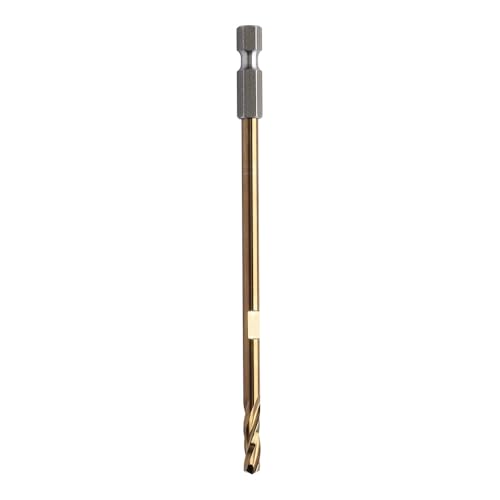
Malco CB Replacement Cutter Bit for HC1 / HC2 Hole Cutters – Durable Metal Cutting Replacement Bit for Sheet Metal & HVAC Hole Cutting Tools
Check price on Amazon
Filtrete 19.5x29.5x1 in. Air Filter, MERV 8, MPR 700, 4 HVAC Filters | Dust, Pollen, & Pet Dander, 3-Month AC/Furnace Filters, Cleaner Air, Reliable Airflow
Check price on Amazon
4 Inch 90 Degree Galvanized Dryer Elbow Vent Tube Connector Dryer Vent Elbow Connector Dryer for 4" HVAC Duct Ducting Pipe Hose Ductwork (2 Pcs)
Check price on Amazon
The Real Cost of Cheap AC Quotes: Why Low Prices Often Lead to Comfort Problems and Repairs (Practical HVAC Guides for Homeowners)
Check price on AmazonDisclaimer
Some of the content on this site uses AI assistance. Information is provided for educational purposes only. We are not responsible for any losses resulting from the use of this information. By using this site, you waive any right to bring legal claims against us arising from your use of the information provided. If you do not agree, please do not use this site. Read the full disclaimer.