HVAC Inspection Service: The Complete Guide to a Healthier Home
Understand what a professional HVAC inspection covers, why it's a smart investment, and how to use the findings to improve comfort, efficiency, and indoor air quality. This guide is built for homeowners who want clarity before scheduling a service.
Explore the Inspection ChecklistAC Units Guide Philosophy: An HVAC inspection is not just a maintenance task—it's a diagnostic tool that helps you understand the health of your entire system. Well-informed homeowners make better decisions about repairs, upgrades, and long-term maintenance. Learn first, then act.
What Is an HVAC Inspection Service?
An HVAC inspection service is a comprehensive, professional evaluation of your heating, ventilation, and air conditioning system. Unlike a simple tune-up, an inspection focuses on identifying current performance issues, potential safety hazards, and signs of wear that could lead to future breakdowns. A qualified HVAC technician examines both the mechanical components and the distribution system—including ductwork, refrigerant lines, electrical connections, and condensate management—to provide a complete picture of your system's condition.
Inspections are often performed before a home purchase, after a major repair, or as part of a seasonal maintenance plan. The goal is to move from reactive repairs to proactive system management. For homeowners, the output is typically a detailed report with prioritized recommendations, ranging from simple filter replacements to more involved repairs or component upgrades.
Why an HVAC Inspection Service Matters
A well-maintained HVAC system is central to home comfort, energy efficiency, and healthy indoor air. An inspection helps you avoid the most common pitfalls that lead to discomfort and premature equipment failure. Here are the core benefits:
Early Problem Detection
Catches small issues—like refrigerant leaks or loose electrical connections—before they escalate into system failures or safety concerns.
Efficiency Optimization
Identifies airflow restrictions, dirty coils, or thermostat calibration issues that quietly drive up energy consumption.
Indoor Air Quality
Evaluates filtration, duct cleanliness, and moisture control—key factors for reducing allergens and maintaining a healthy home environment.
Safety Assurance
Checks for carbon monoxide risks, gas leaks, and electrical hazards, giving you peace of mind about your system's safe operation.
Informed Decision-Making
Provides a clear, prioritized report so you can plan repairs and upgrades based on actual system condition, not guesswork.
Long-Term Investment
Helps extend the lifespan of your equipment, protecting a significant home investment and delaying the need for full replacement.
What a Professional HVAC Inspection Covers
A thorough inspection is more than a quick filter change. It's a systematic review of the entire system. While the exact scope can vary by provider, a professional-grade inspection typically includes the following areas. Use this as a reference when discussing service with an HVAC inspector.
🔧 Cooling System
- Refrigerant charge verification
- Compressor and condenser operation
- Evaporator coil condition
- Condensate drain and pump function
- Thermostat calibration and response
🔥 Heating System
- Furnace or heat pump operation
- Heat exchanger inspection for cracks
- Burner and ignition system check
- Flue and venting integrity
- Carbon monoxide safety test
💨 Air Distribution
- Ductwork inspection for leaks
- Airflow measurement at registers
- Filter condition and type
- Blower motor performance
- Zoning system operation (if applicable)
⚡ Electrical & Controls
- Electrical connections and voltage
- Capacitor and contactor condition
- Control board diagnostics
- Safety switch operation
- Thermostat wiring integrity
🌡️ Air Quality & Moisture
- Humidity levels and dehumidification
- Drain pan condition
- Duct moisture or mold indicators
- Ventilation adequacy
- Filtration effectiveness
📊 Overall System Health
- Equipment age and expected lifespan
- Energy efficiency indicators
- Noise and vibration analysis
- Refrigerant type and compliance
- Maintenance history review
Common Types of HVAC Inspections
Not all inspections serve the same purpose. The scope and depth can vary depending on your situation. Here's a breakdown of the most common service tiers:
| Inspection Tier | Best For | Typical Scope |
|---|---|---|
| Essential Tier | Routine seasonal check-ups | Filter check, thermostat calibration, visual inspection of key components, basic safety checks. |
| Balanced Tier | Annual maintenance plans | Everything in essential tier plus refrigerant charge verification, coil cleaning, electrical connection tightening, and airflow measurement. |
| Premium Tier | Home purchases, post-repair verification, or systems with performance concerns | Comprehensive diagnostic with detailed report, duct leakage testing, heat exchanger inspection, combustion analysis, and prioritized repair recommendations. |
| Professional-Grade / Commercial | Commercial buildings, multi-zone systems, or large residential properties | Full system audit including controls diagnostics, zoning verification, energy usage analysis, and code compliance review. |
When choosing a service, consider your system's age, any recent performance changes, and your long-term maintenance goals. A maintenance plan often bundles regular inspections at a balanced or premium tier, which can be a convenient way to stay proactive.
How to Prepare for an HVAC Inspection
A little preparation helps the inspector work efficiently and ensures you get the most accurate assessment. Before the visit:
📝 Gather Information
- Locate your system's model and serial numbers
- Have your maintenance history available
- Note any recent issues or unusual noises
🏠 Clear Access
- Clear the area around indoor and outdoor units
- Ensure the attic or crawlspace is accessible
- Remove obstructions from vents and registers
🔧 Basic Check
- Replace the air filter if it's visibly dirty
- Test your thermostat before the visit
- Check that the condensate drain isn't clogged
During the inspection, don't hesitate to ask questions. A good HVAC professional will walk you through their findings and explain the implications of any issues they identify. This is your opportunity to learn about your system and make informed decisions about next steps.
How to Choose the Right HVAC Inspector
The quality of an inspection depends heavily on the expertise and thoroughness of the professional performing it. Here are key factors to consider:
✅ Credentials & Licensing
- Verify state or local licensing
- Check for NATE certification or equivalent
- Confirm insurance coverage
📋 Scope & Reporting
- Ask for a sample inspection report
- Confirm the inspection includes both heating and cooling
- Ensure findings are documented with photos
🗣️ Communication
- Choose a professional who explains findings clearly
- Look for a provider who offers prioritized recommendations
- Ask about follow-up support and maintenance options
It's also wise to compare HVAC estimates from multiple providers. A transparent inspector will provide a clear scope of work and a report that you can use to make decisions independently. Avoid providers who pressure you into immediate repairs without a written explanation.
Inspection vs. Maintenance: What's the Difference?
While often used interchangeably, inspection and maintenance are distinct activities. Maintenance involves cleaning, adjusting, and replacing components to keep the system running smoothly—such as cleaning coils, changing filters, and lubricating moving parts. Inspection, on the other hand, is a diagnostic assessment: it evaluates the current condition, identifies problems, and recommends actions.
In practice, the best service visits combine both. A comprehensive maintenance guide often includes inspection as a core step. If you're on a maintenance plan, your provider likely performs an inspection during each visit and handles routine maintenance tasks at the same time. This integrated approach is efficient and helps ensure nothing is overlooked.
What to Do With Your Inspection Report
After the inspection, you'll receive a report detailing the condition of your system. Here's how to use it effectively:
1. Review Priorities
- Separate urgent safety issues from routine recommendations
- Identify items that affect efficiency versus those that are cosmetic
- Note any items that require monitoring rather than immediate action
2. Plan Your Response
- Address safety-related findings immediately
- Schedule efficiency improvements during the next service visit
- Consider a maintenance plan to spread out upkeep
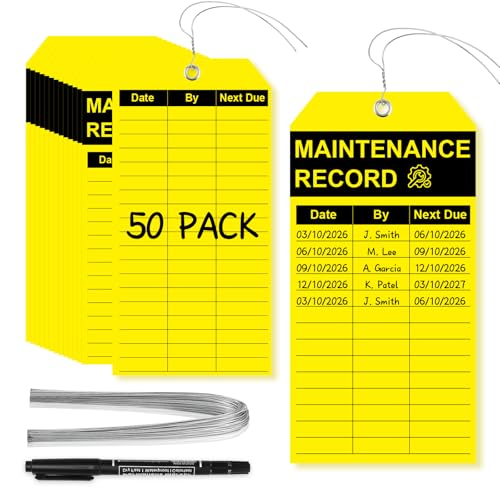
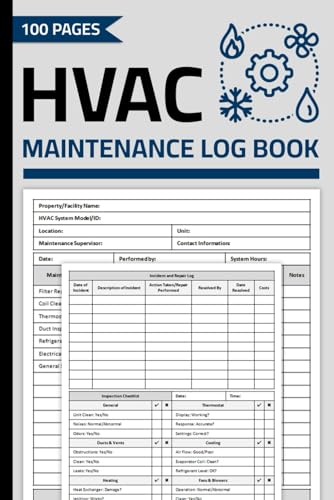
3. Keep Records
- Store the report with your home maintenance records
- Use it as a baseline for future inspections
- Share it with any future service providers
If the report suggests significant repairs or a system replacement, use the information to gather additional estimates and compare options. A good inspector will be happy to clarify their findings and help you understand the trade-offs between repair and replacement.
Ready to Take Control of Your HVAC System?
An inspection is the first step toward a more comfortable, efficient, and healthy home. Use the knowledge from this guide to ask the right questions and choose a qualified professional.
Explore Recommended Inspection Tools & ResourcesFrequently Asked Questions
If you're considering a system upgrade or want to understand the broader landscape of HVAC options, explore our HVAC system buying guide for a deeper look at system types and selection criteria.