HVAC Recovery Machine: The Complete Buyer and Operator Guide
Everything technicians and serious DIYers need to know about refrigerant recovery machines — how they work, which types exist, how to size one, and the features that matter before you choose your next recovery unit.
Explore Recovery MachinesWhy this guide matters: A refrigerant recovery machine is one of the most important tools in any HVAC service kit. Choosing the right unit affects how quickly you can recover refrigerant, how safely you can handle different refrigerants, and how well your equipment holds up over years of field use. This guide walks you through every decision point.
What Is an HVAC Recovery Machine?
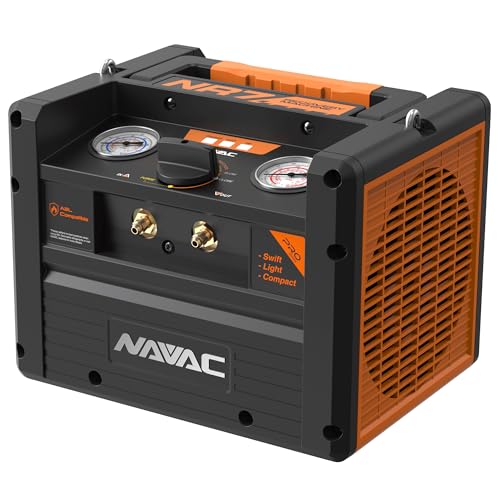
An HVAC recovery machine is a portable compressor-based device designed to remove refrigerant from an air conditioning, heat pump, or refrigeration system and transfer it into a recovery cylinder. Instead of venting refrigerant into the atmosphere — which is prohibited under EPA regulations — the recovery machine captures the refrigerant so it can be recycled, reclaimed, or properly disposed of.
Recovery machines are essential whenever a system is opened for repair, when a unit is being decommissioned, or when refrigerant needs to be transferred between cylinders. They are a core part of any professional technician's toolkit, alongside manifold gauges, vacuum pumps, and leak detectors. If you are building out your service equipment, understanding how recovery fits into the broader refrigerant handling process is worth the time — it connects directly to concepts covered in the HVAC cooling cycle and evacuation pump guides.
How a Refrigerant Recovery Machine Works
At its core, a recovery machine uses a compressor to pull refrigerant vapor or liquid from a system and push it into a recovery cylinder. The process involves several stages:
- Connection: The machine is connected to the system's service ports through manifold gauges and hoses, and to a recovery cylinder on the discharge side.
- Intake: The compressor draws refrigerant from the system. Vapor recovery pulls gas; liquid recovery pushes liquid directly through a dedicated path.
- Compression and discharge: The refrigerant is compressed and discharged into the recovery cylinder. A high-pressure cutoff switch protects the machine and cylinder from over-pressurization.
- Separation: Oil-less machines use an internal oil separator to keep compressor oil out of the recovered refrigerant. Oil-lubricated machines require periodic oil changes.
- Completion: Recovery continues until the system reaches the target vacuum level specified by EPA requirements for the appliance category.
The efficiency of this cycle depends heavily on the compressor design and the machine's recovery rate — both covered in the sizing section below.
Types of HVAC Recovery Machines
Recovery machines fall into a few broad categories. Understanding the differences helps you match the tool to your service work rather than over- or under-specifying.
Vapor Recovery Machines
The most common type for general service work. They pull gaseous refrigerant from the system and are essential for fully evacuating a circuit before opening it. Slower than liquid transfer but required for final recovery stages.
Liquid Recovery Machines
Designed to transfer liquid refrigerant directly, which is much faster when a system holds a large charge. Many modern units combine liquid and vapor modes, with dedicated ports for each.
Push-Pull Machines
Use system pressure and a pump to move large liquid charges quickly. Ideal for commercial systems and chillers with high refrigerant volume, but require careful setup and the right cylinder configuration.
Oil-Less Compressor Units
No compressor oil to change, lower maintenance, and no risk of oil contamination in recovered refrigerant. These are the preferred choice for technicians who value low upkeep.
Oil-Lubricated Units
Often deliver strong recovery rates and long service life, but require regular oil changes and careful oil management to avoid contaminating recovered refrigerant.
Multi-Refrigerant Machines
Rated for a wide range of refrigerants including R-410A, R-32, R-134a, and newer blends. The most flexible option for technicians who work across residential and light commercial systems.
Key Features to Evaluate Before Buying
Specifications on a datasheet only tell part of the story. The following features have the biggest practical impact on day-to-day usability.
Recovery rate and compressor design
Recovery rate is typically expressed in pounds per minute under specific conditions. A higher rate shortens job time, but the compressor design matters just as much — oil-less compressors tend to offer consistent performance without oil maintenance, while oil-lubricated units often shine in heavy-duty continuous use. Mid-range units generally balance rate and durability well, while top-tier and professional-grade machines push both metrics higher.
High-pressure cutoff and safety controls
Every reputable recovery machine includes an automatic high-pressure shutoff. Look for clearly marked cutoff points, a manual reset, and overload protection. These features protect both the machine and the recovery cylinder, and they are non-negotiable for safe operation.
Port configuration and hose compatibility
Check that the intake and discharge ports match your existing manifold gauge hoses and recovery cylinder valves. Standard 1/4-inch flare fittings are common, but some machines use larger ports for faster flow. Compatibility with your linesets and gauge setup saves adapters and reduces leak points.
Purge function
A purge feature clears residual refrigerant from the machine's internal components between jobs, reducing cross-contamination when switching refrigerants. For technicians working with multiple refrigerant types, this is a valuable feature that protects both the equipment and the recovered refrigerant.
Portability and build quality
Recovery machines get carried up ladders, into crawlspaces, and across rooftops. Look for reinforced housings, protected gauges, and a balanced carry handle. Heavy-duty units with solid build quality are a long-term investment that pays off in fewer repairs and replacements.
Refrigerant compatibility
Confirm the machine is rated for the refrigerants you encounter. Modern systems increasingly use R-32 and R-454B, so a machine rated for these newer refrigerants future-proofs your toolkit. This ties into broader shifts covered in HVAC energy efficiency standards and refrigerant transitions.
Recovery Machine Tiers at a Glance
Instead of thinking in absolute terms, it helps to compare machines by their position in the market. The table below summarizes the three broad tiers you will encounter.
| Tier | Best For | Typical Characteristics |
|---|---|---|
| Entry-level / Essential tier | Occasional service work, light residential jobs, technicians building a starter kit | Basic vapor recovery, compact housing, simpler controls, adequate recovery rate for small systems |
| Mid-range / Balanced tier | Full-time residential and light commercial technicians | Combined liquid and vapor modes, faster recovery rate, oil-less compressor options, purge function on many models |
| Premium / Professional-grade | Commercial service, high-volume recovery, multi-refrigerant workflows | High recovery rate, robust build quality, advanced safety controls, broad refrigerant compatibility, push-pull capability |
When comparing across tiers, remember that a mid-range model usually offers a noticeably smoother and faster recovery cycle than an entry-level unit, while a professional-grade machine adds durability and multi-refrigerant flexibility that matters most under heavy use.
How to Size a Recovery Machine for Your Work
Sizing a recovery machine is less about matching a number and more about matching your workflow. Consider these factors:
- System charge size: Residential split systems typically hold smaller charges, while commercial units and chillers may hold hundreds of pounds of refrigerant. Larger charges benefit from higher recovery rates and push-pull capability.
- Refrigerant type: Some machines are optimized for specific refrigerant families. Multi-refrigerant machines cover the widest range.
- Job frequency: Occasional use tolerates an entry-level unit; daily commercial work justifies a professional-grade machine.
- Recovery cylinder capacity: The machine must be paired with a cylinder large enough to hold the recovered charge with the required 80% fill limit. A recovery machine and cylinder are a matched pair — never recover into an undersized or unrated cylinder.
- Portability needs: If you service rooftops and crawlspaces, weight and handle design matter as much as recovery rate.
Safe Operation: Step-by-Step Overview
Recovery work involves pressurized refrigerant and electrical components, so safety discipline matters. The following sequence reflects standard field practice:
- Inspect hoses, seals, and the recovery cylinder before starting. Confirm the cylinder is rated for the refrigerant and is not overfilled.
- Connect the machine to the system through manifold gauges, and connect the discharge line to the recovery cylinder.
- Open valves in the correct sequence — liquid recovery first where applicable, then vapor recovery to finish.
- Monitor pressures and the high-pressure cutoff throughout the process. Never bypass safety controls.
- Recover until the system reaches the required vacuum level for the appliance category.
- Purge the machine, close valves, and label the recovery cylinder with the refrigerant type and date.
For a broader look at how recovery fits into system service, the HVAC maintenance guide and inspection checklist provide useful context. Recovery is also closely related to evacuation procedures that follow repair work.
Quick Takeaways Before You Choose
- Match machine capability to the refrigerant types and charge sizes you actually encounter.
- Oil-less compressors reduce maintenance; oil-lubricated units often deliver strong continuous performance.
- High-pressure cutoff and purge functions are practical safety and contamination controls, not extras.
- Pair every recovery machine with a properly rated and sized recovery cylinder.
- Professional-grade machines are a long-term investment for high-volume commercial work.
Maintenance Tips for Long Machine Life
Recovery machines are durable when maintained. A few habits extend service life significantly:
- Change compressor oil on schedule for oil-lubricated units, and dispose of it properly.
- Keep the condenser coil and fan clear of dust and debris — airflow directly affects recovery performance.
- Inspect hoses and seals regularly for cracks and wear; replace them before they fail mid-job.
- Store the machine in a dry location and protect gauges during transport.
- Run the purge cycle after each job to prevent residual refrigerant from sitting in the machine.
These habits connect to the same preventive mindset described in the HVAC cleaning and maintenance services resources.
Frequently Asked Questions
What is an HVAC recovery machine used for?
An HVAC recovery machine removes refrigerant from an air conditioning or refrigeration system and transfers it into a recovery cylinder. It allows technicians to service, repair, or decommission equipment without venting refrigerant into the atmosphere, which is required by EPA regulations.
What is the difference between liquid recovery and vapor recovery?
Liquid recovery uses pressure differences to push liquid refrigerant directly into the recovery cylinder, which is fast but requires a machine rated for liquid transfer. Vapor recovery pulls gaseous refrigerant from the system and is slower, but it is essential for fully evacuating a system and is the standard for final recovery.
How do I choose the right HVAC recovery machine?
Consider the type of refrigerant, whether you need liquid, vapor, or push-pull capability, the machine's recovery rate, oil-less versus oil-lubricated compressor design, portability, and whether you need a purge function. Match the machine to the system size and the frequency of your service work.
Do I need a recovery machine to service my own AC?
Yes. Recovering refrigerant safely and legally requires dedicated recovery equipment. Venting refrigerant is prohibited under EPA regulations, and improper handling can cause injury or equipment damage. Recovery machines are essential tools for any refrigerant circuit work.
Where Recovery Machines Fit in a Complete HVAC Toolkit
Recovery machines rarely work alone. They are part of a connected workflow that includes manifold gauges, vacuum pumps, leak detectors, and recovery cylinders. Understanding adjacent tools helps you build a coherent kit — the HVAC buying guide covers how to prioritize equipment purchases, and the HVAC equipment overview explains how major components fit together. For technicians comparing different service workflows, the HVAC professionals resource offers additional perspective.
Whether you are setting up a service van for the first time or upgrading an aging recovery unit, the key is matching the machine to real work. A well-chosen recovery machine will serve reliably for years and keep every refrigerant job compliant and efficient.