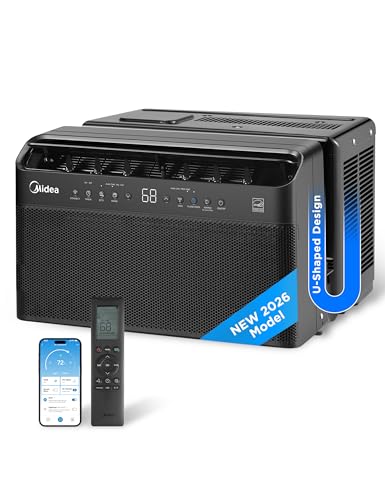
Inverter Technology Air Conditioner: The Complete Guide
Understand how variable-speed cooling works, compare inverter and non-inverter systems, and learn how to choose a model that keeps your home comfortable while running efficiently for years.
Start LearningWhat Inverter Technology Actually Means
An inverter technology air conditioner is built around a compressor that can change speed continuously rather than switching fully on and off. In a conventional non-inverter system, the compressor runs at a single fixed speed and stops once the room reaches the set temperature, then restarts when the room warms again. That cycle creates small temperature swings and repeated high-draw startups.
An inverter system converts incoming alternating current into direct current, then modulates it back to the compressor at the exact frequency needed. The result is a compressor that slows down to hold a stable temperature instead of stopping entirely. This continuous modulation is the foundation of every modern inverter AC design.
It is helpful to separate two ideas that are often confused. Inverter technology describes the compressor and control electronics. Variable speed describes how the compressor responds to load. Nearly all inverter units are variable-speed, but the term inverter specifically refers to the power conversion stage that makes variable-speed operation possible.
Key takeaway: The inverter is not a single component but a system of electronics, sensors, and a variable-speed compressor working together to match cooling output to real demand.
How an Inverter Compressor Works
When you switch on an inverter air conditioner, the compressor starts gradually and ramps up to a higher speed to pull the room temperature down quickly. Once the target temperature is near, the compressor reduces its speed and settles into a low, steady output that balances heat gain from walls, windows, occupants, and appliances.
The Four-Stage Cycle
- Rectification: AC power is converted to DC, giving the control board precise command over compressor speed.
- Modulation: The board converts DC back to AC at a chosen frequency, driving the compressor at the speed needed for current conditions.
- Sensing: Temperature sensors and pressure readings feed continuous data to the controller, which fine-tunes output several times per second.
- Stabilization: Once the setpoint is reached, the compressor holds a low speed instead of shutting down, avoiding the restart surge of fixed-speed systems.
This behavior is why inverter units are often described as running "longer but softer." The compressor may operate for most of the cooling session, but at a fraction of full capacity, which reduces the number of high-draw startup events. If you are comparing system architectures, the inverter air conditioning units overview explains how these components are packaged across different form factors.
Key Benefits for Homeowners
The practical advantages of inverter cooling show up in comfort, noise, and long-term operating efficiency. The largest gains appear in rooms that are cooled for many hours at a time, such as bedrooms, living rooms, and home offices.
Temperature Stability
Because the compressor modulates instead of cycling, room temperature stays within a narrow band. Occupants notice fewer warm and cold swings, which is especially valuable at night when small changes disturb sleep.
Quieter Operation
At partial load, the compressor and fans run at lower speeds. The result is noticeably quieter operation during the steady-state portion of a cooling session. This matters in bedrooms and shared living spaces.
Better Part-Load Efficiency
Most homes do not need full cooling capacity for most of the day. Inverter systems are designed to be efficient precisely at these part-load conditions, where fixed-speed units are least efficient. This is the core reason inverter technology is associated with energy savings over a full season.
Reduced Startup Stress
Fixed-speed compressors draw a large current spike on every restart. Inverter compressors avoid repeated restarts by holding a low speed, which reduces mechanical and electrical stress on the compressor over its service life.
Realistic expectation: Savings depend on climate, insulation, sizing, and usage hours. Inverter technology is most beneficial when the system runs for extended periods, not for short bursts.
Inverter vs Non-Inverter Comparison
Both designs cool a room effectively. The difference lies in how they manage compressor speed and how that affects comfort, noise, and long-term efficiency. The table below summarizes the practical differences without any reference to monetary figures.
| Feature | Inverter AC | Non-Inverter AC |
|---|---|---|
| Compressor behavior | Variable speed, continuous modulation | Fixed speed, on/off cycling |
| Temperature stability | High, narrow temperature band | Moderate, noticeable swings |
| Noise at steady state | Lower due to reduced compressor speed | Higher during full-speed operation |
| Part-load efficiency | Strong, designed for partial load | Weaker, best only at full load |
| Startup current | Soft start, gradual ramp | High inrush on each restart |
| Control electronics | More complex inverter board | Simpler, fewer electronics |
| Best for | Rooms cooled for many hours daily | Short, occasional cooling sessions |
For a deeper side-by-side breakdown, the inverter vs non-inverter article covers seasonal efficiency, humidity control, and component longevity in detail.
Market Tiers and What Each Offers
Inverter air conditioners are sold across several distinct market tiers. The tier reflects build quality, control sophistication, and feature depth rather than a single specification. Understanding tiers helps you align a purchase with how you actually use the room.
| Tier | Typical Characteristics | Best For |
|---|---|---|
| Essential tier | Basic inverter board, single-zone control, standard filter, simple remote | Occasional cooling in secondary rooms |
| Balanced tier | Refined modulation, quieter fans, improved filtration, programmable timer | Daily use in bedrooms and living rooms |
| Premium tier | Wide modulation range, smart controls, dual filtration, low-noise operation | Extended daily use and primary living spaces |
| Flagship tier | Top-tier modulation, advanced sensors, premium materials, multi-zone integration | Whole-home comfort and demanding climate zones |
Higher tiers generally offer a wider modulation range, meaning the compressor can drop to a lower minimum output and hold temperature more precisely. Balanced-tier and premium-tier models are usually the sweet spot for households that run cooling for several hours each day. Entry-level inverter models still deliver the core benefit of steady temperature, but with fewer refinements.
Sizing an Inverter Unit Correctly
Inverter technology does not remove the need for correct sizing. An oversized inverter unit will reach its setpoint quickly and then modulate at a very low output, which can reduce dehumidification and cause the system to cycle in ways it was not designed for. An undersized unit will run near full capacity for long periods, erasing much of the efficiency advantage.
Proper sizing starts with a room-by-room heat load estimate rather than a simple square-foot rule of thumb. The Manual J load calculation accounts for window area, insulation, ceiling height, occupancy, and local climate. For a whole-home system, the Manual J overview explains how contractors translate the load into equipment capacity.
Practical Sizing Checklist
- Measure the room's square footage and ceiling height.
- Count windows and note their orientation and shading.
- Identify heat sources such as appliances, electronics, and occupants.
- Note insulation quality and any air leakage around doors and windows.
- Confirm the electrical circuit can support the selected unit.
For ductless systems, correct placement of the indoor head is as important as capacity. The mini-split installation guide covers line-set routing, mounting height, and condensate management that affect real-world performance.
Selection Checklist Before Buying
Once sizing is settled, evaluate the following characteristics to narrow your options. These factors matter more than marketing labels and apply across every tier.
Form Factor
Inverter technology appears in window units, portable units, through-the-wall units, and ductless mini-splits. Each form factor has different installation requirements and efficiency ceilings. If you need a window-mounted solution, the inverter window air conditioners guide explains how inverter boards are packaged in compact chassis. Renters who need a movable option can review inverter compressor portable air conditioner models, which pair variable-speed cooling with portability.
Modulation Range
A wider range between minimum and maximum output means the system can hold temperature more precisely in mild conditions. Premium and flagship units typically publish a lower minimum capacity, which is beneficial for bedrooms and well-insulated spaces.
Heating Capability
Many inverter systems are heat pumps, reversing the refrigerant cycle to provide heating. If you want year-round comfort from one unit, look at inverter heater and air conditioner combinations. For through-the-wall applications, inverter through-the-wall air conditioner models offer the same benefit in a sleeve-mounted format.
Controls and Sensors
Smart thermostats, occupancy sensors, and app control are more common in premium tiers. These features help the inverter make better decisions about when to modulate, but they are conveniences rather than necessities.
Noise Ratings
Check the published sound pressure level at low fan speed, not just the maximum. Inverter units are quietest at partial load, which is where they operate most of the time.
Maintenance That Protects Your Investment
An inverter air conditioner is a long-term investment in comfort. Protecting that investment requires the same fundamentals as any cooling system, with a few extra considerations for the electronics and variable-speed compressor.
Routine Tasks
- Clean or replace filters every four to six weeks during heavy use.
- Keep the outdoor unit clear of debris and vegetation.
- Check the condensate drain for clogs and slow drainage.
- Inspect the indoor coil annually for dust buildup.
Professional Service
Schedule an annual inspection that includes refrigerant charge verification, electrical connection checks, and a review of the inverter board and capacitor condition. Because the inverter board manages compressor speed, any fault in the electronics can affect cooling performance even when the mechanical components are healthy. The HVAC maintenance guide provides a seasonal checklist that applies to inverter and conventional systems alike.
Note: Inverter boards are sensitive to voltage fluctuations. If your area experiences frequent brownouts, a whole-home surge protector is a worthwhile safeguard for the control electronics.
Frequently Asked Questions
What is inverter technology in an air conditioner?
Inverter technology uses a variable-speed compressor that adjusts its rotation speed continuously instead of switching fully on and off. This lets the system match cooling demand precisely and maintain a stable room temperature while using less energy over time.
Is an inverter AC better than a non-inverter AC?
For most households that run the air conditioner for several hours a day, an inverter AC offers steadier temperatures, quieter operation, and better long-term energy efficiency. A non-inverter model can be a reasonable essential-tier choice for spaces used only briefly.
How long does an inverter air conditioner last?
A well-maintained inverter air conditioner typically lasts 12 to 15 years or more. Regular filter cleaning, annual coil inspection, and proper sizing help protect the variable-speed compressor and extend the unit's service life.
Do inverter AC units need special maintenance?
Inverter units need the same core maintenance as conventional systems: clean filters, clear condensate drains, and inspected coils. Because the compressor and control board are more complex, professional annual checks are recommended to keep electronics and refrigerant charge in good condition.