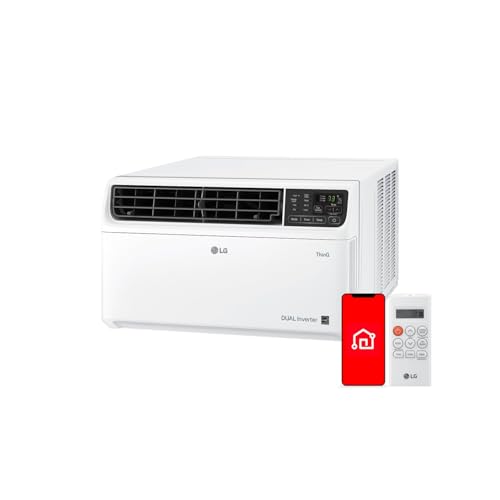
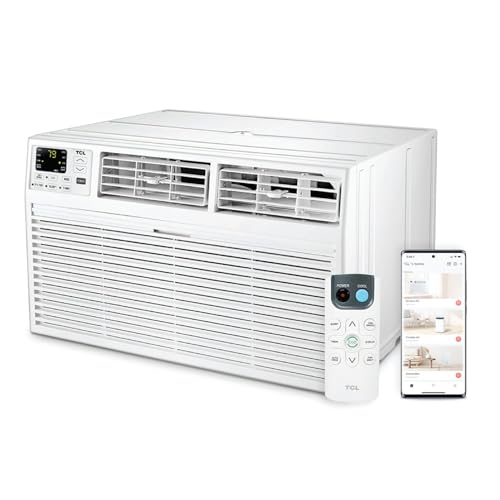
Inverter Through the Wall Air Conditioner: The Complete Guide
A through the wall air conditioner with inverter technology combines permanent wall-mounted installation with variable-speed compressor efficiency. This guide explains how these units work, who they suit best, and how to choose the right one for your space.
Quick summary: Inverter through the wall AC units deliver steadier temperatures, quieter operation, and better seasonal efficiency than traditional single-speed wall units. They are a strong fit for rooms where a permanent wall opening already exists or can be created, and where window space must stay unobstructed.
What Is an Inverter Through the Wall Air Conditioner?
A through the wall air conditioner is a self-contained cooling unit installed inside a wall sleeve, so it cools a room without occupying a window. An inverter version replaces the traditional on/off compressor with a variable-speed compressor that adjusts its output continuously. Instead of cycling between full power and complete shutdown, the compressor slows down once the room reaches the target temperature and then holds it with small corrections.
This combination matters because wall-sleeve units have historically been associated with abrupt temperature swings and noticeable compressor noise. Inverter control smooths both issues. The result is a unit that behaves less like a window box and more like a compact ductless system, while keeping the permanent, flush installation that makes through the wall designs attractive.
If you are still comparing form factors, our overview of inverter air conditioning units explains where wall-sleeve models fit among mini-splits, portables, and window units.
How Inverter Technology Changes Wall-Sleeve Cooling
Understanding the operating principle helps you judge marketing claims. Three differences stand out in daily use.
- Continuous modulation: The compressor ramps up to pull down room temperature, then throttles back to a low, steady output. Room temperature stays within a narrow band rather than drifting up and down.
- Gentler startup: There is no repeated full-power surge each time the compressor restarts, which reduces mechanical wear and electrical stress on the circuit.
- Better part-load efficiency: Most of the cooling season is part-load weather. A modulating compressor spends more time in its efficient low-output range, which is where inverter designs outperform fixed-speed units.
The trade-off is electronic complexity. Inverter boards and sensors add components that can fail, so warranty coverage and service access deserve attention during purchase. For a broader technical background, see our guide to inverter technology in air conditioners.
Inverter Wall-Sleeve vs Standard Through the Wall AC
The table below compares the two designs on the factors that matter most to buyers in the research stage.
| Factor | Standard Through the Wall AC | Inverter Through the Wall AC |
|---|---|---|
| Compressor behavior | Cycles on and off at full output | Modulates speed continuously |
| Temperature stability | Noticeable swings between cycles | Steady, narrow temperature band |
| Noise pattern | Distinct compressor start and stop sounds | Lower, more constant hum |
| Part-load efficiency | Lower, because cycling wastes capacity | Higher, because output matches demand |
| Electrical complexity | Simple, fewer electronic parts | More electronics, needs surge protection |
| Best for | Occasional use, simple setups | Daily use, bedrooms, home offices |
Neither design is universally superior. A standard unit is simpler to service and often the practical choice for a guest room used a few weeks per year. An inverter model earns its place in rooms cooled for many hours daily, where comfort and seasonal efficiency compound over time.
Who Should Choose an Inverter Wall-Sleeve Unit
This category fits specific situations rather than every home. Consider it when most of the following apply.
- Your home already has a wall sleeve from a previous through the wall unit, or you are willing to create one during renovation.
- You want to keep windows clear for light, views, or ventilation in other seasons.
- The room is used for long daily stretches, such as a bedroom, nursery, or home office.
- You prefer a permanent installation that does not need seasonal removal and storage.
- Noise tolerance is low and you want quieter operation than a typical window box.
Conversely, renters who cannot modify walls, rooms needing cooling only a few days per year, and spaces where a mini-split is feasible may find better fits elsewhere. Our guide to through the wall AC units covers the broader category, while inverter window air conditioners are the alternative when a window installation is acceptable.
Sizing an Inverter Through the Wall AC Correctly
Inverter units are more forgiving of slight oversizing than fixed-speed models, because they can throttle down. They are not immune to the problem, however: a badly oversized inverter unit may spend too much time at its minimum output and still short-cycle, which undermines dehumidification.
Start with room square footage, then adjust for the factors that change real cooling load:
- Ceiling height: rooms above standard height need proportionally more capacity.
- Sun exposure: west- and south-facing rooms with large glazing run hotter.
- Occupancy: each additional regular occupant adds load.
- Kitchen proximity: open-plan kitchens add appliance heat.
- Insulation and air sealing: older, leaky construction needs more capacity.
A proper room-by-room load calculation is the reliable method. Our guide to Manual J load calculation explains the professional standard, and the BTU calculator by room size gives a fast starting estimate. Aim for the closest standard capacity at or slightly above the calculated load, not the largest unit available.
Efficiency Ratings to Compare
Through the wall units are rated like other room air conditioners, and the labels on the box deserve a close look.
- CEER / CEER2: the combined energy efficiency ratio used for room air conditioners, including wall-sleeve models. Higher numbers indicate better efficiency.
- SEER2: applies to central and split systems, not typically to wall-sleeve room units, but useful context when comparing against mini-splits.
- ENERGY STAR: certification signals the unit meets current federal efficiency thresholds for its class.
Inverter models usually carry a higher CEER than fixed-speed units of similar capacity, which is the core efficiency argument in their favor. Our explainers on SEER ratings and ENERGY STAR certified AC provide the background needed to interpret these figures.
Installation and Wall Sleeve Considerations
Through the wall installation is more involved than a window drop-in but far less invasive than central air. Key points to plan for:
- Sleeve compatibility: many inverter wall units are designed to fit standard sleeves, but dimensions vary. Measure the existing sleeve before ordering.
- Exterior clearance: the outdoor side needs unobstructed airflow and a slight downward slope for drainage.
- Electrical circuit: most room units run on 115V or 230V dedicated circuits. Confirm the circuit and breaker match the unit's requirements.
- Condensate management: ensure the drain path is clear and the unit is level side to side.
- Weather sealing: the sleeve perimeter needs proper flashing and insulation to prevent drafts and water intrusion.
For step-by-step guidance, see our guides on installing a through the wall air conditioner and installing an AC unit in a wall sleeve. If you are working with an existing opening, installing an air conditioner in a wall covers retrofitting details. For electrical planning, our explainer on 110V vs 240V air conditioners is a useful reference.
Features Worth Prioritizing
Inverter wall-sleeve units vary widely in feature sets. These are the ones that affect daily satisfaction most.
- Programmable or smart thermostat control: scheduling reduces runtime during unoccupied hours and is the single biggest efficiency lever after sizing.
- Sleep mode and fan-speed control: quieter nighttime operation with gradual temperature adjustment.
- Dehumidification mode: useful in humid climates where moisture control matters as much as temperature.
- Washable filter with easy access: maintenance simplicity directly affects long-term performance.
- Heat pump function: some models offer reverse-cycle heating, extending usefulness into shoulder seasons. See inverter heater and air conditioner combinations for context.
Remote and app-based control are increasingly common. Our overview of AC with Wi-Fi and smart control explains how these systems integrate with home routines.
Maintenance That Keeps Inverter Units Efficient
Inverter hardware rewards consistent maintenance. A dirty filter forces the compressor to work harder and can mask the efficiency advantage you paid for.
- Clean or replace the filter every two to four weeks during heavy cooling season.
- Inspect and gently clean the outdoor-side coils annually, ideally before summer.
- Keep the exterior grille free of debris, leaves, and vegetation growth.
- Check the condensate drain path for clogs at the start of the season.
- Schedule a professional check every few years to verify refrigerant charge and electrical connections.
Our broader maintenance guide for air conditioning units and AC maintenance plan overview cover seasonal checklists in more detail.
Common Problems and Troubleshooting Basics
Most issues with inverter wall units trace back to airflow, drainage, or electrical supply. Before calling a technician:
- Weak cooling: check the filter first, then confirm the outdoor side is not blocked.
- Water inside the room: look for a clogged drain or a unit that is no longer level.
- Unit will not start: verify the breaker and outlet voltage match the unit's requirements.
- Error codes: inverter models display diagnostic codes; note the code before contacting service.
Detailed fixes are covered in our guides on AC not cooling and AC leaking water. Persistent electrical or refrigerant issues should go to a qualified technician; see when to call an HVAC technician.
Inverter Wall-Sleeve vs Mini-Split vs Window AC
A short comparison helps position the category against its closest alternatives.
| Consideration | Inverter Through the Wall | Ductless Mini-Split | Inverter Window AC |
|---|---|---|---|
| Installation effort | Moderate; needs wall opening or sleeve | Higher; line set and outdoor unit | Low; fits a window |
| Window space | Fully preserved | Fully preserved | Blocked while installed |
| Noise level | Moderate | Lowest | Moderate to high |
| Efficiency ceiling | Good | Highest | Good |
| Best fit | Permanent single-room cooling | Multi-room or premium comfort | Renters and flexible setups |
For deeper comparisons, our guides on ductless vs ducted AC and inverter window air conditioners with heat cover the adjacent options.
Frequently Asked Questions
Can an inverter unit fit an existing wall sleeve?
Often yes, but not always. Sleeve dimensions and mounting methods vary by manufacturer. Measure your sleeve's interior dimensions and compare them with the unit's published specifications, including the required exterior projection, before ordering.
Is an inverter through the wall AC quieter than a standard one?
Generally yes. Because the compressor modulates instead of cycling on and off, the sound profile is a steadier, lower-level hum without repeated startup noise. Fan settings and installation quality still influence overall noise.
How long do inverter wall units typically last?
With regular filter cleaning and periodic professional service, a well-installed unit can serve for many years. Inverter electronics are the most common failure point, which makes surge protection and warranty coverage important considerations.
Do inverter models need a special electrical circuit?
They follow the same circuit rules as other room air conditioners. Most larger wall units require a dedicated circuit at the voltage specified on the rating plate. Confirm with a licensed electrician if you are unsure about your existing wiring.
Can I use an inverter wall unit as a primary cooling source?
For a single room or an open-plan zone, yes, provided the unit is correctly sized for the load. For whole-home cooling, a central system or multi-zone mini-split arrangement is the more practical approach.