Inverter Air Conditioning Units: The Complete Guide
Understand how inverter technology works, why it delivers steadier comfort and greater efficiency, and how to select the right inverter unit for your room, climate, and usage habits.
What Is an Inverter Air Conditioning Unit?
An inverter air conditioning unit is a system built around a variable-speed compressor. Instead of running the compressor at a single fixed speed and cycling it fully on and off, an inverter unit continuously adjusts the compressor's rotational speed to match the current cooling load. When a room is far from the set temperature, the compressor runs faster; as the room approaches the target, it slows down and maintains a gentle, steady output.
The term "inverter" refers to the electronic component that converts direct current (DC) into alternating current (AC) at a variable frequency. By controlling frequency, the inverter board governs compressor speed with precision. This is the core difference between inverter AC technology and conventional fixed-speed systems.
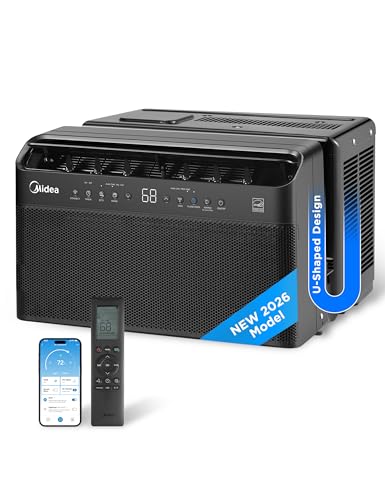
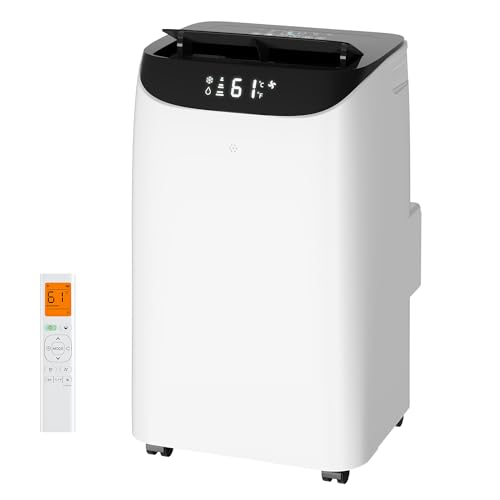
Modern inverter units are common across nearly every category of cooling equipment, including inverter window air conditioners, inverter through-the-wall units, and portable models with inverter compressors. The same principle scales from compact single-room units to whole-home systems.
How Inverter Technology Works
To appreciate inverter units, it helps to compare them with a fixed-speed system. A conventional air conditioner has a compressor that operates at one speed. When the thermostat calls for cooling, the compressor starts at full power; once the room reaches the set temperature, it shuts off entirely. This on-off cycling repeats constantly, causing temperature swings and repeated high-startup power draws.
An inverter system changes that pattern in three key steps:
- Sensing demand: The control board compares the room temperature with the setpoint and calculates how much cooling is needed.
- Modulating frequency: The inverter adjusts the electrical frequency fed to the compressor motor, which changes its speed and therefore its cooling output.
- Holding steady: Once the target temperature is reached, the compressor settles into a low, continuous speed that offsets heat gain without overshooting.
This smooth modulation is why inverter units deliver more consistent room temperatures and avoid the sharp startup surges that characterize fixed-speed compressors. The same control logic is used in inverter technology air conditioners across window, ductless, and central formats.
Inverter vs Non-Inverter: A Practical Comparison
Both designs cool effectively, but they behave differently in daily use. The table below summarizes the most meaningful differences for a typical household.
| Feature | Inverter Unit | Non-Inverter Unit |
|---|---|---|
| Compressor operation | Variable speed, continuously modulated | Single speed, full on/off cycling |
| Temperature stability | Very steady, minimal swings | Noticeable swings between cycles |
| Energy use pattern | Lower average draw, fewer startup surges | Higher average draw from frequent restarts |
| Noise during steady operation | Quieter, fewer cycling sounds | Louder startup and shutdown events |
| Compressor wear | Reduced by smooth ramping | Higher from repeated hard starts |
| Control electronics | More complex inverter board | Simpler, fewer electronic parts |
| Best suited for | Rooms in frequent or long use | Occasional, short cooling sessions |
For households that run cooling for many hours a day, the inverter design's steady operation typically translates into more comfortable conditions and lower overall energy consumption. For very short, intermittent use, the advantage narrows, though the comfort benefit of stable temperatures remains.
Key Benefits of Inverter Air Conditioning Units
Inverter technology delivers several practical advantages that matter to everyday users:
- Steadier comfort: Because the compressor modulates rather than cycling fully off, room temperature stays close to the setpoint without the familiar "cool then warm" rhythm.
- Greater efficiency in long runs: Avoiding repeated high-startup draws means inverter units tend to be more efficient over extended operating periods. This is why low-wattage AC designs often rely on inverter compressors.
- Quieter operation: Fewer on/off transitions and lower steady-state compressor speeds reduce both cycling noise and continuous sound levels.
- Reduced compressor wear: Smooth ramping places less mechanical stress on the compressor, supporting durability over the unit's service life.
- Better humidity control: Longer, gentler run times allow more consistent moisture removal compared with short, aggressive cooling bursts.
- Design flexibility: Inverter compressors appear in nearly every format, from dual-hose portable units to combined heating and cooling models.
Types of Inverter Air Conditioning Units
Inverter technology is available across most equipment categories. The right format depends on your space, installation constraints, and how much of the home you need to cool.
Inverter Window Units
Window air conditioners with inverter compressors fit standard window openings and deliver the efficiency benefits of modulation in a self-contained package. They suit single rooms and rentals where ductwork is unavailable. Models with heating capability are also available for year-round use. See our guide to inverter window air conditioners with heat for details.
Inverter Portable Units
Portable inverter units offer flexibility for rooms where window or wall installation is impractical. Dual-hose designs improve efficiency by separating intake and exhaust air. For spaces without a suitable window, explore inverter portable AC with heat options.
Inverter Through-the-Wall Units
These units install permanently through an exterior wall, freeing the window and providing a more secure, built-in solution. Inverter through-the-wall models combine the efficiency of variable-speed operation with a clean installation.
Ductless Mini-Split Systems
Mini-split systems pair an outdoor inverter compressor with one or more indoor air handlers. They are highly efficient and allow zone-by-zone control. For homes without ductwork, a mini-split AC system is often the most effective approach. Installation requires professional refrigerant handling; our guide to installing a mini-split explains what to expect.
Central and Ducted Inverter Systems
Whole-home inverter systems use a variable-speed compressor to condition the entire house through existing ductwork. When replacing an older fixed-speed system, installing central air with existing ductwork can be a practical path to inverter efficiency.
How to Choose the Right Inverter Unit
Selecting an inverter air conditioning unit is mostly about matching capacity, efficiency, and format to your actual usage. Follow these steps:
- Size the unit correctly: An oversized unit will short-cycle even with inverter modulation, undermining efficiency and comfort. Use a proper load calculation—our Manual J load calculation guide explains the standard method, or start with the inverter AC overview and room-size guidance.
- Check the efficiency rating: Look for the SEER rating on the unit's label. Higher SEER values indicate greater cooling efficiency. Inverter units generally achieve higher ratings than fixed-speed equivalents.
- Match the format to the space: Choose window, portable, through-the-wall, mini-split, or central based on installation constraints and how many rooms you need to cool.
- Consider heating needs: If you want year-round comfort from one system, a heat-pump-capable inverter model can handle both seasons. See inverter heater and air conditioner combinations.
- Think about controls and features: Programmable thermostats, Wi-Fi control, and sleep modes help you get the most from an inverter unit's modulation capabilities.
- Plan for professional installation: Correct refrigerant charge, line-set sizing, and electrical work are essential to performance and warranty coverage.
Market Tiers Explained
Inverter units are available across a wide range of specifications. Rather than focusing on numbers, it helps to understand where a model sits in the market and what that generally means for build quality and features.
Entry-level tier: These models cover the essentials—variable-speed operation, basic controls, and standard filtration. They are a solid choice for occasional use in secondary rooms.
Mid-range tier: Expect quieter operation, better filtration, programmable or smart controls, and more refined compressor modulation. This tier is well-specified for most households and offers good value for its class.
Premium tier: Premium models add advanced features such as enhanced air purification, more precise temperature sensing, and superior sound insulation. They are a strong fit for primary living spaces used daily.
Top-tier and professional-grade: These units prioritize maximum efficiency, heavy-duty construction, and advanced controls. They suit large spaces, multi-zone setups, or users who want the highest level of performance and durability.
As a general rule, mid-range inverter models often deliver the best balance of comfort, features, and long-term efficiency for typical homes, while entry-level units suit lighter duty and top-tier models serve demanding or whole-home applications.
Maintenance Tips for Inverter Units
Inverter systems are reliable, but they reward consistent care. A few habits keep them running efficiently:
- Clean or replace filters regularly: Restricted airflow forces the compressor to work harder and can reduce efficiency. Check filters monthly during heavy-use seasons.
- Keep outdoor coils clear: Remove debris, leaves, and obstructions around the outdoor unit to maintain heat exchange.
- Schedule professional servicing: Annual inspections catch refrigerant issues, electrical problems, and control-board faults early. Inverter boards are sensitive, so leave diagnostics to qualified technicians.
- Use the right settings: Avoid extreme setpoints and use programmable schedules to let the unit modulate efficiently rather than fighting rapid temperature changes.
- Watch for warning signs: Unusual noises, reduced cooling, or error codes should prompt a service call before small issues become major repairs.
For a broader maintenance routine, see our maintenance on air conditioning unit guide.
Frequently Asked Questions
What is an inverter air conditioning unit?
It is an air conditioner built with a variable-speed compressor that continuously adjusts its output to match cooling demand. Instead of switching fully on and off, it modulates speed, which delivers steadier temperatures and greater efficiency.
Are inverter air conditioners more energy efficient?
Yes. By avoiding repeated high-startup power draws and running at lower, modulated speeds for longer periods, inverter units typically consume less energy overall and maintain a more consistent room temperature.
How long do inverter air conditioning units last?
With proper maintenance, an inverter unit generally lasts 10 to 15 years. The smooth ramping of the compressor reduces mechanical stress, which can support a long service life.
Do inverter AC units need special maintenance?
Routine care is similar to conventional units: clean or replace filters, keep coils clear, and schedule professional servicing. Because inverter units contain sensitive electronic control boards, qualified technicians should handle diagnostics and repairs.
Are inverter AC units quieter than non-inverter models?
Generally yes. Because the compressor modulates rather than repeatedly starting and stopping at full power, inverter units tend to produce fewer cycling noises and run at lower sound levels during steady operation.
Can inverter units heat as well as cool?
Many inverter models are heat pumps, meaning they can reverse the refrigerant cycle to provide heating in cooler months. These combined units are a practical year-round solution.
⚠️ AFFILIATE DISCLOSURE: This website contains affiliate links. As an Amazon Associate, we earn from qualifying purchases. If you make a purchase through these links, we may receive a small commission at no additional cost to you. Read our full affiliate policy.