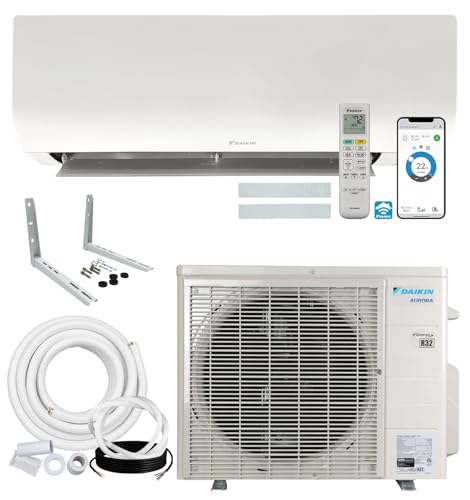
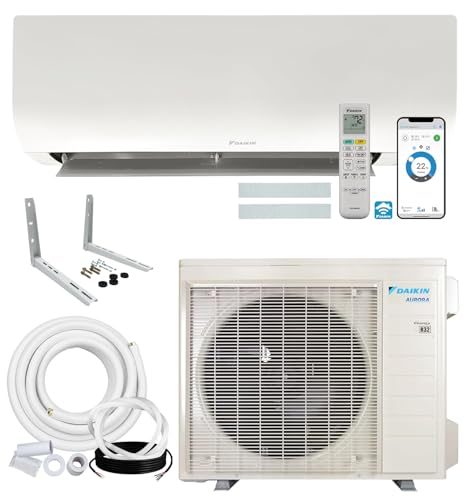
Low Ambient Mini Splits: Reliable Comfort in Cold Weather
Learn how low ambient mini split heat pumps keep your home warm when outdoor temperatures drop well below freezing — and whether one is the right fit for your climate, home layout, and comfort expectations.
Explore Buying FactorsWhat Are Low Ambient Mini Splits?
A low ambient mini split is a ductless heat pump designed to operate at outdoor temperatures far lower than conventional air conditioners. While a standard mini split is optimized for cooling and mild heating, a low ambient model includes enhanced components — a crankcase heater, demand defrost controls, and upgraded compressor lubrication — that allow it to run reliably in cold climates.
These systems are often described as cold-climate heat pumps. They deliver both cooling in summer and heating in winter from the same wall-mounted indoor head. For homeowners who want a single system that works year-round without backup resistance heat in moderate cold, a low ambient unit is the natural next step up from a standard mini split AC system.
The key difference lies in the operating range. A conventional ductless unit may stop heating effectively near freezing, while low ambient models are rated to continue delivering useful capacity at temperatures that would shut down a standard unit. That capability is what makes them viable in climates with real winters.
How Low Ambient Operation Works
Understanding the mechanics helps you evaluate claims on a spec sheet. A low ambient mini split manages cold-weather operation through several coordinated systems:
- Crankcase heater: Keeps compressor oil warm so it circulates properly on cold starts, protecting the compressor from damage.
- Demand defrost: Detects frost buildup on the outdoor coil and initiates defrost cycles only when needed, preserving heating output and efficiency.
- Enhanced compressor design: Uses variable-speed inverter technology to modulate output and maintain operation at lower outdoor temperatures.
- Smart controls and sensors: Continuously monitor ambient and coil temperatures to adjust refrigerant flow and protect the system.
Because these units rely on inverter technology, they can ramp compressor speed up or down instead of cycling on and off. That smooth modulation is central to both cold-weather performance and long-term efficiency.
Who Needs a Low Ambient Mini Split?
Not every home requires cold-climate capability. The clearest candidates are:
- Homeowners in cold-winter climates: Regions where temperatures routinely fall below freezing and heating is a primary concern.
- Homes without existing ductwork: Older homes, additions, and converted spaces where installing ducts is impractical.
- Room-specific comfort needs: Garages, sunrooms, home offices, and additions that central systems do not reach well.
- Owners seeking one-system year-round comfort: A single ductless unit that cools in summer and heats in winter.
- Those replacing aging electric resistance heat: A low ambient heat pump can deliver the same warmth with far greater efficiency.
If your winters are mild and cooling is the main priority, a standard ductless system may be sufficient. The decision hinges on how cold it gets and how much of your annual comfort depends on heating.
Key Features to Compare
When evaluating low ambient mini splits, focus on specifications that directly affect cold-weather performance and long-term satisfaction.
Rated Operating Range
The lowest outdoor temperature at which the unit delivers its rated heating capacity. Look for a range that comfortably covers your local winter extremes.
Heating Capacity at Low Temps
Manufacturers publish capacity at specific outdoor temperatures. Compare how much heating output remains at the cold end of the range, not just at mild conditions.
HSPF2 Rating
The heating seasonal performance factor indicates heating efficiency. Higher ratings mean more heat delivered per unit of energy over the heating season.
SEER2 Rating
Cooling efficiency matters too. A well-rounded unit delivers strong efficiency in both modes, since it operates year-round.
Defrost Strategy
Demand defrost systems are more efficient than timed defrost. They reduce unnecessary defrost cycles and maintain comfort during cold snaps.
Compressor Protection
Crankcase heaters and low-temperature lubrication safeguards protect the compressor — the most critical and costly component to replace.
Market Tiers at a Glance
Low ambient mini splits span several market tiers. The table below compares representative tiers by capability rather than by numeric figures, so the guidance remains stable over time.
| Tier | Cold-Weather Capability | Efficiency Profile | Best For |
|---|---|---|---|
| Entry-Level | Handles moderate cold; suitable for mild-winter regions. | Solid cooling efficiency; basic heating performance. | Homeowners in transitional climates who need occasional heating. |
| Mid-Range | Extended operating range with demand defrost and crankcase heater. | Balanced SEER2 and HSPF2; strong year-round efficiency. | Most cold-climate homes seeking dependable primary heating. |
| Premium | Widest operating range; maintains high capacity in deep cold. | Top-tier efficiency; advanced modulation and smart controls. | Homes in severe-winter regions demanding maximum reliability. |
Mid-range models typically offer the best balance for most homeowners, while premium units are justified in regions with extended sub-freezing periods. The right tier depends less on brand prestige and more on how closely the unit's operating range matches your climate.
Sizing a Low Ambient Mini Split Correctly
Oversizing or undersizing a ductless system undermines both comfort and efficiency. Heating loads in cold climates are often higher than cooling loads, so sizing must account for winter demand, not summer alone. A proper Manual J load calculation considers insulation, window area, air leakage, and local design temperatures.
For reference, a mini split for 500 square feet may be adequate for a well-insulated space, while larger open areas need proportionally more capacity. In cold climates, always size to the heating load if it exceeds the cooling load — a low ambient unit will modulate down for cooling, but an undersized unit cannot make up a heating shortfall.
Installation Considerations
Installation quality directly affects cold-weather performance. Key points to discuss with your installer:
- Outdoor unit placement: Elevate the unit above snow line and ensure clearance for drainage and airflow.
- Line set protection: Insulate refrigerant lines thoroughly to prevent heat loss and condensation issues in cold weather.
- Drain management: In freezing conditions, condensate must drain away without refreezing around the unit.
- Electrical requirements: Confirm circuit capacity and breaker sizing match the unit's specifications.
- Professional commissioning: Proper vacuuming and refrigerant charge verification are essential for reliable operation.
For a broader walkthrough of ductless installation, see the guide on installing a mini split. If your home lacks ducts entirely, the overview of installing air conditioning in a house without ducts provides useful context on system options.
Maintenance for Cold-Climate Performance
Low ambient systems work harder in winter, so maintenance deserves attention. Regular filter cleaning preserves airflow and efficiency. Outdoor coil cleanliness matters even more in cold climates, where debris and ice can interfere with defrost. Schedule professional service before each heating season to verify refrigerant charge, inspect the crankcase heater, and test defrost operation.
Routine maintenance for HVAC systems extends equipment life and keeps efficiency ratings meaningful in practice. A neglected unit will not deliver the performance its spec sheet promises.
Buying Factors That Matter Most
Before finalizing a choice, weigh these factors in order of impact:
- Climate match: Compare the unit's rated operating range to your local design temperature. A wide margin is better than a tight one.
- Heating capacity retention: Look at published capacity at low temperatures, not just the nominal rating.
- Efficiency in both modes: Since the unit runs year-round, both SEER2 and HSPF2 matter.
- Defrost and compressor protection: These features determine reliability through winter.
- Noise levels: Indoor and outdoor sound ratings affect livability, especially in bedrooms.
- Smart controls: Scheduling and remote monitoring improve comfort and energy management.
- Warranty and local service: Confirm authorized technicians are available in your area.
Homeowners comparing system types may also find the overview of mini split air conditioners with heat pumps helpful for understanding how heating and cooling integrate in a single unit.
Ready to Compare Models?
Review our recommended low ambient mini splits below, filtered for cold-climate capability and year-round efficiency.
View Recommended ModelsFrequently Asked Questions
What temperature can a low ambient mini split operate in?
Operating ranges vary by model and tier. Entry-level units handle moderate cold, while premium cold-climate models are rated for significantly lower outdoor temperatures. Always check the manufacturer's published operating range and compare it to your local winter design temperature.
Do low ambient mini splits need a backup heat source?
In many cold climates, a well-matched low ambient unit can serve as the primary heat source. However, in regions with extreme or prolonged sub-freezing temperatures, a supplemental heat source may still be advisable. A load calculation and local climate review will clarify your specific need.
How is a low ambient mini split different from a standard mini split?
Low ambient models include cold-weather components such as a crankcase heater, demand defrost controls, and enhanced compressor protection. These allow reliable operation at temperatures that would impair or shut down a standard ductless unit.
Can a low ambient mini split cool as well as it heats?
Yes. These are heat pumps that provide both heating and cooling. Cooling performance is generally strong, and efficiency in cooling mode is reflected in the SEER2 rating. The cold-climate engineering adds heating capability without sacrificing cooling function.
How often should a low ambient mini split be serviced?
At minimum, schedule professional service once per year before the heating season. Filter cleaning should be done more frequently by the homeowner. In dusty or snowy environments, outdoor coil inspection may be needed more often.
Is a low ambient mini split suitable for a garage or sunroom?
Yes, ductless systems are well suited to spaces that central systems do not reach. Cold-climate models are particularly useful in garages, sunrooms, and additions where winter heating is a concern. Proper sizing and insulation are essential for satisfactory results.