Metal Air Duct: Complete Guide to Types, Sizing & Installation
Understand how galvanized steel and sheet metal ductwork move conditioned air through your home, how to size and seal it correctly, and what to check before your next HVAC project.
Start ReadingWhy this guide matters: A duct system is only as good as its weakest joint. Even a premium air conditioner will underperform if the metal duct network leaks, is undersized, or is poorly insulated. This guide explains the practical details that help you ask the right questions and make confident decisions.
On This Page
What Is a Metal Air Duct?
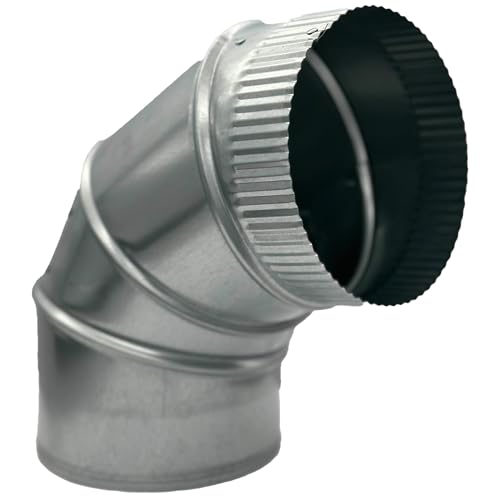
A metal air duct is a rigid or semi-rigid conduit made from sheet metal — most commonly galvanized steel — used to distribute heated or cooled air from an HVAC unit to the rooms in a building, and to return air back to the system. Metal ductwork is the traditional backbone of residential and commercial forced-air systems because it is durable, fire-resistant, and can be fabricated in precise dimensions to match a load calculation.
Unlike flexible plastic or fiberglass duct board, metal ducts hold their shape under negative and positive pressure. That rigidity is a major advantage: a well-installed metal system resists sagging, maintains consistent internal dimensions, and can be sealed tightly at every joint. The trade-off is that metal conducts heat readily, so insulation is essential in unconditioned spaces such as attics, crawlspaces, and garages.
If your home already has a forced-air furnace or central air conditioner, the duct network is likely the single largest determinant of comfort and efficiency. Learning how metal ducts are classified, sized, and sealed helps you evaluate contractor proposals and spot problems early. For broader context on duct materials, see our guide to insulated air duct systems.
Types of Metal Ductwork
Metal duct systems fall into two broad families based on how they are built and installed: rigid and flexible. Most homes use a combination of both.
Rigid Metal Duct
Rigid metal duct is fabricated from sheet metal — typically 26 to 30 gauge for residential work — into rectangular, round, or oval sections. Rectangular trunk lines are common in basements and utility chases where space is tight, while round pipe is efficient for branch runs because it has less surface area and lower friction per unit of airflow. Rigid duct is assembled with slip-and-drive joints, Pittsburgh seams, or snap-lock connections, then sealed.
Key characteristics of rigid metal duct:
- Durable construction: Holds shape under pressure and resists sagging over decades.
- Precise sizing: Can be fabricated to exact dimensions from a Manual D or equivalent duct design.
- Low friction: Smooth galvanized interior promotes efficient airflow when clean.
- Serviceable: Sections can be opened, cleaned, and resealed by technicians.
- Requires insulation: Bare metal sweats and loses energy in unconditioned spaces.
Flexible Metal Duct
Flexible duct — often called flex duct — is a helical wire core wrapped in a reinforced plastic jacket, sometimes with an inner liner of metalized polyester. Despite the metal wire, it is usually classified separately from rigid metal duct because its performance characteristics differ substantially. Flex duct is used for the final run to a register, especially in tight ceilings and finished spaces.
Flex duct should be kept short, fully extended, and gently routed. Sharp bends or compressed sections choke airflow and raise static pressure. For a detailed comparison of rigid and flexible options, see our article on insulated flexible air duct.
Duct Board vs. Sheet Metal
Fiberglass duct board is sometimes grouped with metal ductwork in conversation, but it is a different product: rigid insulation panels with a foil facing, cut and folded into rectangular ducts. It offers built-in thermal resistance but is more fragile, harder to seal at joints, and prone to microbial growth if moisture enters. Sheet metal duct, by contrast, is the more robust choice for long-term performance when insulated and sealed correctly.
Common Metal Duct Materials
The metal itself matters. Different coatings and gauges suit different environments and budgets within their tier. The table below summarizes the main options using neutral market-position descriptors rather than figures.
| Material | Typical Use | Strengths | Trade-offs |
|---|---|---|---|
| Galvanized steel | Standard residential and light commercial ductwork | Durable construction, corrosion-resistant zinc coating, widely available | Needs insulation in unconditioned spaces |
| Stainless steel | Kitchen exhaust, laboratory, and high-moisture or corrosive environments | Excellent corrosion resistance, heavy-duty performance | Premium tier material; requires specialist fabrication |
| Aluminum | Lightweight branch runs and some exhaust applications | Lightweight, naturally corrosion-resistant, easy to form | Less rigid than steel; dents more easily |
| Aluminum-zinc coated steel | Coastal or humid climates where standard galvanized may corrode faster | Enhanced weather-resistant coating, long service life | Mid-range to premium tier within metal duct categories |
| Black iron / carbon steel | Specialty commercial and industrial exhaust | High-temperature tolerance, solid build | Requires protective coating; not typical for residential supply air |
Gauge selection is the other half of the material decision. Lower gauge numbers mean thicker metal. Residential supply trunk lines commonly use 26 to 28 gauge, while larger commercial ducts may use 24 gauge or heavier to handle higher static pressure. A contractor should specify gauge and reinforcement spacing based on duct size and system pressure — not guesswork.
Duct Sizing Basics
Duct sizing determines whether each room receives the airflow it needs without excessive noise or fan energy. The industry-standard approach is a room-by-room load calculation followed by a duct design method such as Manual D, which balances friction rate against available static pressure. Oversized ducts waste material and can lead to low velocity and poor mixing; undersized ducts starve rooms of air and create whistling at registers.
Three principles drive good sizing:
- Airflow per room: Each room's heating and cooling load translates to a required cubic feet per minute (CFM). Bedrooms typically need far less than a great room.
- Friction rate: The pressure drop per 100 feet of duct. A well-designed system targets a consistent friction rate across the network.
- Velocity limits: Supply trunks are often kept below roughly 900 feet per minute and branch runs below about 600 feet per minute to control noise; return ducts are sized slightly larger.
Before any duct is fabricated, a proper Manual J load calculation should establish how much conditioning each room needs. Skipping that step is one of the most common causes of comfort complaints after a new system is installed. If you are weighing whether to extend an existing network or build new, our guide on installing central air with existing ductwork explains how to evaluate whether the old metal ducts can be reused.
Sealing and Insulation
Metal ductwork leaks at seams, joints, collars, and register boots unless those connections are deliberately sealed. Leaky ducts in attics and crawlspaces can lose a significant share of conditioned air before it ever reaches a room, and they can also draw in unconditioned air, dust, and humidity. Sealing is therefore not optional — it is a core part of the system.
Sealing Methods
- Mastic: A thick brush-on sealant applied to joints and seams. It is durable and remains flexible, making it the preferred method for rigid metal duct.
- Foil-backed tape: A pressure-sensitive tape with foil backing, rated for HVAC use. It performs well on clean metal surfaces.
- Gasketed joints: Some fabricated fittings include factory gaskets that compress when assembled.
- Aerosol duct sealing: A professional process that injects sealant mist into a pressurized system to close small leaks from the inside.
Cloth-backed "duct tape" should not be used for permanent sealing; its adhesive degrades and it dries out over time. A pressure test — often a duct blaster test — can quantify leakage before and after sealing so you know the work delivered results.
Insulation
Bare metal duct in an unconditioned attic, crawlspace, or garage will sweat in summer and lose heat in winter. Insulation is typically supplied as a foil-faced fiberglass blanket wrapped around the duct, or as a factory-jacketed insulated duct section. In hot-humid climates, the vapor barrier must face outward to prevent condensation inside the insulation. For a deeper look at best practices, see our guide on insulating ductwork in crawl space and the broader topic of insulated ductwork.
Installation Considerations
Installation quality separates a quiet, efficient system from a noisy, leaky one. Whether you are planning a new build or a retrofit, the same fundamentals apply.
Planning the Layout
- Keep trunk runs as short and direct as possible, with gradual transitions instead of abrupt size changes.
- Avoid routing ducts through unconditioned spaces when a conditioned chase is available.
- Plan for accessible cleanouts and damper locations before walls close up.
- Support ductwork at recommended intervals — typically every 4 to 6 feet for rigid rectangular duct, with additional support at fittings.
Working With Existing Ducts
In an older home, the metal ducts may be structurally sound but undersized or poorly sealed. Before replacing them, a contractor should perform a leakage test and inspect for crushed or disconnected sections. If the existing layout is workable, resealing and rebalancing can deliver meaningful comfort improvements. Our articles on installing central air in a house with ducts and installing air conditioning in a house without ducts cover both scenarios in more depth.
Connecting to the Equipment
The transition between the air handler or furnace and the duct trunk is a common leakage point. Flexible connector canvas reduces vibration transmission, and the connection should be sealed with mastic and mechanically fastened. The supply plenum should be insulated and sized to the equipment's rated airflow. Proper commissioning includes measuring static pressure and verifying that the blower is set for the installed duct system.
When to Bring in a Professional
Fabricating and installing rigid metal duct requires sheet metal tools, an understanding of pressure and airflow, and often a permit. Homeowners can handle filter changes and simple visual inspections, but duct design and installation are best left to licensed HVAC contractors. If you are installing a new system, our guide on installing a new HVAC system walks through the sequence from load calculation to commissioning.
Metal vs. Other Duct Materials
Metal is one option among several. The table below summarizes how metal duct compares to common alternatives using neutral tier descriptors rather than figures.
| Duct Type | Market Position | Best For | Key Consideration |
|---|---|---|---|
| Rigid galvanized steel | Mid-range, widely used | Whole-home trunk and branch systems | Must be insulated and sealed; excellent long-term durability |
| Stainless steel | Premium tier | Corrosive or high-temperature environments | Specialist fabrication; long-term investment |
| Flexible duct | Entry-level to mid-range | Final runs to registers in tight spaces | Keep runs short and fully extended; avoid sharp bends |
| Fiberglass duct board | Entry-level | Simple rectangular runs where insulation is built in | Fragile joints; moisture control is critical |
| Fabric duct | Commercial-grade | Open commercial spaces and gyms | Easy to clean; not typical for residential forced-air |
For most residential projects, rigid galvanized steel for the trunk and primary branches, combined with short flexible runs to registers, offers a balanced approach: solid performance, serviceable construction, and good value for its tier.
Maintenance and Inspection
Metal duct is durable but not maintenance-free. A simple routine keeps it performing:
- Inspect accessible duct sections annually for disconnected joints, crushed sections, or signs of condensation.
- Re-seal any joints where mastic has cracked or tape has lifted.
- Replace the air filter on schedule — a clogged filter raises static pressure across the whole system.
- Check insulation in attics and crawlspaces for gaps, especially at fittings and register boots.
- Schedule professional duct cleaning if you notice visible debris, pest activity, or musty odors.
- After any major renovation, have the duct system re-tested for leakage before closing up walls.
Maintaining the duct system is part of the broader routine described in our guide to maintenance for HVAC systems. Small, consistent inspections prevent the slow efficiency losses that go unnoticed until a room stops cooling properly.
What to Look For When Buying
If you are sourcing duct materials for a project, or evaluating a contractor's proposal, focus on these factors rather than headline claims:
- Gauge and specification: Confirm the sheet metal gauge matches the duct size and system pressure. Thinner metal in a large trunk will flex and rattle.
- Sealing system: Look for mastic-rated joints, factory gaskets, or foil-backed tape — not cloth duct tape.
- Insulation rating: Choose an R-value appropriate to your climate and whether the duct runs through conditioned or unconditioned space.
- Fabrication quality: Clean folds, tight seams, and consistent dimensions indicate professional-grade fabrication.
- Compatibility with the air handler: Ensure the plenum and trunk sizes match the equipment's rated airflow.
- Documentation: A proper proposal includes a load calculation summary and duct design, not just a list of parts.
When comparing options, ask about long-term performance: how will the system be balanced, what leakage target will the installer test against, and what is the plan for insulating runs in unconditioned spaces. These questions reveal whether the quote reflects engineering or guesswork.
Explore Recommended ProductsFrequently Asked Questions
What is the difference between rigid metal duct and flexible duct?
Rigid metal duct is fabricated from sheet metal into fixed shapes and holds its dimensions under pressure, making it efficient for long trunk runs. Flexible duct uses a wire coil and plastic jacket, is easier to route through tight spaces, but should be kept short and fully extended because bends and compression reduce airflow.
Does metal duct need insulation?
Yes, whenever it runs through an unconditioned space such as an attic, crawlspace, or garage. Insulation prevents heat gain or loss and stops condensation from forming on cold metal surfaces in humid weather.
How often should metal ducts be cleaned?
There is no universal schedule. Many homes never need professional cleaning if filters are changed regularly and the system stays dry. Consider cleaning if you see visible debris, notice musty odors, have had pest activity, or are moving into a home with an unknown maintenance history.
Can I seal metal duct joints myself?
Accessible joints can be sealed with HVAC-rated mastic or foil-backed tape as a homeowner task. However, ducts hidden behind drywall or in tight chases are best left to a technician, and any sealing work should be followed by a pressure test to confirm results.
How do I know if my existing metal ducts are the right size?
The only reliable way is a room-by-room load calculation combined with a duct design review. If some rooms are consistently too warm or too cold, or if you hear whistling at registers, the ducts may be undersized or the system may be out of balance. A contractor can measure static pressure and airflow to diagnose the issue.
Is galvanized steel duct suitable for coastal homes?
Galvanized steel performs well in many climates, but coastal salt air accelerates corrosion. In those environments, aluminum-zinc coated steel or a heavier protective coating may be a worthwhile long-term investment. Consult a local contractor familiar with coastal building practices.
What is the difference between supply and return metal ducts?
Supply ducts carry conditioned air from the equipment to the rooms, while return ducts bring room air back to the equipment. Returns are typically sized slightly larger to reduce velocity and noise, and both must be sealed and, where needed, insulated.
Can metal ducts be used with a heat pump?
Yes. Metal duct systems are commonly paired with heat pumps. The ductwork must be sized for the heat pump's airflow and insulated appropriately, especially because supply air temperatures from heat pumps can be lower than from furnaces, making duct insulation and sealing even more important.