Mini Split Air Conditioner with Dehumidifier: A Complete Buying Guide
Learn how ductless mini splits remove moisture, which features actually matter for humidity control, how to size a system correctly, and how to choose the right tier for your home before you buy.
Compare FeaturesWhy this guide matters: Humidity is the hidden comfort killer. A room that feels clammy, sticky, or musty is often a humidity problem, not a temperature problem. A mini split air conditioner with a dedicated dehumidification mode tackles both at once, and this guide explains exactly what to look for so you can make a confident, informed decision.
How a Mini Split Air Conditioner Dehumidifies
Every air conditioner removes moisture as a natural byproduct of cooling. Warm, humid indoor air passes over a cold evaporator coil, condensation forms on the coil, and the collected water drains away through a condensate line. This is why a properly sized AC unit makes a room feel noticeably drier, not just cooler.
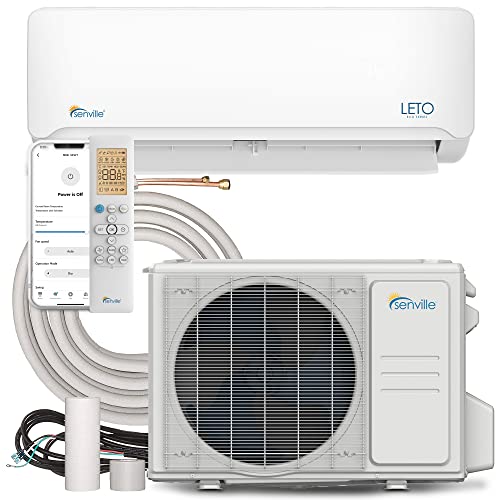
A mini split air conditioner with dehumidifier capability goes a step further. Most modern ductless systems include a dedicated dry mode (sometimes labeled dehumidify mode) that runs the indoor fan at a very low speed while the compressor cycles in short intervals. This maximizes moisture removal without pushing the room temperature down too far. The result is a space that feels comfortable even when the thermostat setting is relatively high.
Ductless mini splits are especially well suited to humidity control because each indoor air handler serves a defined zone. That means the unit can keep running in dry mode exactly where moisture is highest, such as a basement, a coastal bedroom, or a bathroom-adjacent living area, without over-cooling the rest of the home. If you are still evaluating whether ductless is right for your house, the guide on installing air conditioning in a house without ducts explains the broader trade-offs.
It is important to set realistic expectations. A mini split with dehumidification is an excellent whole-room moisture manager, but it is not a replacement for a commercial-grade dehumidifier in an extremely wet crawlspace or a flooded basement. For typical living spaces with relative humidity between 50 and 70 percent, a ductless system with a strong dry mode is usually more than enough.
Key Features to Compare Before You Buy
When shoppers search for a mini split air conditioner with dehumidifier, they often fixate on the word "dehumidifier" and overlook the features that actually determine real-world moisture removal. The list below covers the specifications that matter most.
Rated Dehumidification Capacity
Measured in pints per day, this figure tells you how much moisture the system can extract under standard test conditions. A higher rating is better for damp climates, but always pair it with correct sizing.
Dedicated Dry Mode
A true dry mode prioritizes moisture removal over temperature drop. It should be selectable from the remote and ideally adjustable across several fan speeds.
Low Fan Speed Control
Slower airflow lets the evaporator coil stay cold longer, which means more condensation and better humidity removal. Look for a unit with multiple low-speed settings.
Variable-Speed Inverter Compressor
Inverter technology lets the compressor run at partial capacity for longer stretches. That steady, gentle operation is ideal for dehumidification because it avoids the short-cycling that leaves moisture behind.
Humidity Sensor and Auto Control
Some systems include a built-in humidity sensor that can maintain a target level automatically. This is a genuine convenience upgrade over manual dry mode.
Condensate Drain Management
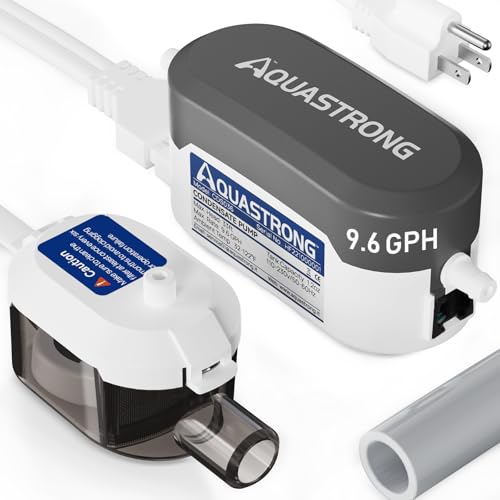
Reliable drainage is essential. Look for a unit with a built-in condensate pump option or a well-designed gravity drain path to prevent water backup and overflow.
Efficiency ratings also deserve attention. The seasonal efficiency rating tells you how well the system performs across a cooling season, and higher-rated units typically maintain their dehumidification performance more consistently because they modulate capacity smoothly. The explainer on inverter AC technology is a useful companion read if you want to understand why variable-speed compressors outperform single-speed ones in humid conditions.
Dehumidification Approaches Compared
The table below compares the most common ways homeowners combine cooling and moisture removal. Use it to decide which approach fits your space, climate, and comfort priorities.
| Approach | Best For | Humidity Control | Notes |
|---|---|---|---|
| Mini split with dedicated dry mode | Bedrooms, living rooms, home offices, coastal homes | Strong and adjustable | One system for cooling and moisture; zone-level control |
| Standard mini split in cool mode only | Mild climates with occasional humidity | Moderate | Moisture removal depends heavily on runtime and sizing |
| Mini split plus standalone dehumidifier | Very damp basements or rooms with no cooling need | Very strong | Two devices, more floor space used, higher total energy draw |
| Central AC with dehumidification add-on | Whole homes with existing ductwork | Strong in ducted zones | Requires ductwork and professional integration |
| Portable AC with dehumidify mode | Temporary setups and renters | Limited | Smaller capacity; window or venting required |
For most residential rooms under 1,000 square feet, a ductless mini split with a well-implemented dry mode is the most balanced option. It delivers cooling and moisture control without occupying extra floor space or requiring a second appliance.
Sizing and Humidity Control: Why Bigger Is Not Better
Sizing mistakes are the single most common reason a mini split underperforms at dehumidification. An oversized unit cools the room too quickly, satisfies the thermostat, and shuts off before it has time to pull meaningful moisture out of the air. The room feels cold and clammy at the same time, which is the classic symptom of short-cycling.
The right approach is to size for the cooling load first using a proper load calculation, then confirm that the chosen model has adequate dehumidification capacity and flexible low-speed fan settings. For a rough starting point, consult the room-by-room capacity guidance in the mini split AC unit for 500 square feet breakdown, and cross-check larger spaces against the mini split air conditioner for 1,000 sq ft guide.
- Under 400 sq ft: A 9,000 BTU class unit is usually appropriate for a well-insulated bedroom or office.
- 400 to 600 sq ft: A 12,000 BTU class unit typically balances cooling and moisture removal well.
- 600 to 1,000 sq ft: An 18,000 BTU class unit or a dual-zone setup may be needed, depending on layout and sun exposure.
- Above 1,000 sq ft: Multi-zone configurations generally provide better humidity control than a single oversized head.
Climate also matters. In hot-humid regions, slight undersizing relative to the cooling load often improves dehumidification because the unit runs longer cycles. In dry climates, prioritize cooling efficiency instead and treat dehumidification as a secondary benefit.
Quality Tiers: Matching the System to Your Needs
Mini splits with strong dehumidification features are available across the market spectrum. Rather than focusing on transactional figures, it helps to think in terms of quality tiers. The descriptors below describe relative market positioning and are used consistently throughout this guide.
Essential Tier
These systems cover the fundamentals: reliable cooling, a basic dry mode, and standard fan speed control. They are a solid choice for mild climates, guest rooms, or secondary spaces where humidity is occasional rather than persistent. Dehumidification capacity is modest, so they work best when paired with correct sizing.
Balanced Tier
Mid-range models typically add inverter compressors, more granular fan speed settings, and improved dry-mode logic. This is the sweet spot for most homeowners dealing with regular seasonal humidity. Expect smoother operation, quieter performance, and more consistent moisture removal than entry-level units.
High-End Tier
Premium systems often include built-in humidity sensing, advanced filtration, smart app control, and more sophisticated dry-mode algorithms that maintain a target humidity level automatically. They are well-suited to coastal homes, finished basements, and anyone who wants set-and-forget moisture management.
Flagship Tier
Flagship units combine top-tier efficiency, whisper-quiet indoor heads, multi-zone flexibility, and the most refined dehumidification controls available in the residential market. They represent a long-term investment for large homes or owners who prioritize the absolute best comfort experience.
Across all tiers, the same principle applies: a well-sized balanced-tier system will outperform an oversized or poorly configured premium unit in real-world humidity control. Prioritize sizing and installation quality over badge prestige.
Installation and Setup Tips for Better Dehumidification
Even the best mini split with a dehumidifier will underperform if it is installed poorly. A few installation details have an outsized effect on moisture removal:
- Indoor head placement: Mount the air handler where it can draw in room air freely. Avoid corners, tight soffits, or spots directly above heat sources, which can skew the return-air sensor.
- Condensate drainage: Confirm the drain line has a continuous slope and, where gravity drainage is not possible, that a condensate pump is installed and tested. Poor drainage leads to water backup and can trigger safety shutoffs.
- Line set length and insulation: Properly insulated refrigerant lines protect efficiency and prevent condensation on the lines themselves. Undersized or poorly sealed penetrations let humid outdoor air leak in.
- Air sealing: Seal the wall penetration and any gaps around the mounting plate. Infiltration undermines humidity control more than most homeowners realize.
For a deeper walkthrough of the physical installation process, see the guide on installing a mini split. If you are comparing system types before committing, the overview of the mini split AC system is a useful starting point. Homeowners who also want heating capability should review the mini split air conditioner with heat pump option, since heat pump models often carry the same dehumidification features plus year-round functionality.
Maintenance Habits That Protect Humidity Control
Dehumidification performance degrades quietly when maintenance is neglected. A dirty filter or a fouled evaporator coil reduces airflow and condensation efficiency, and the system may appear to run normally while removing far less moisture than it should.
- Clean or replace filters every four to six weeks during heavy cooling season, and more often in dusty or pet-heavy homes.
- Inspect the condensate drain monthly. A slow drain eventually becomes a clogged drain, and standing water in the drain pan is a common cause of musty odors.
- Schedule a professional coil cleaning annually. A clean evaporator coil is the foundation of both efficient cooling and effective dehumidification.
- Verify dry mode operation at the start of each humid season. Confirm the fan drops to low speed and that the unit maintains the target humidity level you expect.
- Check the outdoor unit for debris and clear the surrounding area so the condenser can reject heat efficiently.
Homeowners who want a broader maintenance framework can follow the routines outlined in the maintenance on air conditioning unit guide. A small amount of regular attention keeps dehumidification performance close to factory specification for years.
Frequently Asked Questions
Does a mini split air conditioner dehumidify?
Yes. Every mini split removes moisture as part of the cooling process, and most models include a dedicated dry or dehumidification mode that targets humidity without over-cooling the room.
Is a mini split with dehumidifier better than a separate dehumidifier?
A mini split with a strong dehumidification mode handles both temperature and humidity in one system, saves floor space, and often runs more efficiently than pairing a standard AC with a standalone dehumidifier. A dedicated dehumidifier still wins for very damp spaces that need no cooling at all.
What size mini split do I need for humidity control?
Size for the cooling load first, then prioritize a model with a rated dehumidification capacity and a low-speed fan setting. An oversized unit cools too fast to remove moisture properly, so accurate sizing is essential for humidity control.
Can I use dry mode all day?
Dry mode is designed for intermittent use during humid periods. Running it continuously is generally fine, but it is less energy-efficient than normal cooling when the room is already at a comfortable temperature. Use it when humidity is the primary discomfort, and switch to cool mode when temperature control is the priority.
Will a mini split with dehumidifier help with musty odors?
Reducing indoor humidity removes the conditions that allow mold and mildew to thrive, which often reduces musty odors at their source. Persistent odors can also indicate a clogged drain or dirty coil, so inspect the condensate system and schedule a cleaning if the smell does not improve.