Maintenance on Air Conditioning Unit: The Complete Homeowner Guide
Everything you need to know about keeping your air conditioner running efficiently, reliably, and safely — from routine filter care to seasonal tune-ups and knowing when to call a professional.
Why maintenance matters. An air conditioning unit is a long-term investment in home comfort. Like any mechanical system, it performs best when it receives consistent, thoughtful care. Regular maintenance on air conditioning unit systems protects efficiency, preserves indoor air quality, and helps you avoid the frustration of a breakdown on the hottest day of the year.
This guide walks you through the full maintenance picture: what you can safely do yourself, what belongs in a professional service visit, how to build a seasonal routine, and the warning signs that mean it is time to act. Read it end to end, or jump to the section that matches your situation.
What Maintenance on an Air Conditioning Unit Actually Involves
Maintenance is not a single task — it is a set of recurring actions across several components. Understanding the scope helps you prioritize and budget your time. Broadly, upkeep falls into four categories:
- Airflow management — filters, blower, and ductwork. Restricted airflow is the most common cause of reduced performance and frozen coils.
- Heat exchange cleaning — evaporator and condenser coils. Dirty coils force the compressor to work harder and longer.
- Drainage and moisture control — condensate drain lines and pans. Blockages lead to water damage and microbial growth.
- Electrical and mechanical checks — capacitors, contactors, refrigerant charge, and fan motors. These are best handled by a qualified technician.
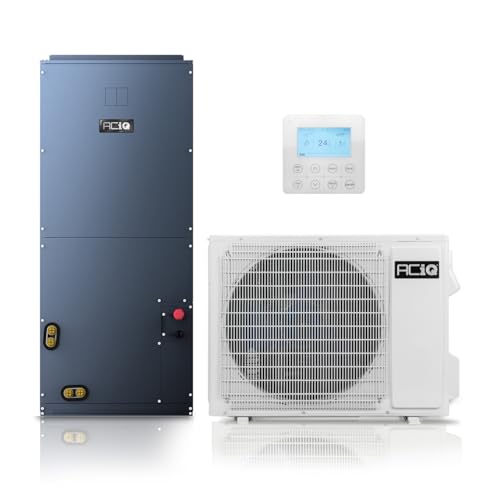
If your system is a ductless design, the same principles apply but the components are arranged differently. Our guide to mini-split air conditioning explains how maintenance routines differ for those systems.
DIY Maintenance Tasks You Can Do Safely
Most routine care is within reach of a careful homeowner. Always switch off power at the thermostat and, for outdoor work, at the dedicated breaker before touching any component.
1. Replace or clean the air filter
The filter is the single most important maintenance item. A clogged filter chokes airflow, reduces cooling capacity, and strains the blower motor. Check it monthly during peak season and replace or clean it every one to three months depending on household conditions — pets, pollen, and dusty environments shorten the interval.
- Use the filter size and MERV rating specified by the manufacturer.
- Note the airflow direction arrow on the filter frame.
- Reusable filters should be rinsed, dried completely, and reinserted.
2. Keep the outdoor unit clear
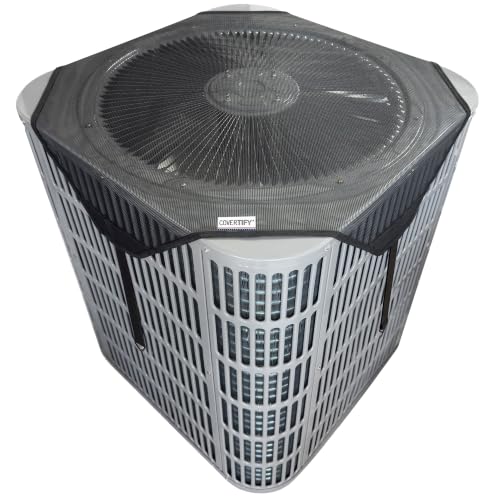
The condenser needs unobstructed airflow. Remove leaves, grass clippings, and debris from around the cabinet. Trim vegetation back at least two feet on all sides and gently rinse the fins with a garden hose on low pressure. Bent fins can be straightened with a fin comb.
3. Clean the condensate drain
A clogged drain line causes water to back up into the home. Locate the drain access point, flush the line with a mixture of water and a small amount of white vinegar, and verify that condensate flows freely. Many systems have a float switch that shuts the unit off when the pan fills — test it periodically.
4. Wipe down the indoor unit and vents
Dust accumulates on supply registers and return grilles. Vacuum them with a brush attachment. For ductless indoor heads, wipe the louver and front panel with a damp cloth.
5. Inspect the outdoor disconnect and wiring
Visual inspection only — look for scorch marks, loose conduit, or rodent damage. Do not open electrical panels unless you are qualified. Note anything unusual and mention it to your technician.
Seasonal Maintenance Checklist
A simple twice-yearly rhythm covers most needs. Use this checklist as a starting point and adapt it to your climate and system type.
Spring — before cooling season
- Replace the air filter and note the install date
- Clear debris from the outdoor unit and check clearance
- Rinse condenser fins with low-pressure water
- Flush the condensate drain line
- Test the thermostat in both cooling and fan modes
- Inspect visible ductwork for tears, sagging, or disconnected joints
- Schedule a professional inspection if it has been more than a year
Fall — before heating season
- Change the filter again
- Clean around the outdoor unit and cover it if recommended for your climate
- Check the condensate pan for standing water or algae
- Verify that registers are open and unobstructed
- Review the previous season's performance notes with your technician
For homes with ducted distribution, sealing leaks is one of the highest-impact maintenance actions. Learn how in our insulated air duct reference and insulated ductwork overview.
What a Professional Maintenance Visit Should Include
An annual professional service complements your DIY routine. A thorough technician visit generally covers:
| Service Area | Typical Checks | Why It Matters |
|---|---|---|
| Refrigerant circuit | Superheat/subcooling, pressure readings, leak inspection | Ensures correct charge and early leak detection |
| Electrical | Capacitor testing, contactor inspection, amp draw | Prevents component failure and fire risk |
| Airflow | Static pressure, blower wheel inspection, filter condition | Maintains rated capacity and comfort |
| Coils | Evaporator and condenser cleaning | Restores heat transfer efficiency |
| Drainage | Drain line clearing, pan inspection, float switch test | Prevents water damage and shutdowns |
For broader context on professional servicing across system types, see our resources on maintenance for HVAC and maintenance HVAC.
Maintenance Notes by System Type
Different configurations need slightly different attention. Use the table below to align your routine with your equipment.
| System Type | Key Maintenance Focus | Best For |
|---|---|---|
| Central systems | Filters, duct sealing, coil cleaning, condensate line | Whole-home comfort with ducted distribution |
| Ductless mini-splits | Indoor head cleaning, filter rinsing, outdoor coil care | Room-by-room zoning and retrofit installations |
| Window units | Filter washing, cabinet cleaning, seasonal removal | Single-room cooling in apartments and smaller homes |
| Portable units | Filter cleaning, exhaust hose inspection, water tank draining | Temporary or renter-friendly cooling |
If you are planning a new installation and want to understand upkeep before committing, review our installing a mini split guide or installing AC unit overview for lifecycle expectations.
Warning Signs That Demand Prompt Attention
Some issues can wait for the next scheduled visit; others should not. Contact a technician promptly if you observe:
- Warm air from supply vents while the system is in cooling mode
- Water pooling near the indoor unit or outdoors beneath the cabinet
- Unusual noises — grinding, squealing, or rattling
- Musty odors suggesting microbial growth in the ductwork or drain pan
- Frequent short cycling — the unit turns on and off rapidly
- Ice formation on the refrigerant lines or evaporator coil
- Unexplained energy use increases without a change in habits
For a deeper dive into symptom-specific troubleshooting, our maintenance-for-HVAC-systems reference, maintenance for HVAC systems, covers diagnostic pathways.
The Long-Term Value of Consistent Maintenance
Maintenance is not an expense to minimize — it is a long-term investment in reliability and efficiency. A well-maintained system holds closer to its rated SEER performance, experiences fewer compressor failures, and delivers more consistent comfort. Homeowners who keep detailed service records also find it easier to support warranty claims when issues arise.
Consider building a simple log: date, task performed, and any observations. Over several seasons, this record becomes a valuable diagnostic tool for your technician. It also helps you plan ahead — for example, deciding whether to repair or replace based on the system's age and service history.
If you are weighing upgrade options, our overviews of inverter AC and inverter air conditioning units explain how newer designs can reduce ongoing upkeep demands through variable-speed operation.
Quick Reference: Maintenance Frequency at a Glance
| Task | Frequency | Difficulty |
|---|---|---|
| Check air filter | Monthly in season | Easy |
| Replace air filter | Every 1–3 months | Easy |
| Clear outdoor unit debris | Monthly | Easy |
| Flush condensate drain | Every 3–6 months | Moderate |
| Clean condenser coils | Annually | Moderate |
| Professional tune-up | Annually | Professional |
Frequently Asked Questions
How often should I perform maintenance on an air conditioning unit?
Filter checks should happen every one to three months. A full DIY seasonal tune-up is best done twice a year, in spring before cooling season and in fall before heating season. Professional servicing is recommended once a year for central systems.
Can I clean the evaporator and condenser coils myself?
You can gently clean accessible condenser coils on the outdoor unit using a soft brush, coil cleaner, and a garden hose. Evaporator coils are usually enclosed and are best left to a licensed technician to avoid bending fins or damaging the drain pan.
What are the signs my AC needs maintenance right away?
Weak airflow, warm air from vents, water pooling near the unit, unusual grinding or squealing sounds, musty odors, and frequent short cycling are all signs that the unit needs prompt attention.
Does regular maintenance really extend the life of an air conditioner?
Yes. Consistent filter changes, coil cleaning, and annual professional inspections help the system run at its rated efficiency, reduce strain on the compressor, and typically add years of reliable service.