Most Economical Heating and Cooling System
Discover how a single high-efficiency system can handle both heating and cooling, reduce energy consumption, and deliver year-round comfort for your home.
START LEARNINGWhy this matters: Heating and cooling account for the largest share of home energy use in most households. Choosing the right system the first time is one of the most impactful decisions you can make for long-term comfort and efficiency.
What Makes a Heating and Cooling System Economical?
An economical heating and cooling system is not simply the one with the lowest upfront outlay. True efficiency comes from the balance of three factors: how much energy the system consumes to deliver comfort, how well it matches your home's size and layout, and how long it operates reliably with minimal service interruptions. A system that costs less initially but consumes excessive energy month after month is rarely the economical choice over its lifespan.
The most economical systems share several traits. They use inverter-driven compressors that modulate output instead of cycling on and off. They carry high efficiency ratings for both cooling and heating. They distribute conditioned air evenly without significant losses through ductwork. And they are properly sized for the space they serve. When these elements align, homeowners often see a meaningful reduction in monthly energy use compared to older, less efficient equipment.
For a broader look at efficiency across product categories, explore the guide on most efficient heating and air conditioning systems, which covers the technical ratings and standards that define top-performing equipment.
Types of Economical Heating and Cooling Systems
Several system types qualify as economical choices, each suited to different home layouts, climates, and installation constraints. The comparison below outlines the main options and where each excels.
| System Type | Best For | Efficiency Tier | Key Advantage |
|---|---|---|---|
| Ductless Mini-Split Heat Pump | Homes without ductwork, room-by-room control, retrofits | Top-tier | No duct losses; high seasonal efficiency for both heating and cooling |
| Central Heat Pump System | Homes with existing ductwork and a whole-house approach | Mid-tier | Single system serves the entire home; integrates with existing ducts |
| High-Efficiency Split System (AC + Furnace) | Cold climates where a heat pump may need supplemental heating | Mid-tier | Reliable heating in extreme cold with efficient cooling in summer |
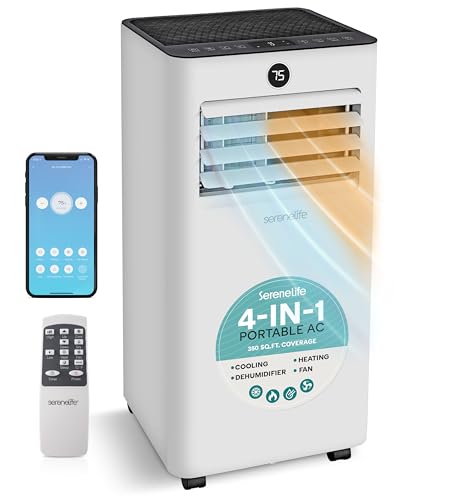
| Window AC + Portable Heater | Single rooms, temporary setups, starter-tier budget approach | Entry-tier | Lowest initial outlay; suitable for limited spaces |
Ductless mini-split heat pumps consistently rank as the most economical choice for most homes because they eliminate duct losses, which can account for a significant portion of conditioned air being wasted in traditional ducted systems. They also allow zone control, so you only condition the rooms you use. For a deeper look at this category, see mini split air and heat and mini split system air conditioning.
Central heat pump systems make sense when a home already has well-sealed ductwork. In that case, a single high-efficiency unit can serve the whole house with strong seasonal performance. The HVAC systems for residential guide provides a useful framework for evaluating whole-house options.
Why Heat Pumps Are the Economical Choice
Heat pumps are the cornerstone of economical heating and cooling because they move heat rather than generate it. In cooling mode, a heat pump extracts heat from indoor air and releases it outside. In heating mode, the process reverses, pulling heat from outdoor air and delivering it indoors, even when outdoor temperatures are well below freezing.
This transfer-based approach means a heat pump can deliver several units of heating or cooling for every unit of electricity it consumes. That ratio is expressed through efficiency ratings such as SEER2 for cooling and HSPF2 for heating. Systems with high ratings in both categories are the strongest candidates for economical operation across the full year. You can learn more about these ratings in the guides on what SEER stands for and what HSPF rating means.
Modern inverter-driven heat pumps add another layer of economy. Instead of running at full power and shutting off, they modulate compressor speed to match the load. This steady operation uses less energy, maintains more even temperatures, and reduces wear on components. The guide on whether an inverter AC is worth it explains the operational benefits in detail.
Key Factors in Choosing an Economical System
Proper Sizing
An oversized system cycles on and off frequently, which wastes energy and fails to control humidity well. An undersized system runs continuously and may never reach the desired temperature. A proper load calculation, often called a Manual J calculation, accounts for square footage, window area, insulation, air leakage, and local climate. The guide to sizing an air conditioner walks through the process in plain terms.
Efficiency Ratings
Look for high SEER2 and HSPF2 ratings. Higher numbers indicate greater efficiency, but the right target depends on your climate zone and how much you use the system. In regions with long cooling seasons, cooling efficiency matters more; in cold climates, heating efficiency carries greater weight. The recommended SEER rating guide helps match ratings to climate and usage patterns.
Ductwork Quality
If your home has ducts, their condition matters as much as the equipment. Leaky or poorly insulated ducts can lose a substantial share of conditioned air before it reaches living spaces. Sealing and insulating ducts, or choosing a ductless system, keeps more of the conditioned air where it belongs. The guide on insulated air conditioning ducting covers materials and installation practices.
Climate Suitability
Cold-climate heat pumps now operate reliably in sub-freezing conditions. If you live in a region with extreme winters, confirm that the model you choose is rated for your expected low temperatures. In milder climates, standard heat pumps perform well across the year. The most efficient home air conditioning system guide discusses climate-specific considerations.
Maintenance and Longevity
Even the most efficient system loses performance if filters are clogged and coils are dirty. Regular maintenance protects efficiency and extends service life. The maintenance of HVAC system resource outlines a practical schedule that homeowners can follow.
Mini-Split vs. Central Heat Pump: Which Is More Economical?
The answer depends largely on your home's existing infrastructure. If the home already has well-sealed ductwork, a central heat pump can be the more economical path because the distribution system is in place. If the home lacks ducts or the ducts are in poor condition, a ductless mini-split system often delivers better overall efficiency because it avoids duct losses entirely.
Mini-splits also offer zone control, which means you can condition only the rooms in use. For households that spend most of their time in a few rooms, this can reduce total energy consumption noticeably. Central systems, by contrast, condition the entire connected space. For whole-house comfort, a whole house air conditioning approach with a central heat pump may be preferable.
The most efficient mini split air conditioner guide highlights the top-performing models in that category, while the most energy efficient whole house air conditioner guide covers central options.
Ready to Explore Efficient Options?
Compare top-performing heating and cooling systems and find the right fit for your home's layout and climate.
VIEW RECOMMENDED SYSTEMSFrequently Asked Questions
What is the most economical heating and cooling system for a home?
Ductless mini-split heat pumps are widely considered the most economical heating and cooling system for most homes because they deliver high efficiency, require no ductwork, and provide both heating and cooling from a single unit. They avoid duct losses and allow room-by-room control.
Are heat pumps more economical than traditional furnaces and air conditioners?
Yes. Modern heat pumps move heat rather than generate it, which allows them to deliver several units of heating or cooling for every unit of electricity consumed. This makes them significantly more efficient than separate furnace and air conditioner combinations.
Does a mini-split system work in cold climates?
Cold-climate heat pumps are designed to operate efficiently in sub-freezing temperatures. Many models continue to provide reliable heating well below freezing, making them viable in most climate zones. Check the manufacturer's rated operating range for your expected winter conditions.
How long does it take to recoup the investment in an efficient HVAC system?
The payback period depends on climate, home size, insulation quality, and local energy rates. In many cases, high-efficiency systems recoup their investment within several years through reduced energy consumption. A professional HVAC quote tailored to your home can provide a more precise estimate.
Should I choose a ducted or ductless system?
Choose ductless if your home lacks ducts, has poorly performing ducts, or if you want room-by-room control. Choose ducted if your home already has well-sealed, insulated ductwork and you want a single system to serve the entire connected space.
Continue Learning
Before committing to a system, it helps to understand the broader landscape of efficiency and installation. The most energy efficient AC guide covers cooling-focused efficiency, while the HVAC tax credits and rebates resource explains incentive programs that can offset the investment in high-efficiency equipment. For maintenance planning, the tips and maintenance section offers practical routines. And if you are evaluating specific products, the recommendations page organizes options by use case and efficiency tier.
Finally, if you need help comparing quotes from local professionals, the local HVAC resource and the licensed HVAC guide explain what to look for and what questions to ask before signing a contract.