Mini Split Air and Heat: The Complete Ductless Guide
A mini split air and heat system delivers year-round comfort from a single ductless unit. This guide explains how these systems work, how to size them correctly, what efficiency ratings mean, and how to keep your system running reliably for years.
Why this guide matters: Mini split heat pumps are one of the most versatile comfort solutions available, but choosing the wrong capacity or efficiency tier leads to uneven temperatures, higher energy use, and premature wear. Read this guide before you compare models.
What Is a Mini Split Air and Heat System?
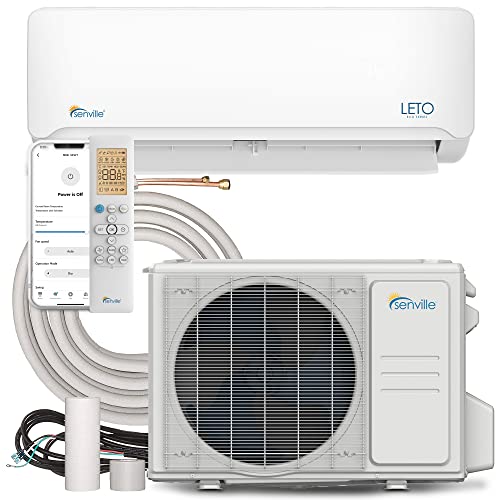
A mini split air and heat system is a ductless heat pump composed of two main parts: an outdoor condenser unit and one or more indoor air handlers. Instead of pushing conditioned air through ductwork, refrigerant lines and a power cable connect the indoor and outdoor components. Each indoor air handler conditions the room it is mounted in, so you can set different temperatures in different zones.
The defining feature is the reversing valve. In cooling mode, the indoor coil absorbs heat from the room and the outdoor unit rejects it. In heating mode, the cycle reverses, and the indoor coil releases heat into the room. This makes a mini split a true two-in-one system rather than a cooling-only appliance. If you want to understand how this compares with conventional equipment, see our overview of split systems and split furnace configurations.
Because there are no ducts, mini splits avoid the energy losses associated with leaky ductwork. That is a major reason they are popular in older homes, additions, converted garages, and sunrooms where routing ducts is impractical. Our guide to mini split system air conditioning covers the cooling side in more depth.
How Mini Split Heat Pumps Work in Heating Mode
In heating mode, the outdoor unit extracts heat from the outside air and moves it indoors. Even cold outdoor air contains usable heat energy, which is why heat pumps remain effective in many climates. As outdoor temperatures drop, the system works harder, and capacity declines gradually. In very cold climates, a cold-climate model or a supplemental heat source may be appropriate.
This operating principle makes mini splits far more efficient than electric resistance heating for most of the year. If you are comparing system types for year-round comfort, our article on the most economical heating and cooling system explains the trade-offs. You can also read about HVAC pump fundamentals and three ton heat pump sizing for larger homes.
Single-Zone vs Multi-Zone Configurations
A single-zone system pairs one outdoor unit with one indoor air handler. It is the simplest and most efficient configuration for a single room, a studio, or an addition. A multi-zone system connects two to five indoor air handlers to one outdoor condenser. Each zone has its own thermostat and can run independently, which is useful for bedrooms, home offices, and living areas with different schedules.
Multi-zone systems add flexibility but also complexity. When only one zone calls for conditioning, the outdoor unit modulates to match that load. Modern inverter compressors handle this well, but oversized multi-zone systems can short-cycle. A careful load calculation for each zone is essential. For whole-home coverage, compare a multi-zone setup with a mini split air conditioner for whole house approach.
Sizing a Mini Split Air and Heat System
Correct sizing is the single most important decision in a mini split project. An undersized unit runs continuously and never reaches the setpoint on design days. An oversized unit cools or heats too quickly, then cycles off, which causes humidity problems in summer and temperature swings in winter. Neither outcome is acceptable.
Professional sizing uses a room-by-room load calculation, typically Manual J. The calculation accounts for square footage, ceiling height, insulation quality, window area and orientation, air infiltration, climate zone, and the number of occupants. A rough rule of thumb of about 20 BTU per square foot exists, but it ignores too many variables to be reliable. Use our sizing an air conditioner guide and the broader mini split estimate resource to plan your project.
Key Sizing Factors
- Room volume: Square footage multiplied by ceiling height, not square footage alone.
- Insulation and air sealing: A well-sealed room needs less capacity than a drafty one.
- Window area and shading: West-facing glass adds significant cooling load.
- Climate zone: Heating capacity matters more in cold climates; cooling capacity dominates in hot ones.
- Occupancy and appliances: Kitchens and home offices generate internal heat.
Efficiency Ratings Explained
Mini split heat pumps carry several efficiency ratings. SEER2 measures cooling efficiency over a season. EER2 measures efficiency at peak conditions. HSPF2 measures heating efficiency over a season. Higher numbers indicate better efficiency, but the right target depends on your climate and how much you rely on heating versus cooling.
Inverter-driven compressors are standard on quality mini splits. They vary speed continuously instead of switching on and off, which improves efficiency, reduces temperature swings, and lowers noise. Our articles on what SEER stands for, EER rating, and HSPF rating explain each metric in detail. If you are weighing inverter technology, read is inverter AC worth it and variable speed AC.
Federal and local incentives can offset part of a high-efficiency installation. Check our guide to HVAC tax credits and rebates before you commit to a model.
Efficiency Tiers at a Glance
| Tier | Best For | Typical Characteristics |
|---|---|---|
| Entry-level | Single rooms, seasonal use, tight installation constraints | Fixed or basic inverter compressor, standard filtration, essential features |
| Mid-range | Primary living spaces, multi-season use | Full inverter modulation, quieter operation, improved filtration, better cold-weather performance |
| Premium | Whole-home comfort, cold climates, noise-sensitive spaces | High-efficiency ratings, enhanced low-temperature heating, advanced controls, premium materials |
Installation Considerations
Mini split installation is more involved than plugging in a window unit. It requires mounting the indoor air handler, positioning the outdoor condenser, running refrigerant lines, connecting condensate drainage, and commissioning the system with a vacuum pump. Proper line set length and flare connections matter for reliability.
Key installation decisions include indoor unit placement (high on a wall, clear of obstructions), outdoor unit placement (shaded, with adequate airflow), and condensate management. A condensate pump on a mini split is often needed when gravity drainage is not possible. Refrigerant line routing and insulation are covered in our guide to the AC refrigerant line set, and evacuation procedure is explained in vacuum pump for AC system.
Permits and licensing vary by jurisdiction. Confirm local requirements before work begins, and ask your contractor about licensed HVAC credentials. Our list of questions to ask installer is a practical checklist for vetting contractors, and HVAC quotes helps you compare proposals fairly.
Maintenance for Long-Term Performance
Mini splits are low-maintenance but not maintenance-free. The indoor filter should be cleaned or replaced every two to four weeks during heavy use. A clogged filter reduces airflow, strains the blower, and degrades efficiency. The indoor coil and blower wheel need periodic cleaning, and the outdoor coil should be rinsed seasonally to remove debris.
Professional service once per year should include refrigerant charge verification, electrical connection inspection, condensate drain clearing, and a check of the reversing valve operation. Skipping service shortens compressor life and can void warranties. Our maintenance of HVAC system guide and tips and maintenance section cover the full schedule. If something goes wrong, start with mini split air conditioner repair.
Common Mini Split Problems and Fixes
Most mini split complaints fall into a few categories: weak airflow, water leaking from the indoor unit, ice on the coils, unusual noise, and failure to heat or cool. Many are caused by dirty filters, blocked drains, or low refrigerant charge. Some are installation errors, such as improper flare connections or insufficient line set insulation.
Before calling a technician, check the filter, confirm the setpoint and mode, and inspect the outdoor unit for obstructions. If the system is not cooling, our troubleshooting articles on AC unit not cooling the house and things to check when AC is not cooling walk through the diagnostic steps. For heating issues, verify the reversing valve is functioning and that outdoor temperatures are within the unit's operating range.
Mini Splits vs Other Comfort Solutions
Compared with window units, mini splits are quieter, more efficient, and far less obtrusive. Compared with central systems, they avoid duct losses and allow zone control, but they require an outdoor unit per zone group and may not suit every floor plan. Compared with portable units, they are more effective and do not consume floor space or require window venting.
If you are deciding between ductless and ducted options, read portable air conditioner vs window and portable air conditioner compared to window units for the smaller end of the market. For whole-home planning, our whole house air conditioning and residential air conditioning overviews put mini splits in context.
Is a Mini Split Air and Heat System Right for You?
A mini split is a strong choice if you need both heating and cooling, want zone control, have no ductwork or want to avoid it, and are prepared for professional installation. It is less suitable if your home already has well-sealed ducts and a central system that meets your needs, or if your climate demands heating capacity beyond what standard heat pumps deliver without a supplemental source.
For long-term planning, consider the system as an investment AC for long term rather than a short-term fix. If you are upgrading an existing home comfort system, compare options in our HVAC systems for residential guide and review most efficient home air conditioning system for efficiency benchmarks.
Frequently Asked Questions
What is a mini split air and heat system?
A ductless heat pump with an outdoor condenser and one or more indoor air handlers. It cools and heats by reversing refrigerant flow through a reversing valve.
How does a mini split provide both air conditioning and heat?
In cooling mode, the indoor coil absorbs room heat and rejects it outdoors. In heating mode, the reversing valve swaps the roles of the coils, so the indoor coil releases heat into the room.
How is a mini split sized for a room?
A proper load calculation such as Manual J accounts for square footage, ceiling height, insulation, windows, climate, and occupancy. A rough 20 BTU per square foot rule exists but is not a substitute for a real calculation.
Can one outdoor unit serve multiple indoor air handlers?
Yes. Multi-zone systems support two to five indoor units on one outdoor condenser, with independent temperature control in each zone.
How often should a mini split be maintained?
Clean filters every two to four weeks during heavy use, rinse the outdoor coil seasonally, and schedule professional service once per year for charge, electrical, and drain checks.
Do mini splits work in cold climates?
Standard models lose capacity as outdoor temperatures drop. Cold-climate mini splits maintain rated capacity to much lower temperatures. In extreme cold, a supplemental heat source may be needed.