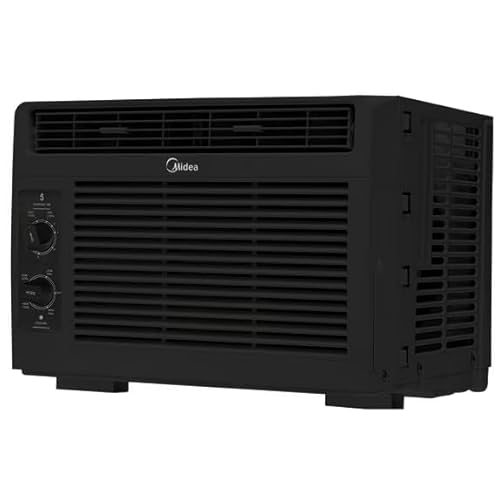
Most Energy Efficient Small Window Air Conditioner
If you need to cool a small room without inflating your electricity usage, this guide walks you through the efficiency ratings, sizing rules, and features that matter most when choosing a small window air conditioner.
Start the GuideResearch-first approach: This page is written for buyers who already know they want a small window air conditioner and are now comparing efficiency. You will find no guesswork here, only clear criteria you can apply before you buy.
Why Efficiency Matters in a Small Window Unit
A small window air conditioner runs for long hours during hot months. Even a modest difference in efficiency can translate into noticeably different electricity usage over a full season. For a room such as a bedroom, a home office, or a studio, the right small window AC should cool quickly, hold a steady temperature, and draw as little power as possible while doing so.
Efficiency in this category is not only about the compressor. It also depends on correct sizing, thermostat precision, fan design, and how well the unit fits the window opening. A unit that is too large for the room will short-cycle, which wastes energy and leaves the room feeling damp. A unit that is too small will run continuously and struggle to reach the set temperature. Getting the size right is the first step toward real efficiency.
If you want a broader view of efficiency across unit types, you can review our guide on most energy efficient AC to compare window units with other cooling options.
What Makes a Small Window AC Energy Efficient
Several technical factors determine how efficiently a small window air conditioner operates. Understanding them helps you filter marketing claims and focus on specifications that actually reduce power draw.
CEER Rating
The Combined Energy Efficiency Ratio combines cooling efficiency and standby power use. A higher CEER indicates a more efficient unit for the same cooling capacity.
Inverter or Variable-Speed Compressor
These compressors adjust speed to match the load instead of cycling fully on and off. The result is steadier temperature and lower average power draw.
Accurate Thermostat
A precise thermostat prevents overcooling. Digital thermostats with programmable timers help the unit run only when needed.
Correct BTU Sizing
An appropriately sized unit reaches the target temperature efficiently. Oversizing and undersizing both reduce real-world efficiency.
Fan and Airflow Design
Efficient fan blades and smooth airflow reduce the energy needed to circulate cold air through a small room.
Sealed and Insulated Cabinet
Good cabinet insulation keeps cooling inside the room and reduces heat gain through the unit itself.
Sizing a Small Window AC for Your Room
Small window air conditioners typically range from 5,000 BTU to about 12,000 BTU. The right size depends on floor area, ceiling height, sun exposure, and the number of people regularly in the room. The table below offers a practical starting point, but always adjust upward for strong afternoon sun or poor insulation.
| Room Size | Suggested Cooling Capacity | Best For |
|---|---|---|
| Up to 150 sq ft | 5,000 - 6,000 BTU | Bedrooms, small offices, studios |
| 150 - 250 sq ft | 8,000 - 10,000 BTU | Larger bedrooms, small living rooms |
| 250 - 350 sq ft | 10,000 - 12,000 BTU | Open-plan small apartments |
For a detailed calculation method, see our guide on sizing an air conditioner and the BTU calculator by room size. If you are unsure whether a window unit or a portable unit suits your space, our comparison of portable air conditioner vs window can help.
Efficiency Tiers in the Small Window AC Category
Small window air conditioners fall into recognizable tiers. Instead of focusing on numeric figures that change frequently, it helps to understand where a model sits in the market and what that means for long-term efficiency.
| Tier | Typical Traits | Best For |
|---|---|---|
| Entry-level | Standard single-speed compressor, basic mechanical or simple digital controls, adequate but not outstanding CEER. | Occasional use in mild climates |
| Mid-range | Improved CEER, digital thermostat, energy-saving mode, better fan design, sometimes a variable-speed compressor. | Daily use in bedrooms or home offices |
| Premium | High CEER, inverter compressor, precise thermostat, quiet operation, smart features, robust cabinet sealing. | Long cooling seasons and heavy daily use |
A mid-range or premium unit is usually a solid choice when the air conditioner will run for many hours each day. Entry-level models can still be efficient in the right room, but they tend to lose ground when demand is high for long periods. If long-term electricity use is your priority, the higher tiers are the worthwhile investment.
Features That Support Real-World Efficiency
Specification sheets tell only part of the story. In daily use, a few practical features make a measurable difference in how much energy a small window AC consumes.
- Programmable timer and sleep mode: lets the unit reduce output or switch off during hours when cooling is not needed.
- Energy Saver mode: cycles the fan with the compressor so the fan does not run continuously.
- Eco-friendly refrigerant: newer refrigerants have lower global warming potential and are part of modern efficient designs.
- Washable filter with reminder: a clean filter maintains airflow, and airflow is directly tied to efficiency.
- Remote or app control: makes it easier to avoid cooling an empty room.
Pair these features with good habits. Our guide on the ideal AC temperature setting explains how small adjustments reduce runtime. You can also read about reducing your AC electricity bill for a broader set of practical steps.
Installation and Maintenance for Peak Efficiency
Even the most efficient small window unit will underperform if it is installed poorly or neglected. Proper installation seals the window opening, supports the unit securely, and keeps the outdoor side free of obstruction.
- Seal gaps around the unit with foam or weatherstripping to prevent cool air from escaping and hot air from entering.
- Shade the outdoor portion of the unit where possible. Our guide on shading an AC unit covers safe methods.
- Clean or replace the filter regularly. See window unit air conditioner maintenance for a simple routine.
- Check the window seal each season, and remove the unit if it will not be used during cooler months.
Maintenance is part of a larger habit. Our maintenance of HVAC system guide covers seasonal checks that apply to window units as well. If you notice the unit running but not cooling, review my air conditioner runs but doesn't cool for troubleshooting steps.
Window AC vs Other Efficient Small-Room Options
Window units remain one of the most practical ways to cool a single small room efficiently. They sit in the window, so they do not take up floor space, and they generally deliver strong cooling relative to their power draw.
Portable air conditioners offer flexibility but often use more energy because of venting losses. Ductless mini-splits are highly efficient and quiet, but they require professional installation. For a quick comparison, see portable air conditioner compared to window units. If you are considering a whole-room approach later, our guide on the most efficient home air conditioning system puts window units in context.
If quiet operation matters as much as efficiency, review quiet and energy efficient air conditioners for models that combine both priorities. For households planning a more permanent cooling solution, a most efficient mini split air conditioner is worth studying as a next step.
Efficiency Incentives and Long-Term Considerations
In some regions, efficient cooling equipment may qualify for incentives. Eligibility rules change, so confirm details before you buy. Our overview of HVAC tax credits and rebates explains the general categories of programs that exist.
If you plan to stay in your home for many years, efficiency gains compound. A small window unit that uses less electricity each season is an efficient long-term investment. For a broader discussion of this idea, read investment AC for long term.
Ready to Compare Efficient Small Window Units?
Use the criteria on this page to evaluate models by tier, CEER, compressor type, and sizing. Then compare features side by side before you decide.
Explore Recommended ModelsFrequently Asked Questions
What makes a small window air conditioner energy efficient?
Energy efficiency depends on the CEER rating, compressor type, thermostat accuracy, and correct sizing. A higher CEER and an inverter or variable-speed compressor typically reduce electricity use per unit of cooling.
What BTU size is best for a small room?
For rooms up to about 150 square feet, a 5,000 to 6,000 BTU unit is usually enough. For 150 to 250 square feet, an 8,000 BTU unit is a common choice. Adjust for sun exposure and insulation.
Does an inverter compressor improve window AC efficiency?
Yes. Inverter compressors vary their speed instead of cycling on and off at full power. This keeps temperatures steadier and lowers average energy use.
Is a higher CEER rating always better?
Higher CEER generally means better efficiency for the same capacity. Balance it with correct sizing, noise level, and features that fit how you use the room.