Portable Air Conditioner Compared to Window Units
A complete, practical comparison of portable air conditioners and window units. Learn how they cool, how they install, which spaces they suit best, and how to decide before you buy.
SEE THE VERDICTQuick summary: Window units generally win on cooling performance and energy efficiency, while portable units win on installation flexibility and portability. Your room layout, window type, and how long you plan to stay in the space should drive the final decision.
How Each Type Cools a Room
Understanding the mechanical difference is the fastest way to predict which unit will perform better in your specific room. Both designs use a compressor, condenser coil, and evaporator coil, but they handle heat rejection differently.
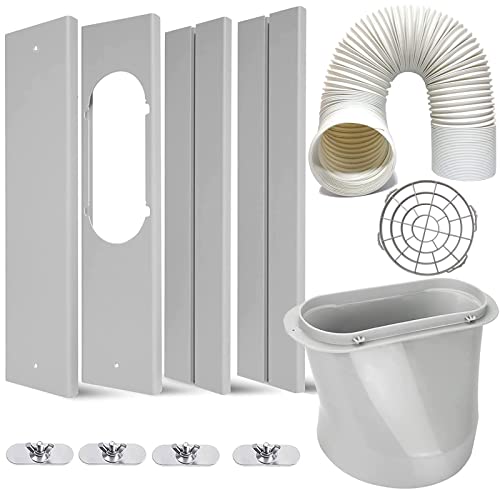
A portable air conditioner sits inside the room and draws indoor air through the evaporator coil to cool it. The absorbed heat is then pushed out through a flexible exhaust hose that must be vented through a window, sliding door, or wall opening. Because the hose travels through the conditioned space, some heat radiates back into the room, and single-hose models also pull in warm replacement air through gaps around doors. Dual-hose portable models reduce this pressure imbalance and cool noticeably better.
A window air conditioner mounts directly in the window frame. Its condenser coil and compressor sit outside the conditioned space, so heat is rejected directly to the outdoors with no exhaust hose loss. This design is why a window unit with a given BTU rating typically feels stronger than a portable unit with the same rating. If you want to dig deeper into the window category, the most efficient window air conditioner guide is a useful next read.
Side-by-Side Comparison
| Factor | Portable Air Conditioner | Window Unit |
|---|---|---|
| Cooling effectiveness | Good for small, enclosed rooms; loses some capacity through the hose | Strong and consistent; heat vented directly outside |
| Energy efficiency | Lower EER/CEER; dual-hose models perform better than single-hose | Higher EER/CEER; generally more efficient per BTU |
| Installation effort | Minimal; window kit and hose only | Moderate; lifting, mounting, and bracket support required |
| Portability | High; wheeled casters allow room-to-room movement | Low; installed semi-permanently in one window |
| Window requirement | Any opening that fits the vent kit, including sliding doors | Double-hung or suitable window frame with proper support |
| Noise level | Higher; compressor and fan are inside the room | Lower indoors; compressor sits outside |
| Space impact | Floor space occupied; needs clearance around the unit | No floor space used; window view partially blocked |
| Best for | Renters, rooms without suitable windows, temporary setups | Long-term cooling, bedrooms, apartments with standard windows |
| Tier positioning | Entry-level to mid-range for most models; premium dual-hose options exist | Entry-level to mid-range; high-end tier inverter models available |
Pros and Cons of Portable Air Conditioners
Portable AC Advantages
- No permanent installation; ideal for renters
- Moves between rooms on casters
- Works with sliding doors and specialty vent kits
- No lifting or window bracket mounting
- Many models include dehumidifier and fan modes
Portable AC Drawbacks
- Lower cooling efficiency than window units
- Single-hose models create negative pressure
- Occupies floor space
- Noisier because the compressor is indoors
- Must drain condensate or use a self-evaporative system
Pros and Cons of Window Units
Window Unit Advantages
- Stronger cooling per BTU rating
- Higher energy efficiency and lower running energy use
- Quieter indoors because the compressor is outside
- No floor space consumed
- Simple mechanical design with durable construction
Window Unit Drawbacks
- Requires a compatible window frame
- Heavy units need support brackets
- Cannot move between rooms
- Blocks part of the window view
- May violate lease or building rules
Energy Efficiency and Long-Term Use
Efficiency is where window units pull ahead clearly. Because the condenser rejects heat directly outdoors, a window unit converts a higher share of its electrical input into room cooling. Portable units, especially single-hose designs, lose capacity to heat radiated from the exhaust hose and to warm air drawn in through gaps. Dual-hose portable models close much of that gap but still trail comparable window units.
If you plan to cool the same room for multiple seasons, a window unit is the more efficient long-term investment. The most energy efficient AC overview explains how EER, CEER, and SEER ratings translate into real running energy use. For short-term or seasonal setups, the efficiency gap matters less because the unit runs fewer hours.
Both types benefit from basic upkeep. Cleaning filters, checking coils, and sealing window gaps all protect efficiency. The window unit air conditioner maintenance guide covers the routine tasks that keep either style running well.
Installation and Placement Considerations
Portable units are the simpler install. You connect the exhaust hose to a window kit, seal the gap, and plug the unit in. No tools beyond a screwdriver are typically needed, and no structural support is required. The tradeoff is that the hose must run to an opening, which limits where the unit can sit and how far it can be from the window.
Window units require more planning. You need a window that opens wide enough, a secure mounting method, and often an external support bracket for heavier models. Building rules and lease terms sometimes restrict window-mounted equipment, so confirm before installing. For a broader look at placement and mounting, see the outside air conditioner unit reference.
For rooms where window installation is not possible, a mini-split air conditioner is a more permanent alternative that avoids both window and floor space, though it requires professional installation.
Noise, Comfort, and Air Quality
Window units are quieter inside the room because the compressor and condenser fan sit outdoors. Portable units place the entire refrigeration cycle in the room, so compressor cycling and fan noise are more noticeable. Premium portable models use sound-dampening and variable-speed compressors to reduce this, but they rarely match a window unit's indoor quietness.
Air quality is similar between the two. Both recirculate and cool indoor air, and both benefit from washable filters. Portable units with a dehumidifier mode can help in damp rooms, while some air conditioners with heaters add a heat pump function for year-round use.
Which One Fits Your Situation?
Choose a portable air conditioner if:
You rent and cannot modify the window, your windows are casement or sliding styles that do not accept a window unit, you need cooling in more than one room across the season, or you want a temporary setup that stores easily. A dual-hose portable model in the mid-range tier is the strongest compromise between portability and cooling performance.
Choose a window unit if:
You have a compatible double-hung window, you plan to cool the same room for several seasons, you want lower running energy use and quieter operation, or you want to free up floor space. A high-end tier inverter window unit gives the best combination of efficiency and comfort in this category.
If neither type suits your home, a ductless system such as a one-ton mini-split or a larger whole-house air conditioning solution is worth evaluating with a licensed installer.
Frequently Asked Questions
Is a portable air conditioner as effective as a window unit?
A window unit generally delivers stronger and more consistent cooling for the same BTU rating because it vents heat directly outside. Portable units are effective for smaller, well-defined spaces but cool less efficiently due to heat gain from the exhaust hose.
Which type is easier to install?
Portable air conditioners are easier to install because they only require a window kit for the exhaust hose. Window units require lifting, secure mounting, and sometimes support brackets.
Can portable air conditioners be used in rooms without windows?
They still need a vent opening for exhaust air, but sliding door kits and wall vent kits give more placement flexibility than window units, which require a suitable window frame.
Are window units more energy efficient than portable units?
Yes. Window units generally carry higher EER and CEER ratings because the heat exchange happens directly outside the room, while portable units lose some cooling capacity through the exhaust hose setup.
Do portable units need to be drained?
Many portable units collect condensate and require manual draining or a continuous drain hose. Self-evaporative models reduce how often you need to drain, but humidity levels affect how well that works.