Quiet and Energy Efficient Air Conditioners: The Complete Buying Guide
Learn how to compare decibel levels, SEER2 ratings, and inverter technology so you can choose an air conditioner that keeps your home peaceful and your energy use low.
START THE GUIDEIf you are researching a new air conditioner, you have probably already noticed that two factors dominate the buying decision: how loud the unit will be and how much energy it will consume over its lifespan. A noisy unit disrupts sleep, work, and conversation, while a low-efficiency unit quietly inflates your monthly electricity usage for years. The good news is that modern engineering has made these two goals highly compatible — the quietest air conditioners are often also among the most energy efficient.
This guide is written for buyers who already know they want an air conditioner and are now narrowing down the technical details. We will walk through the decibel scale in plain language, explain how SEER2 and EER2 ratings translate into real-world efficiency, compare how each AC type performs on noise, and show you exactly which specifications to check before you commit. By the end, you should have a clear shortlist of the right quiet and energy efficient air conditioners for your space.
Why Quiet and Energy Efficient Go Together
Noise and efficiency are both symptoms of the same underlying design. A compressor that runs at a fixed maximum speed and then shuts off creates a sudden burst of noise and consumes a large surge of electricity each time it starts. A compressor that modulates smoothly — the hallmark of variable speed AC and inverter-driven systems — avoids both the noise spike and the energy waste. That is why the best quiet air conditioners tend to sit at the top of efficiency charts as well.
There is also a component-level overlap. Premium quiet units use insulated compressor blankets, rubber vibration isolators, aerodynamically shaped fan blades, and wider airflow paths. Those same components reduce friction and turbulence, which means the fan motor draws less power for the same delivered airflow. In practical terms, when you shop for low decibel operation you are usually also shopping for a most energy efficient AC.
Decibel Guide: What Is Actually Quiet
The decibel (dB) scale is logarithmic, which means a 10 dB increase is perceived as roughly twice as loud. That is why the difference between a 50 dB window unit and a 25 dB mini-split feels far larger than the numbers suggest. Use the reference points below to interpret manufacturer specifications realistically.
| Sound Level | Real-World Reference | Comfort Verdict |
|---|---|---|
| 19–25 dB | Whisper, rustling leaves | Ideal for bedrooms and nurseries |
| 26–35 dB | Quiet library | Excellent for living rooms and home offices |
| 36–45 dB | Soft background conversation | Acceptable for most living spaces |
| 46–55 dB | Normal conversation | Noticeable; better suited to utility rooms |
| 56 dB and above | Busy office or restaurant | Intrusive for sleeping or focused work |
One important caveat: manufacturers usually quote the indoor unit's sound level on its lowest fan speed, measured in a laboratory. Real-world noise includes the outdoor condenser, duct turbulence, and vibration transmitted through walls. When comparing models, look for a published range (for example, 22–48 dB) rather than a single number, and pay attention to the outdoor unit rating if your condenser sits near a bedroom window or a patio.
Energy Efficiency Ratings Explained
Efficiency ratings are the second half of the equation, and they have changed in recent years. The U.S. Department of Energy introduced SEER2 and EER2 metrics to better reflect real-world installation conditions. Understanding the difference between the old and new labels prevents costly confusion when you compare listings.
- SEER2 — Seasonal Energy Efficiency Ratio, updated to account for more realistic duct static pressure. Higher is better; 15+ is high-efficiency, 18–20+ is premium, and inverter mini-splits can exceed 25.
- EER2 — Energy Efficiency Ratio measured at a single peak-load condition. It tells you how efficiently the unit performs on the hottest day, which matters in hot climates.
- HSPF2 — Heating Seasonal Performance Factor, relevant if you choose a heat pump that also cools. Learn more in our HSPF rating guide.
- ENERGY STAR — A certification threshold rather than a metric. An ENERGY STAR certified AC meets a minimum efficiency level set by the EPA.
For a deeper breakdown of how the seasonal metric works, see our explainer on what SEER stands for in air conditioning and our guidance on the recommended SEER rating by climate zone. If you want to understand the single-condition metric, our EER rating guide covers it in detail.
Quietest AC Types Compared
Noise performance varies dramatically by system type, because the compressor and fan placement determine how much sound reaches the room. The table below summarizes typical indoor sound levels and efficiency ranges so you can match a category to your space.
| AC Type | Typical Indoor Noise | Efficiency Tier | Best For |
|---|---|---|---|
| Ductless mini-split | 19–35 dB | Top-tier | Bedrooms, home offices, whole-home zoning |
| Central air (variable speed) | 35–50 dB (via vents) | Premium | Whole-house comfort with ductwork |
| Window AC (inverter) | 40–52 dB | Mid-range | Single rooms, rentals, retrofits |
| Portable AC | 48–58 dB | Entry-level | Temporary or ductless spaces |
Ductless mini-splits are the clear winners for quiet operation. The compressor lives outdoors, and the indoor head uses a large, slow-spinning fan that moves air gently. Premium models from the top tier of the market can drop to 19 dB on their lowest setting — quieter than a whisper. Explore the full category in our ductless mini-split AC guide and see why the most efficient mini-split air conditioner models combine low noise with exceptional SEER2 values.
Central air systems have improved dramatically with variable-speed blowers. A well-designed whole-house air conditioning system with an insulated duct run can be very quiet at the registers, though duct turbulence and blower noise remain the limiting factors. Our guide to the most energy efficient whole house air conditioner covers the top-tier options.
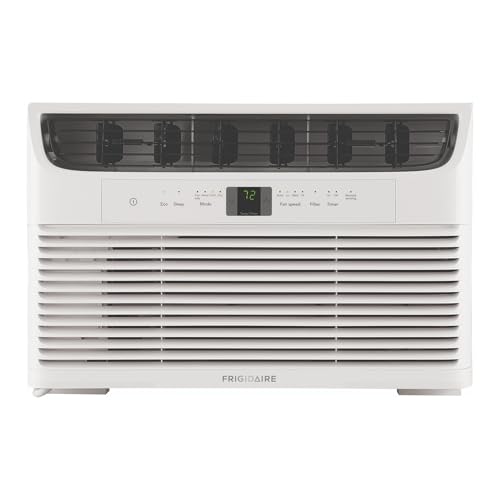
Window and portable units place the compressor in or adjacent to the room, so they are inherently louder. That said, inverter-driven window models have narrowed the gap. See our roundup of the most efficient air conditioner window unit and the quietest most efficient portable air conditioner if you are limited to these formats. The portable vs window comparison is useful for weighing the trade-offs.
Mini-Split: Quietest Overall
Indoor heads as low as 19–25 dB. Best long-term efficiency, but requires professional installation and wall space.
Central: Best Whole-Home Balance
Variable-speed blowers reach 35–45 dB at the vents. Ideal when ductwork is already in place.
Window: Best Retrofit Option
Inverter window units reach 40–45 dB. Choose a model with a vibration-dampening mount.
Portable: Best for Flexibility
Typically 48–55 dB. Prioritize dual-hose designs to reduce compressor load and noise.
How Inverter Technology Reduces Noise and Saves Energy
A conventional non-inverter compressor is either fully on or fully off. When the thermostat calls for cooling, the compressor starts at full speed — the loudest moment in its cycle — then shuts down abruptly once the target temperature is reached. This on/off cycling produces the characteristic rattle and surge that many people associate with air conditioners, and it wastes energy because each startup draws a large current spike.
An inverter compressor instead varies its speed continuously. It ramps up gently, settles into a low, steady speed that precisely matches the cooling load, and avoids the repeated start-stop cycle. The result is a dramatically lower steady-state noise level and meaningfully lower electricity use. The technology is the same one behind inverter electric appliances across the home, and it is worth reading our analysis of whether an inverter AC is worth it if you are weighing the upgrade.
The difference between a split-type and an inverter air conditioner is often misunderstood. Our guide to the difference between split-type and inverter aircon clarifies the terminology, and our variable speed AC overview explains how the compressor and fan work together. If you are planning a long-term purchase, the long-term investment case for efficient AC is a useful read.
Specification Checklist Before You Buy
Use this checklist when comparing listings. It focuses on the specifications that actually determine quiet operation and energy use, rather than marketing claims.
- Indoor sound level range — Look for a published low/high range. A low figure under 30 dB is excellent; under 25 dB is top-tier.
- Outdoor unit sound level — Critical if the condenser sits near a window, patio, or neighbor's property line.
- SEER2 rating — Aim for 15+ for high-efficiency and 18–20+ for premium. Verify the rating is SEER2, not the older SEER.
- EER2 rating — Especially important in hot climates; higher values indicate better peak-load efficiency.
- Inverter compressor — Confirm the listing states an inverter or variable-speed compressor, not just "energy saving."
- Variable-speed indoor fan — Allows the fan to slow down at low load, which is where the quietest operation happens.
- Fan speed settings — More speeds (especially a dedicated "quiet" or "sleep" mode) give you finer control over noise.
- Refrigerant type — Newer R32 and R454B systems are more efficient and have lower global warming potential. See our new refrigerant standards overview.
- ENERGY STAR certification — A quick filter for efficiency, though not a substitute for reading the actual ratings.
- Warranty on compressor — A longer compressor warranty signals confidence in long-term durability.
Installation Factors That Affect Noise
Even a top-tier quiet unit can become noisy if it is installed poorly. Vibration transmitted through a wall or ceiling is often the dominant source of annoyance, not the unit itself. Before installation, discuss the following with your contractor:
- Vibration isolation — Rubber or spring isolators under the outdoor condenser prevent low-frequency hum from traveling into the structure.
- Line set routing — Avoid running refrigerant lines through bedroom walls where possible; if unavoidable, use insulated clips and avoid direct contact with studs.
- Duct design — Oversized, insulated, and gently curved ducts reduce turbulence and airflow noise. See our insulated ducting guide.
- Outdoor placement — Keep the condenser away from bedroom windows and property lines, and ensure adequate clearance for airflow.
- Return air path — A restricted return vent forces the blower to work harder and louder.
Choosing a qualified installer matters as much as choosing the equipment. Our guide on how to choose an HVAC contractor and the questions to ask your installer will help you vet bids. If you need to compare local professionals, start with our HVAC quotes resource and confirm that your contractor is licensed HVAC and insured.
Maintenance for Lasting Quiet and Efficiency
Noise tends to creep in gradually as a system ages, and it is almost always accompanied by a drop in efficiency. A simple maintenance routine keeps both in check. Clean or replace filters every one to three months, depending on household dust and pet hair. A clogged filter starves the blower of airflow, forcing it to run louder and longer.
Clean the outdoor condenser coils annually. Dirt and debris on the coils raise condensing pressure, which makes the compressor work harder and louder. Our AC condenser maintenance guide walks through the process. For window units, a dedicated window unit maintenance routine prevents rattles and ensures the unit stays efficient.
Schedule a professional check before each cooling season. Technicians can tighten electrical connections, check refrigerant charge, and lubricate moving parts — all of which preserve quiet operation and efficiency. Our maintenance of HVAC system overview and tips and maintenance section offer a full seasonal checklist. For mini-splits specifically, the mini-split repair guide explains warning signs before they become expensive problems.
Set your thermostat wisely. Every degree closer to the outdoor temperature reduces compressor run time. Our guide to the ideal AC temperature setting covers comfort and efficiency trade-offs, and using a programmable thermostat with a scheduled setback can meaningfully cut energy use without sacrificing comfort.
Frequently Asked Questions
What decibel level is considered quiet for an air conditioner?
What SEER2 rating should I look for in an energy efficient air conditioner?
Do inverter air conditioners run quieter than non-inverter models?
Which AC type is the quietest for a bedroom?
Does a quieter air conditioner also save energy?
Can I make my existing air conditioner quieter without replacing it?
Is a heat pump as quiet and efficient as a dedicated air conditioner?
Choosing a quiet and energy efficient air conditioner comes down to three things: selecting the right system type for your space, verifying the sound and efficiency specifications rather than trusting marketing labels, and investing in correct installation and routine maintenance. A ductless mini-split in the top-tier range will almost always be the quietest and most efficient choice, but a well-installed central system or an inverter window unit can serve admirably within its category.
If you are still narrowing down the format, our product recommendations hub and the most efficient home air conditioning system overview are useful next steps. For a broader whole-home perspective, the residential HVAC systems guide and most efficient heating and air conditioning systems comparison will help you plan beyond a single room.