Natural Gas Furnace AC Unit: The Complete Combo System Guide
Understand how a gas furnace and air conditioner work together, how to size the system correctly, what installation involves, and which tier of equipment fits your home before you commit to a purchase.
Start With the BasicsWhy this guide matters: A natural gas furnace AC unit is one of the most common residential HVAC setups in North America. It combines a gas-fired furnace for winter heating with a split-system air conditioner for summer cooling, sharing the same ductwork, blower, and thermostat. This guide walks you through how the system works, how to choose the right size, what efficiency ratings mean, and how to plan for installation and long-term upkeep.
What Is a Natural Gas Furnace AC Unit?
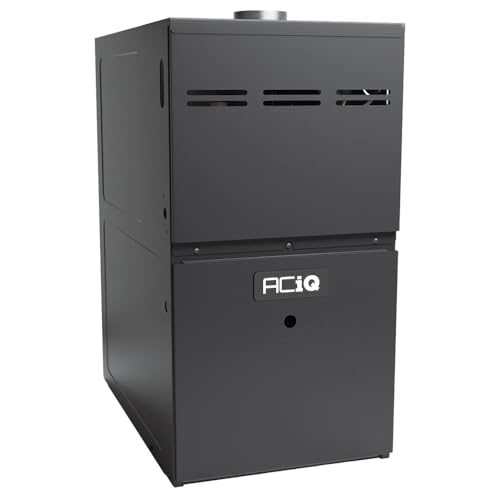
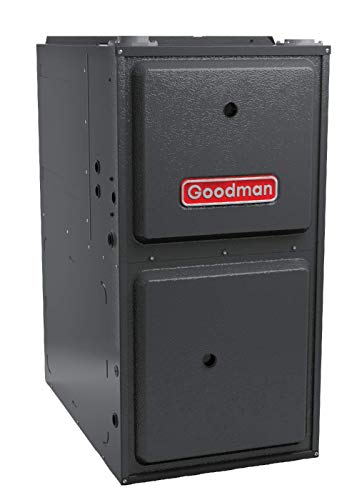
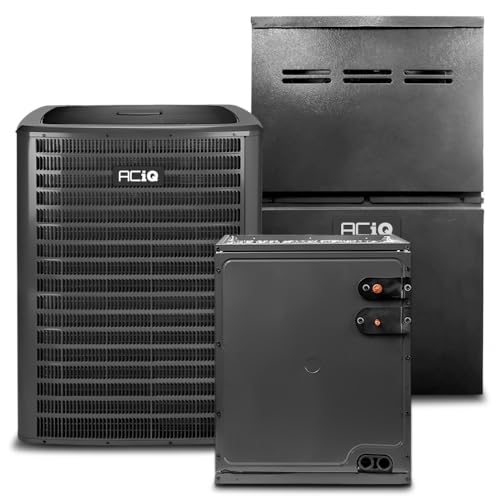
A natural gas furnace AC unit is a paired HVAC system in which a gas furnace handles heating and a separate outdoor air conditioner handles cooling. Both components connect to the same indoor ductwork and are controlled by a single thermostat. When the home needs heat, the furnace ignites natural gas and pushes warm air through the ducts. When the home needs cooling, the outdoor condenser and indoor evaporator coil take over, and the furnace blower circulates the cooled air.
This configuration is sometimes called a "split system" because the heating and cooling components are separate but share the air distribution network. It is distinct from a packaged unit, where everything sits in a single outdoor cabinet, and from a heat pump system, where one unit handles both heating and cooling by reversing the refrigerant cycle.
Homeowners often research this setup when replacing an aging furnace, adding central cooling to a house that previously had none, or upgrading both components at once. If you are evaluating a full system change, the broader HVAC replacement planning guide can help you frame the decision.
How the Combo System Works
The two halves of the system operate independently but rely on shared infrastructure. Understanding the division of labor helps you ask better questions during a consultation and spot problems earlier.
Heating Mode
- The thermostat calls for heat and signals the furnace control board.
- The inducer motor starts, the igniter glows, and the gas valve opens.
- Burners ignite inside the heat exchanger, and the blower pushes air across the hot metal.
- Warm air travels through the supply ducts and returns through the return ducts.
- Exhaust gases vent safely through a flue or PVC pipe, depending on furnace efficiency.
Cooling Mode
- The thermostat signals the outdoor condenser to start.
- Refrigerant absorbs heat from indoor air at the evaporator coil.
- The compressor moves the refrigerant outdoors, where the condenser coil releases heat.
- The same furnace blower distributes cooled air through the ductwork.
- Condensate drains away from the indoor coil through a drain line.
Because the blower is shared, the furnace and air conditioner must be matched in airflow capacity. A mismatched pairing can reduce comfort, shorten equipment life, and waste energy. This is one reason professional load calculation and equipment matching matter more than simply picking the largest available model.
Practical tip: If you are adding cooling to an existing furnace, confirm the furnace blower can handle the airflow required by the new air conditioner. A qualified technician should verify static pressure and blower performance before installation.
Pros and Cons of a Gas Furnace AC Combo
No HVAC configuration is universally best. The right choice depends on your climate, utility setup, ductwork condition, and long-term plans for the home.
| Consideration | Strengths | Trade-offs |
|---|---|---|
| Heating performance in cold climates | Gas furnaces deliver strong heat output even in very low outdoor temperatures. | Requires a gas connection and venting infrastructure. |
| Cooling performance | Dedicated air conditioner is optimized for summer humidity and heat removal. | Outdoor condenser and indoor coil add separate equipment to maintain. |
| Energy source flexibility | Heating runs on natural gas while cooling runs on electricity. | Home is exposed to both gas and electricity rate changes. |
| Equipment lifespan | Furnace and AC can be replaced independently when one reaches end of life. | Two systems mean two maintenance schedules and two potential failure points. |
| Ductwork requirements | Uses standard forced-air ductwork, which many homes already have. | Leaky or undersized ducts reduce performance for both heating and cooling. |
In milder climates, some homeowners compare this setup against a heat pump. The heating and cooling combination overview can help clarify how packaged and combined systems differ when space or ductwork is limited.
How to Size the System Correctly
Sizing is the single most important technical decision in a furnace-plus-AC project. An oversized furnace short-cycles, wears out faster, and creates uneven temperatures. An oversized air conditioner cools too quickly without removing enough humidity, leaving the home clammy. An undersized system struggles during peak weather and runs constantly.
What a Proper Load Calculation Includes
- Square footage and ceiling height of each conditioned room
- Window count, orientation, and glazing type
- Insulation levels in walls, attic, and floors
- Air infiltration and draft pathways
- Occupant count and internal heat gains from appliances
- Local climate design temperatures for heating and cooling
- Ductwork location, condition, and leakage
The industry-standard method is often called Manual J for load calculation, followed by Manual S for equipment selection and Manual D for duct design. A contractor who skips these steps and simply matches the old equipment nameplate is taking a shortcut that can cost you comfort and efficiency for years.
Quick Reference by Home Size
The table below offers a rough starting point only. It is not a substitute for a room-by-room load calculation.
| Home Size (conditioned) | Typical Cooling Capacity Range | Typical Furnace Input Range | Notes |
|---|---|---|---|
| Up to 1,200 sq ft | 1.5 to 2 tons | 40,000 to 60,000 BTU/h | Often suits smaller homes or upper floors with limited duct runs. |
| 1,200 to 2,000 sq ft | 2 to 3 tons | 60,000 to 80,000 BTU/h | Common range for single-family homes in mixed climates. |
| 2,000 to 3,000 sq ft | 3 to 4 tons | 80,000 to 100,000 BTU/h | Duct design and zoning become important at this scale. |
| 3,000 sq ft and above | 4 to 5+ tons | 100,000 BTU/h and above | Multi-zone or multi-system layouts are usually worth evaluating. |
For a deeper walkthrough of the calculation method, see the guide on how to size an air conditioner and the companion resource on BTU calculation by room size.
Efficiency Ratings You Should Know
Furnaces and air conditioners are rated on separate scales. Understanding both helps you compare quotes fairly and estimate long-term operating characteristics.
Furnace Efficiency: AFUE
AFUE stands for Annual Fuel Utilization Efficiency. It expresses how much of the fuel energy becomes usable heat. A furnace rated at 90% AFUE converts 90% of the gas energy into heat and loses about 10% through venting. Modern condensing furnaces typically sit in the high-80s to high-90s, while older atmospheric units may be in the 70s or low 80s.
Air Conditioner Efficiency: SEER2 and EER2
SEER2 is the updated seasonal efficiency metric for cooling, and EER2 measures efficiency at a specific peak condition. Higher numbers indicate more efficient cooling. Federal minimums vary by region, so always confirm the rating required in your area before comparing models. The overview on what a SEER rating means explains how the metric translates to real-world operation.
Why Matching Matters
A high-efficiency furnace paired with a low-efficiency air conditioner will not reach its full potential, and vice versa. The indoor coil, outdoor unit, and blower must be rated to work together. Matching also affects warranty eligibility, since many manufacturers require matched components for full coverage.
Equipment Tiers and What They Offer
Rather than focusing on prices, it helps to understand how the market is structured. The descriptors below are relative and describe positioning within a product lineup, not any specific figure.
Entry-Level Tier
Single-stage furnaces and single-stage air conditioners. These units run at full capacity or off, with a basic thermostat interface. They are a solid choice for mild climates or homes where the system is not used intensively. Construction is durable but simpler than higher tiers.
Mid-Range Tier
Two-stage furnaces and two-stage or variable-speed air conditioners. These systems run at a lower capacity most of the time and ramp up only when needed, which improves comfort and humidity control. Blower motors are often more efficient, and sound levels are lower than entry-level equipment.
Premium Tier
Modulating furnaces and fully variable-speed air conditioners. These systems adjust output in fine increments, delivering the most consistent temperatures and quietest operation in the lineup. They are well suited to multi-zone homes and homeowners who prioritize comfort and long-term efficiency.
Across all tiers, look for durable construction, reinforced cabinet panels, and weather-resistant coating on outdoor units. A well-specified mid-range system is often the balanced choice for homeowners who want strong comfort without moving into the top of the lineup.
Installation Considerations
Installation quality determines how well any furnace-AC combo performs. Two identical systems installed by different crews can behave very differently over a decade of use.
Site and Utility Checks
- Gas supply: Confirm the gas line size and pressure meet the furnace requirements.
- Electrical: Verify the panel can support the air handler, condenser, and any auxiliary components.
- Venting: High-efficiency condensing furnaces need PVC vent runs; standard furnaces need a properly sized flue.
- Condensate: Plan a drain path for the AC coil and, if applicable, the furnace condensate.
- Outdoor pad: The condenser needs clear airflow, a level base, and access for service.
Ductwork Evaluation
Existing ducts should be inspected for leaks, disconnected joints, crushed flex runs, and undersized trunks. Sealing and balancing the ducts often improves comfort more than upgrading equipment. The guide on how to seal air ducts covers the practical steps, and the broader installation planning resource helps you prepare for the project timeline.
Permits and Inspections
Most jurisdictions require a permit for HVAC replacement, especially when gas piping or venting changes. Skipping the permit can complicate insurance claims and resale inspections. The overview on how to get an AC permit explains what to expect.
Choosing a Contractor
Request a written load calculation, a clear scope of work, and a manual explaining thermostat operation and filter maintenance. The comparison of local HVAC contractors versus big-box retailers is useful when weighing service models. Also confirm licensing, insurance, and warranty terms in writing before signing.
Maintenance and Longevity
A furnace-AC combo has two maintenance tracks that should be handled seasonally. Consistent upkeep extends equipment life and preserves efficiency.
Heating Season Tasks
- Replace or clean the furnace filter every one to three months.
- Schedule a professional inspection of the heat exchanger, burners, and venting.
- Test carbon monoxide detectors and confirm they are within their service life.
- Keep the area around the furnace clear of stored items.
Cooling Season Tasks
- Rinse or replace the air filter monthly during heavy use.
- Clear debris from around the outdoor condenser.
- Check the condensate drain for clogs and algae growth.
- Schedule a professional tune-up before the first heat wave.
For step-by-step cleaning instructions, see the guides on how to clean an AC filter and how to clean condenser coils. Homeowners who prefer a structured schedule can ask about a maintenance plan that bundles both furnace and AC visits.
Longevity expectation: A well-maintained gas furnace often serves 15 to 20 years, while the outdoor AC condenser typically lasts 12 to 15 years. Because the cooling side usually ages out first, many homeowners replace the AC once and the furnace once during the life of the home.
Repair vs. Replace Decisions
When one half of the combo fails, the natural question is whether to repair it or replace the whole system. Several factors should guide that decision.
- Age of equipment: A repair on a 15-year-old condenser may be a short-term fix; a repair on a 7-year-old unit is often reasonable.
- Refrigerant type: Older refrigerants are being phased down, which can make repairs on legacy equipment harder to support over time.
- Frequency of failures: Repeated repairs within a short window usually signal that replacement is the more sensible path.
- Efficiency gap: If the existing system is well below current efficiency benchmarks, replacement can improve comfort and reduce energy waste.
- Matching concerns: Replacing only one component of a mismatched system may not restore full performance.
For a structured framework, see the comparison of replacing versus repairing an AC and the overview of replacing a home air conditioner. If the outdoor unit is the failing component, the guide on outdoor AC unit replacement explains what the project involves.
Buying Checklist
Before committing to a natural gas furnace AC unit, work through this list with your contractor. It will help you compare proposals on equal footing.
- Load calculation completed: A room-by-room Manual J or equivalent, not a rule-of-thumb guess.
- Equipment matched: Furnace, coil, and condenser rated to work together, with warranty coverage confirmed.
- Efficiency verified: AFUE for the furnace and SEER2/EER2 for the air conditioner, compared against local minimums.
- Ductwork assessed: Leakage, insulation, and sizing reviewed, with sealing included in the scope if needed.
- Installation details in writing: Venting, gas line, electrical, condensate, pad, and thermostat all specified.
- Permits and inspections: Included and scheduled.
- Warranty terms clear: Labor, parts, and compressor coverage spelled out, including registration requirements.
- Maintenance plan offered: Optional but useful for keeping both systems on schedule.
- References and licensing checked: Verified before signing.
If the project also involves replacing ductwork or adding zones, the overview of HVAC zoning systems can help you decide whether a single system is enough or whether separate zones would serve the home better.
Frequently Asked Questions
What is a natural gas furnace AC unit?
It is a paired system where a gas furnace provides heating and a separate outdoor air conditioner provides cooling, both sharing the same ductwork and thermostat. The furnace blower circulates air for both modes.
Can I replace just the AC and keep my existing furnace?
Often yes, provided the furnace is in good condition, the blower can handle the required airflow, and the new coil is compatible with the existing furnace. A technician should verify static pressure and equipment matching before installation.
How long does a gas furnace and AC combo last?
A well-maintained furnace typically lasts 15 to 20 years. The outdoor condenser usually lasts 12 to 15 years. Because the two sides age differently, homeowners often replace the cooling side once and the furnace once during the life of the home.
Is a gas furnace AC unit more efficient than a heat pump?
It depends on climate. In colder regions, a gas furnace delivers stronger heating output than a standard heat pump. In milder climates, a heat pump can operate more efficiently because it moves heat rather than generating it. Many homeowners in mixed climates choose a dual-fuel setup that combines both approaches.
What size furnace and AC do I need?
The correct size comes from a room-by-room load calculation that accounts for square footage, insulation, windows, air infiltration, and local climate. Rules of thumb based only on square footage are a starting point at best and should not replace a proper calculation.
Ready to Compare Combo Systems?
Review the recommended natural gas furnace AC units below, compare features across tiers, and confirm availability before you finalize your project.
Explore Recommended Units