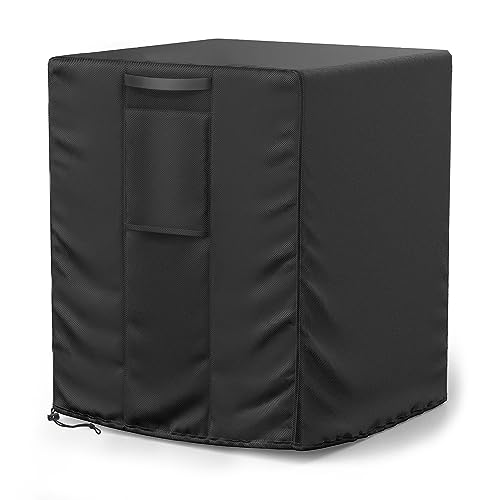
Quick summary: The outdoor condenser is the workhorse of your cooling system—it compresses refrigerant and releases heat. When it fails, the indoor blower may keep running but no cold air is produced. Roughly 70% of outdoor-unit failures trace back to four items: a tripped breaker, a failed run capacitor, a stuck contactor, or a dirty condenser coil. The remaining cases involve refrigerant loss, fan motor failure, or compressor problems that require professional service.
How the Outdoor Unit Works (and Why It Fails)
The outdoor unit—often called the condensing unit—contains three main components: the compressor, the condenser coil, and the condenser fan. Refrigerant arrives from indoors as a warm, low-pressure gas. The compressor squeezes it into a hot, high-pressure gas. The condenser fan pulls outside air across the coil, releasing heat, and the refrigerant condenses into a liquid before traveling back inside through the orifice tube or expansion valve.
Because these three parts are electromechanical, they fail in predictable ways. The compressor draws high current and is protected by a breaker and an internal overload. The fan motor depends on a run capacitor to start and stay at speed. The contactor is a relay that switches line voltage to the compressor and fan. When any of these components degrades, the entire outdoor unit shuts down or runs without producing cooling.
Understanding this chain helps you interpret symptoms. A silent unit with power present points to the contactor or breaker. A humming unit that does not spin points to the capacitor or a seized motor. A spinning fan with no cold air points to refrigerant or compressor issues. If you want a broader overview of outdoor hardware before diving into the fix, read our guide to the outdoor condensing unit and how it pairs with the indoor air handler.
Ten Common Causes of an Outside AC Failure
1. Tripped Breaker or Blown Disconnect Fuse
The outdoor unit has its own double-pole breaker plus a disconnect box near the condenser. A lightning strike, short, or overloaded compressor can trip either. Resetting them is the first step.
2. Failed Run Capacitor
The capacitor gives the fan motor and compressor the electrical phase shift needed to start. A bulging or leaking capacitor is the single most frequent cause of a humming-but-not-spinning condenser.
3. Stuck or Burned Contactor
The contactor bridges line voltage to the compressor and fan. Pitted contacts prevent voltage from passing, while welded contacts keep the unit running constantly. Both require replacement.
4. Dirty Condenser Coil
Cottonwood, grass clippings, and dust blanket the coil fins and block heat rejection. The compressor overheats and trips its internal overload, shutting the whole unit down.
5. Failed Condenser Fan Motor
Bearing wear, moisture intrusion, or a seized shaft stops the fan. Without airflow the refrigerant cannot condense, and the compressor shuts down on high pressure.
6. Low Refrigerant Charge
A slow leak reduces the suction pressure and starves the evaporator coil. The unit runs but produces little cooling, and the compressor may cycle on its low-pressure switch.
7. Compressor Failure
Open windings, a locked rotor, or a failed internal overload leave the compressor silent or tripping the breaker repeatedly. Compressor replacement is a professional job.
8. Thermostat or Control Board Fault
No low-voltage signal reaches the contactor coil, so the outdoor unit never receives the command to start. A blown 3-amp fuse on the control board is a frequent culprit.
9. Clogged Drain Line or Float Switch Trip
Many systems shut down the outdoor unit when the indoor condensate pan fills. A float switch cuts the low-voltage signal as a safety measure.
10. Loose Wiring or Corroded Terminals
Rodent damage, vibration, and corrosion loosen connections inside the disconnect and control compartment. A loose wire can arc and trip the breaker.
Several of these failures appear together. A dirty coil forces the compressor to work harder, which overheats the capacitor and shortens its life. That cascade is why regular coil cleaning is more valuable than any single repair. If you are curious how a sealed, ductless outdoor unit behaves differently from a central condenser, our outdoor unit air conditioner overview explains the distinctions.
Symptom-to-Cause Quick Reference Table
Match what you observe to the most probable cause. This table assumes the indoor air handler is running and the thermostat is set below room temperature.
| What You Observe | Most Likely Cause | Repair Tier |
|---|---|---|
| Outdoor unit completely silent, indoor blower running | Tripped breaker, blown disconnect fuse, or failed contactor | Essential tier to mid-tier repair |
| Unit hums but fan and compressor do not spin | Failed run capacitor or seized fan motor | Essential tier repair |
| Fan spins, compressor does not hum | Failed compressor or open winding | High-end tier repair—often replacement |
| Unit runs briefly then trips the breaker | Shorted compressor, loose wiring, or failing capacitor | Mid-tier diagnostic, variable repair |
| Fan runs, compressor runs, no cold air indoors | Low refrigerant, dirty coil, or restricted airflow | Mid-tier to high-end tier service |
| Unit runs continuously and never shuts off | Welded contactor, low charge, or undersized system | Mid-tier repair |
| Ice on the refrigerant lines | Low refrigerant or restricted airflow | Mid-tier service |
| No power at the disconnect box | Main panel breaker trip or broken feeder wire | Essential tier electrical repair |
Use the tier column as a rough guide to the scope of work, not as a ranking of importance. An essential-tier capacitor swap restores cooling just as effectively as a high-end-tier compressor replacement, but the latter requires refrigerant recovery, brazing, and evacuation. If the diagnosis points to refrigerant loss, our article on outside AC unit fan running but not cooling walks through the leak-checking sequence.
Safe DIY Checks You Can Perform
The following checks require only a screwdriver, a multimeter, and basic caution. Always switch off the thermostat and pull the outdoor disconnect before opening any panel. Never touch the capacitor terminals without discharging them—they hold a lethal charge even after power is removed.
- Confirm the thermostat is calling for cool. Set the mode to Cool and the setpoint at least 5°F below room temperature. Wait five minutes. If the indoor blower does not start either, the problem is upstream in the low-voltage circuit, not the outdoor unit.
- Check the indoor breaker panel. Look for a double-pole breaker labeled "AC" or "Condenser." If it is tripped, reset it once. If it trips again within a minute, stop and call a technician—repeat tripping signals a short or a failing compressor.
- Inspect the outdoor disconnect box. This small gray box mounted near the condenser holds a pull-out handle or a cartridge fuse block. Pull the handle, inspect the fuses for a dark or broken element, and reinsert firmly.
- Listen and observe at the condenser. With power restored, listen for a hum, a click, or silence. Observe whether the fan blades turn. A click followed by silence suggests a contactor pulling in but no voltage passing—a classic burned-contact symptom.
- Inspect the capacitor (with power off and discharged). Remove the service panel and look at the cylindrical capacitor. A bulged top, brown residue, or leaking oil means it must be replaced. Capacitors are matched to the motor, so bring the old one to a parts counter or match its microfarad rating exactly.
- Clean the condenser coil. Switch off power and rinse the coil fins gently from the inside out with a garden hose. Avoid a pressure washer, which bends the fins. Remove leaves and grass from the base of the unit. A clean coil alone restores cooling in many "unit not working" service calls.
- Check the 3-amp low-voltage fuse. On most control boards inside the indoor air handler, a small automotive-style fuse protects the thermostat circuit. A blown fuse means no signal reaches the outdoor contactor. Replace it only after finding the short that blew it.
- Inspect the contactor. With power off, look for pitted, blackened, or welded contacts. A contactor that stays closed even with the thermostat off will run the unit continuously and eventually freeze the indoor coil.
Safety warning: Capacitors store enough energy to cause serious injury. Compressors and contactors operate at 240 volts. If you are not comfortable working inside an electrical panel, perform only the breaker and disconnect checks, then call a professional. The cost of a service visit is far lower than the risk of an electrical accident.
If the fan spins but the unit produces no cold air, the issue is likely refrigerant-side and beyond DIY scope. Our guide on the outside AC unit fan spinning but no cold air explains how technicians use superheat and subcooling readings to confirm a charge problem. Similarly, if the unit is completely dead with no hum at all, the outside AC unit not running checklist covers the low-voltage control path in more depth.
When to Call a Technician
Some repairs are genuinely DIY-friendly: resetting a breaker, replacing a capacitor, cleaning a coil, or swapping a contactor. Others must be handled by a licensed professional because they involve refrigerant, high-voltage compressor circuits, or system-level diagnosis. Call a technician when any of the following apply:
- The breaker trips repeatedly after a reset.
- The compressor hums but does not start, or is completely silent while the fan runs.
- You suspect a refrigerant leak—ice on the lines, hissing, or a unit that never cools.
- The outdoor unit runs but the indoor coil freezes.
- You smell burning insulation or see scorched wiring.
- The system is older and the repair approaches the value of a replacement.
If the diagnosis points to a compressor or a sealed-system leak, replacing the entire condensing unit may be the wiser long-term investment. Our overview of outside AC unit replacement explains how to evaluate repair-versus-replace decisions, and the outside AC unit comes on but not blowing air guide helps isolate airflow problems from refrigeration problems.
Prevention and Maintenance Habits
Most outdoor-unit failures are preventable with a simple seasonal routine. Schedule these tasks each spring before cooling season begins:
- Clear the condenser perimeter. Keep at least two feet of clearance on all sides and remove debris from the top grille.
- Rinse the coil annually. A gentle hose rinse from the inside out removes dust and pollen before it hardens.
- Straighten bent fins. A fin comb restores airflow through crushed sections of the coil.
- Inspect the disconnect and wiring annually. Look for corrosion, rodent damage, and loose lugs.
- Change the indoor filter monthly. Restricted return air forces the compressor to run longer and hotter.
- Schedule a professional tune-up. A technician measures capacitor microfarads, checks refrigerant pressures, and verifies amp draw—values that reveal degrading parts before they fail.
Homeowners in humid climates should pay extra attention to coil condition because biological growth accelerates fouling. Our guide to an outdoor air conditioner for humid climate covers climate-specific maintenance priorities, and the outside air conditioning unit reference explains component layout so you can identify parts during inspection.
If your unit is older and you are weighing a repair against a full system upgrade, the article on new HVAC systems outlines what modern equipment offers in efficiency and reliability. Upcoming refrigerant transitions also matter for older condensers—see our explainer on new refrigerant standards to understand how the phase-down of legacy refrigerants affects replacement planning.