Outdoor Unit Air Conditioner: The Complete Guide
Understand how the outdoor condenser works, where to place it, how to maintain it, and what to do when it stops cooling. A practical reference for homeowners researching before they buy or repair.
START LEARNINGWhy the outdoor unit matters: The outdoor unit is the heart of your cooling system. It houses the compressor, condenser coil, and fan that release heat from your home. A poorly placed or neglected outdoor unit can reduce efficiency, shorten system lifespan, and drive up energy use. Understanding it helps you make informed decisions about installation, maintenance, and replacement.
In This Guide
What Is an Outdoor AC Unit?
The outdoor unit — also called the outdoor condensing unit or condenser — is the large metal box installed outside your home. It works together with the indoor air handler or furnace to move heat from inside your living space to the outside air. In a split-system air conditioner, the outdoor unit contains the compressor, condenser coil, and condenser fan, while the indoor unit contains the evaporator coil and blower.
When warm indoor air passes over the evaporator coil, refrigerant absorbs the heat and carries it to the outdoor unit. There, the compressor raises the refrigerant pressure and temperature, and the condenser fan blows outside air across the condenser coil to release the heat. The cooled refrigerant then returns indoors to repeat the cycle.
Because the outdoor unit operates in sun, rain, debris, and seasonal temperature swings, it is exposed to more wear than any other part of the system. That is why placement, airflow, and routine service have such a large impact on performance and longevity. If you are still comparing system configurations, our guide on new HVAC systems explains how split systems fit into the broader picture.
Key Components Explained
Understanding what is inside the outdoor unit helps you recognize symptoms early and communicate clearly with a technician. Here are the main parts:
- Compressor: The pump that circulates refrigerant and creates the pressure difference needed for cooling. It is the most critical and often the most stressed component in the system.
- Condenser coil: A network of tubes that releases heat absorbed from your home. Dirty coils are a leading cause of reduced cooling capacity and higher energy consumption.
- Condenser fan: Pulls outside air through the coil to speed up heat rejection. A failing fan can cause the compressor to overheat.
- Contactor and capacitor: Electrical parts that start and run the compressor and fan motor. Many "unit won't start" problems trace back to these inexpensive parts.
- Refrigerant lines and service valves: Connect the indoor and outdoor units. Proper line length and insulation matter for efficiency, as explained in our refrigerant line set guide.
- Cabinet and grille: Protect internal parts from weather and debris while allowing airflow. A rust-proof finish and reinforced panels are signs of durable construction.
Some systems also include a crankcase heater, a reversing valve (in heat pumps), and smart control boards. If your system uses a heat pump, the outdoor unit also handles heating in winter, which makes placement and defrost performance even more important.
Types of Outdoor Units
Outdoor units vary by system design, efficiency tier, and application. The table below summarizes the most common categories so you can compare them at a glance.
| Type | Best For | Notes |
|---|---|---|
| Split-system condenser | Most homes with ductwork | Pairs with an indoor air handler or furnace; the most common configuration in the U.S. |
| Heat pump outdoor unit | Year-round heating and cooling | Adds a reversing valve; defrost cycles matter in cold climates. |
| Ductless mini-split condenser | Homes without ducts, room additions | Connects to one or more indoor heads; often mounted on a wall bracket. |
| Packaged unit | Space-constrained homes, rooftops | All components in one cabinet; see packaged air conditioner for details. |
| Inverter condenser | Energy-conscious households | Variable-speed compressor; smoother operation and quieter cycling than non-inverter AC. |
| Commercial-grade condenser | Offices, retail, light industrial | Heavy-duty components and larger coils; designed for longer duty cycles. |
Within each type, products generally fall into entry-level, mid-range, and premium tiers. Premium and top-tier models typically use more robust compressors, better coil coatings, and quieter fan designs. Mid-range units often offer the best balance of durability and features for most households, while entry-level models are well-suited to mild climates and light use.
Placement & Clearance Rules
Where the outdoor unit sits has a direct effect on efficiency and service life. Poor airflow forces the compressor to work harder, which raises energy use and accelerates wear. Follow these guidelines:
- Clearance: Keep at least 24 inches of clear space around the sides and 4 to 6 feet above the unit. Do not box it in with fences, shrubs, or stored items.
- Sun and shade: A shaded location reduces heat load on the coil, but do not sacrifice airflow for shade. Partial shade from a tree is fine as long as debris is controlled.
- Level surface: The pad must be level and stable. A tilted unit strains bearings and can cause refrigerant oil to pool in the wrong place.
- Elevation: Raise the unit slightly above ground to keep it clear of snow, standing water, and lawn clippings.
- Distance from windows and bedrooms: Keep the unit away from windows you open frequently and from bedroom walls where noise is a concern.
- Wall-mounted options: For mini-splits, a secure outdoor wall mounting bracket keeps the condenser off the ground and away from snow.
- Humid climates: In humid regions, ensure drainage paths are clear and consider units rated for humid climate performance.
If you are planning a new installation, review our notes on AC indoor and outdoor placement before finalizing the location. Local code may also impose setbacks from property lines, which is worth confirming with your contractor.
What to Consider Before Buying
Shoppers who research before buying usually end up with a better-matched system. Focus on these factors rather than chasing a single specification:
Outdoor and indoor units must be matched for capacity and refrigerant type. A mismatched combination can void warranties and reduce efficiency. When replacing only the outdoor unit, confirm compatibility with the existing indoor coil and metering device, such as an orifice tube or TXV.
Higher-tier outdoor units generally use more efficient compressors and larger coils. In hot climates with long cooling seasons, a high-end tier unit can be a worthwhile long-term investment. In mild climates, a balanced mid-tier model is often the sensible choice.
New refrigerant standards are reshaping the market. Learn how new refrigerant standards affect compatibility and future service availability before committing to a model.
Check decibel ratings if the unit will sit near a patio or bedroom. Compact footprints help in tight side yards, but never shrink clearance to fit a smaller pad.
Compressor warranties vary widely. A strong local service network matters as much as the warranty paperwork. Review our guide on AC warranty explained to understand what is typically covered.
Even a premium unit underperforms if installation is rushed. Proper brazing, evacuation, and charge verification are essential. Our article on common AC installation mistakes lists pitfalls to watch for, and our HVAC contractor selection guide helps you vet installers.
Maintenance Checklist
Routine maintenance is the most reliable way to protect the outdoor unit. A few simple habits go a long way:
- Clear debris monthly: Remove leaves, grass clippings, and lint from the cabinet and coil. Gently rinse the coil with a garden hose after powering the unit off.
- Trim vegetation: Keep plants at least two feet away and prune back branches that drop leaves onto the unit.
- Inspect the pad: Check that the concrete pad or bracket remains level and free of cracks.
- Check the fan: With power off, spin the fan blade by hand. It should turn freely without wobble.
- Schedule professional service: An annual tune-up checks refrigerant charge, electrical connections, and capacitor health. See our seasonal AC checklist for a full seasonal plan.
- Replace filters indoors: A clogged indoor filter strains the entire system, including the outdoor compressor. Follow our guidance on when to replace AC filters.
If you prefer to handle more tasks yourself, our guides on cleaning AC filters and cleaning condenser coils walk through the safe steps. Avoid using a pressure washer on the coil, which can bend fins and reduce airflow.
Common Problems & Fixes
Many outdoor unit problems share recognizable symptoms. The table below maps symptoms to likely causes and next steps.
| Symptom | Likely Cause | Next Step |
|---|---|---|
| Unit won't turn on | Tripped breaker, failed capacitor, or bad contactor | Check the breaker; call a technician if it trips again. See outside AC unit not running. |
| Fan runs but no cold air | Low refrigerant, dirty coil, or compressor issue | Review fan running but not cooling. |
| Fan spinning but no cold air indoors | Refrigerant leak or indoor airflow problem | See fan spinning but no cold air. |
| Unit comes on but no airflow | Fan motor or blade failure | Read comes on but not blowing air. |
| System not cooling at all | Multiple possible causes | Start with AC not blowing cold air. |
| Noisy operation | Loose panels, worn bearings, or debris | See our guide on AC making noise. |
| Unit not working after storm | Electrical surge or water intrusion | Review outside air conditioner not working. |
Some issues are safe to investigate yourself, such as a tripped breaker or debris on the coil. Refrigerant work and electrical repairs require a licensed technician. Our guide on when to call an HVAC technician helps you decide. For a broader diagnostic walkthrough, read outside air conditioner fan running but not cooling.
When to Replace the Outdoor Unit
Repair versus replace is a common dilemma. Consider replacement when:
- The compressor has failed and the system is more than 10 to 12 years old.
- Repairs exceed half the typical installed cost of a new unit (the "50% rule").
- Refrigerant is no longer available or transitioning out under new standards.
- Energy use has climbed noticeably despite regular maintenance.
- Parts are difficult to source for your model.
If you replace only the outdoor unit, confirm compatibility with the indoor coil and refrigerant type. In many cases, replacing the full system is the more reliable long-term path. Our articles on outside AC unit replacement, replace vs repair, and installation cost breakdown provide decision frameworks. For households planning a larger upgrade, see new HVAC system pricing (tier-based overview) and replace vs repair.
Homeowners in older properties without ductwork often choose ductless systems instead. Our guide on older homes with no ducts explains the alternatives.
Ready to Compare Outdoor Unit Options?
Browse our recommended outdoor air conditioner units below, selected for reliability, efficiency tier, and build quality.
VIEW RECOMMENDATIONSFrequently Asked Questions
How much clearance does an outdoor AC unit need?
Allow at least 24 inches on the sides and 4 to 6 feet above the unit. Keep shrubs, fences, and stored items clear so the fan can move air freely. Poor clearance forces the compressor to work harder and shortens its life.
Can I cover my outdoor unit in winter?
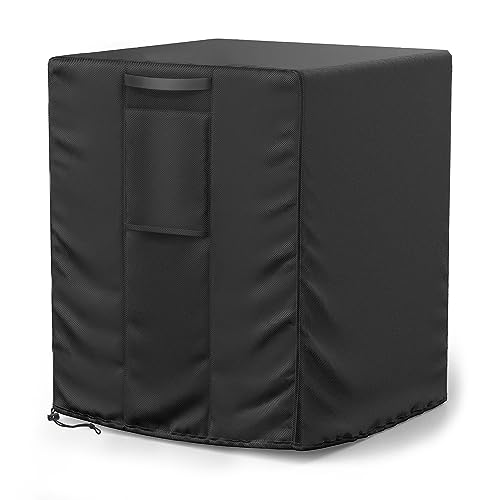
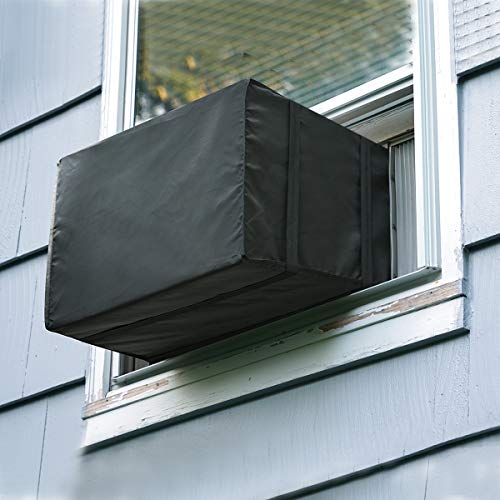
For cooling-only systems in mild climates, a breathable cover can keep debris out during the off-season. Never cover a unit while it is running, and avoid airtight covers that trap moisture. Heat pumps run in winter and should not be covered during heating season.
Why is the outdoor unit fan running but the air inside is warm?
This usually points to low refrigerant, a dirty condenser coil, or a compressor problem. Start with the checklist in our article on fan running but not cooling, then call a technician if the issue persists.
How often should the outdoor unit be serviced?
Once per year, ideally in spring before the cooling season. An annual tune-up checks refrigerant charge, electrical connections, capacitors, and coil cleanliness. Homeowners who follow a seasonal AC checklist tend to catch small issues before they become failures.
Can I install an outdoor unit myself?
Refrigerant handling is regulated and requires certification in most jurisdictions. Electrical connections and line-set brazing also demand specialized tools. For safety and warranty reasons, professional installation is strongly recommended. Our guide on choosing an HVAC contractor helps you evaluate installers.
Does the outdoor unit need shade?
Partial shade can reduce heat load on the coil and improve efficiency slightly, but airflow matters more than shade. Never enclose the unit to create shade, and keep debris from trees out of the cabinet.
What is the difference between an outdoor unit and a condenser?
In everyday use, the terms are interchangeable. Technically, the condenser is the coil and fan assembly inside the outdoor cabinet. The outdoor unit is the complete assembly, including the compressor, condenser coil, fan, and electrical controls.
Final Thoughts
The outdoor unit is often out of sight, but it deserves attention. Good placement, routine maintenance, and informed buying decisions protect your system and keep cooling reliable through the hottest months. If you are comparing replacement options, review our outside AC unit replacement guide and our new HVAC systems overview to understand what to expect. For troubleshooting, our outside air conditioning unit resource covers additional scenarios. When in doubt, consult a licensed technician before attempting repairs that involve refrigerant or electrical components.