Portable 12 Volt Air Conditioner: The Complete Guide
Discover how 12V portable air conditioners work, where they deliver the most value, and how to choose the right unit for vehicles, off-grid cabins, and compact spaces.
Why this guide matters: A portable 12 volt air conditioner is a specialized cooling solution that behaves very differently from a household plug-in unit. Before choosing one, it helps to understand power requirements, ventilation needs, and the real-world cooling limits of 12V systems. This guide walks you through each factor so you can decide with confidence.
In This Guide
What Is a Portable 12 Volt Air Conditioner?
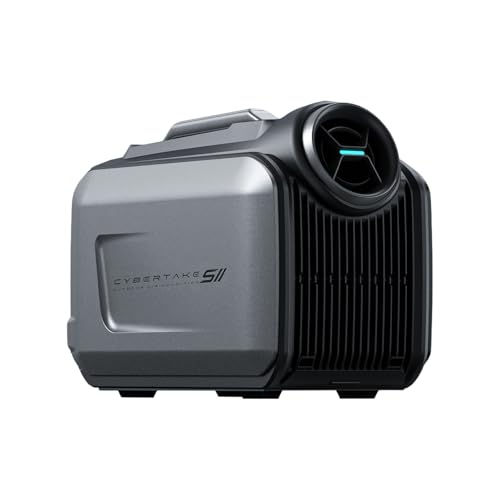
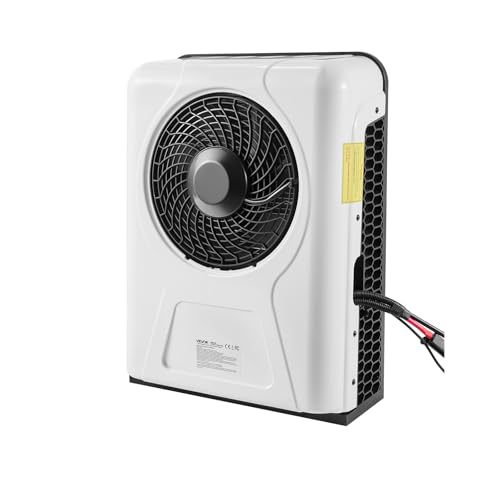
A portable 12 volt air conditioner is a compact cooling appliance engineered to run on a 12V direct current (DC) power source. Unlike conventional household air conditioners that plug into 120V or 240V alternating current outlets, 12V units are built for mobility and off-grid use. They typically connect to a vehicle battery, a solar-charged battery bank, or a portable power station.
These units are most often used in environments where standard power is unavailable or impractical: truck sleeper cabs, camper vans, travel trailers, boats, small off-grid cabins, and temporary work sites. Their cooling capacity is intentionally modest, matching the power budget available from a 12V system. If you are exploring broader off-grid options, you may also want to review off-grid cooling solutions and off-grid solar AC setups to understand how 12V units fit into a larger cooling strategy.
It is important to set realistic expectations. A 12V portable air conditioner is not a replacement for a central system or a large window unit. It is a targeted cooling tool for a defined space, and it works best when the space is small, well-insulated, and enclosed.
How 12V Portable Cooling Works
Most compressor-based portable 12 volt air conditioners operate on a vapor-compression cycle, just like a conventional air conditioner, but with a DC-powered compressor. Refrigerant is compressed, circulated through a condenser coil to release heat, then expanded through an evaporator coil to absorb heat from the incoming air. A fan pushes cooled air into the space, while a separate exhaust path carries heat away from the condenser.
Because the compressor is the primary power consumer, the efficiency of a 12V unit is closely tied to compressor design and inverter electronics. High-end tier models often use variable-speed or inverter-driven compressors to reduce startup current and smooth out power draw. Entry-level models tend to use fixed-speed compressors that are simpler but draw a sharper surge when cycling on. For a deeper look at compressor behavior across the market, see the comparison of inverter AC versus fixed-speed designs.
A second category of 12V cooling devices uses evaporative (swamp cooler) technology. These units draw air across a wet pad and rely on evaporation to lower temperature. They are lighter and simpler but only effective in dry climates. If humidity is a factor in your location, the article on outdoor air conditioner for humid climate explains why evaporative cooling falls short in moist air.
Where 12V Air Conditioners Shine
The value of a portable 12 volt air conditioner is highest when the cooling target is compact and the power source is mobile. Below are the environments where these units are most commonly deployed and most effective.
RVs, Campers, and Trailers
12V units are a natural fit for recreational vehicles because they can run directly from the house battery system. They are often used to cool sleeping areas or cab spaces without firing up a generator. Pairing a compact 12V unit with a portable AC unit for a tent or a portable air conditioner for camper trailer setup covers a wide range of mobile living scenarios.
Trucks and Sleeper Cabs
Long-haul drivers frequently use 12V cooling to keep sleeper cabs comfortable during mandatory rest periods without idling the engine. These units are designed to tolerate vibration and temperature swings typical of over-the-road use.
Off-Grid Cabins and Tiny Homes
In cabins powered by solar and battery storage, a 12V air conditioner can provide spot cooling in a bedroom or living area. The article on off-grid cooling covers system-level planning for these installations.
Boats and Marine Use
Marine-rated 12V units are built with corrosion-resistant components and are used to cool cabins and berths while anchored or underway. They share the same core technology as land-based units but with added environmental protection.
For spaces that lack a window entirely, the article on portable air conditioner for a room without windows discusses alternative venting strategies that also apply to 12V units.
Key Features to Compare
Because 12V air conditioners are a specialized category, the feature set that matters most is different from what you would evaluate in a standard household unit. The table below organizes the most important comparison points.
| Feature | Why It Matters | What to Look For |
|---|---|---|
| Cooling Capacity | Determines how much space the unit can effectively cool. | Match capacity to the cubic footage of the target space, not the whole floor plan. |
| Power Draw (Amps/Watts) | Directly affects how long the unit can run on a battery bank. | Compare running amps and startup surge against your battery and inverter limits. |
| Compressor Type | Influences efficiency, noise, and startup current. | Inverter-driven compressors are smoother; fixed-speed units are simpler. |
| Ventilation Method | Heat must be expelled for the unit to cool effectively. | Check whether the unit needs a window vent, wall vent, or ducted exhaust. |
| Noise Level | Important in sleeping areas and small enclosed spaces. | Look for decibel ratings and fan speed options. |
| Build Quality | Units in vehicles face vibration, dust, and temperature swings. | Prefer durable construction, reinforced housings, and weather-resistant coatings. |
| Drainage | Condensation must be managed, especially in humid conditions. | Self-evaporative designs reduce manual draining; check the article on portable AC that doesn't need to be drained for context. |
Power Planning and Battery Considerations
The single most common mistake buyers make with a portable 12 volt air conditioner is underestimating the power requirement. A 12V unit may seem modest on paper, but continuous operation over several hours places a real demand on a battery bank. Planning the power side before choosing a unit prevents disappointment.
Start by calculating the amp-hour draw. If a unit draws a given number of amps and you plan to run it for a set number of hours, the product of those two figures gives you the amp-hours consumed. Your battery bank should have enough usable capacity to cover that draw without being discharged below its safe depth. If you are charging with solar, the panel output must be able to replenish the bank during daylight hours.
Inverter losses also matter. Some 12V units run directly on DC, while others require an inverter to convert battery power. Direct-DC units avoid conversion losses and are generally more efficient in a 12V system. If your setup involves solar generation, the guide on off-grid solar AC walks through the generation and storage side of the equation.
Finally, consider startup surge. Compressor-based units draw a brief spike of current when the compressor engages. If your inverter or wiring is sized only for the running load, that surge can trip protection circuits. High-end tier units with soft-start or inverter compressors reduce this risk.
Product Tiers and What to Expect
Portable 12 volt air conditioners fall into recognizable market tiers. Understanding these tiers helps you align expectations with the role the unit will play in your setup. The descriptors below are relative positions within the category, not absolute statements about any specific product.
Entry-Level Tier
Entry-level 12V units prioritize simplicity and portability. They typically use fixed-speed compressors, offer basic fan settings, and are best suited to occasional use in small spaces. Build quality is adequate for light duty, and ventilation requirements are straightforward. These units are a solid choice for buyers testing whether 12V cooling fits their routine.
Mid-Range Tier
Mid-range models add refinements such as quieter fans, more precise thermostat control, and improved drainage. Compressor efficiency is generally better than entry-level, and housings are built to handle more frequent movement. This tier is well-specified for regular use in RVs, trucks, and cabins.
High-End Tier
High-end tier units often feature inverter-driven compressors, soft-start electronics, and premium materials. They deliver smoother power draw, lower noise, and more consistent cooling. For buyers who rely on 12V cooling as a primary comfort solution, this tier represents a worthwhile long-term investment.
Professional-grade and commercial-grade variants exist for marine, fleet, and industrial applications. These units emphasize durability, serviceability, and continuous-duty operation over portability. They are typically specified through specialized dealers rather than general retail channels.
Buying Checklist
Before committing to a specific unit, run through the checklist below. Each item addresses a decision point that buyers commonly overlook.
- Confirm the power source: Verify that your battery bank, wiring, and inverter (if required) can support the unit's running and startup draw.
- Measure the target space: Calculate the cubic footage of the area you intend to cool and compare it against the unit's stated capacity.
- Plan the ventilation path: Identify where the exhaust will vent and confirm that the installation location allows proper airflow.
- Check the drainage approach: Decide whether you need a self-evaporative design or can manage manual draining.
- Evaluate noise tolerance: If the unit will run overnight in a sleeping area, prioritize models with low decibel ratings and multiple fan speeds.
- Review build quality: Look for durable construction, reinforced housings, and finishes suited to your environment.
- Confirm the use case: Match the tier to how often and how long the unit will run. Occasional use and continuous duty call for different specifications.
Ready to Explore Portable 12V Cooling Options?
Browse a curated selection of portable 12 volt air conditioners matched to vehicle, cabin, and off-grid use cases. Compare features side by side and find the unit that fits your power setup.
View Recommended UnitsFrequently Asked Questions
What is a portable 12 volt air conditioner?
A portable 12 volt air conditioner is a compact cooling unit designed to run on a 12V direct current power supply, such as a vehicle battery, solar battery bank, or portable power station. These units are commonly used in RVs, trucks, campers, boats, and off-grid cabins.
Can a 12 volt air conditioner cool a whole room?
Most portable 12 volt air conditioners are designed for small, enclosed spaces such as vehicle cabs, camper sleeping areas, or small cabins. They generally cannot cool a full-size room efficiently, and their cooling capacity is measured in BTU or watts that suit compact areas.
How much power does a 12V portable air conditioner use?
Power draw varies by model and cooling capacity. Entry-level units may draw a few hundred watts, while high-end and commercial-grade units can draw more. Checking the amp-hour requirement against your battery bank capacity is essential before purchasing.
Do portable 12 volt air conditioners need ventilation?
Yes. Most compressor-based 12V air conditioners require exhaust ventilation to remove heat from the condenser. Ventless or evaporative designs exist but function differently. Always check whether a unit needs a window or wall vent.
Are portable 12 volt air conditioners suitable for off-grid use?
Yes, they are a popular off-grid cooling solution when paired with a sufficiently sized battery bank and solar charging setup. Proper planning of power generation and storage is required for continuous operation.
Final Thoughts
A portable 12 volt air conditioner is a purpose-built tool, and it rewards buyers who plan around its constraints. Match the unit to your space, size your power system for continuous operation, and choose a tier that reflects how often you will rely on it. When those three factors line up, a 12V unit can deliver dependable comfort in places where conventional air conditioning is simply not an option.