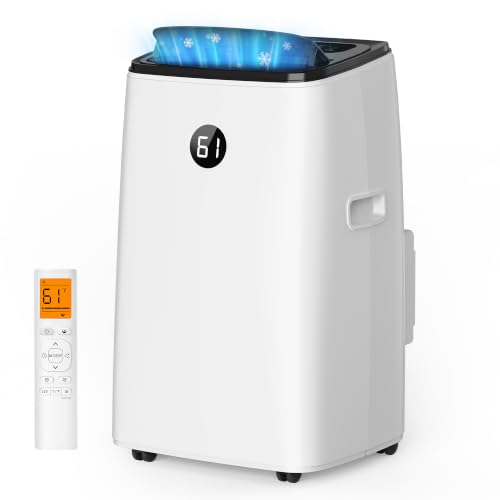
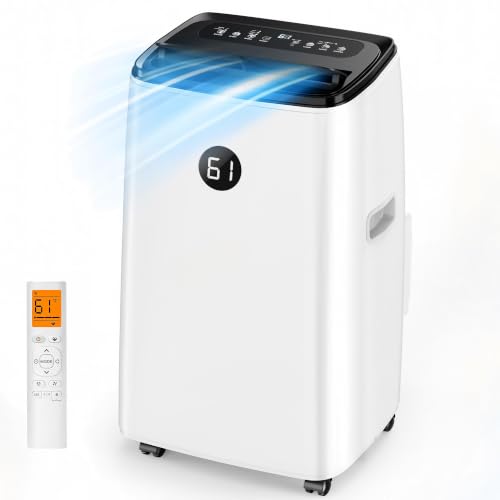
Portable AC Units That Don't Require Venting
Ventless portable coolers offer a no-hose, no-window solution for spot cooling. This guide explains how they work, where they perform well, and how to choose one that matches your space and climate.
Quick answer: Portable AC units that don't require venting are typically evaporative coolers, thermoelectric coolers, or personal cooling devices. They produce no exhaust hose and are easy to place, but they provide localized or spot cooling rather than whole-room refrigeration. They work best in dry climates and small spaces; for humid areas or larger rooms, a vented portable AC is more effective.
Why People Look for Ventless Portable AC Units
Standard portable air conditioners use a compressor and refrigerant, and they must exhaust hot air through a window hose. That hose can be awkward to install, may not fit certain windows, and can let in outside air. Renters, people in apartments with unusual windows, and anyone who wants a simple setup often search for portable AC units that don't require venting.
The trade-off is important to understand: ventless units avoid the hose, but they cool differently. They are not compressor-based air conditioners in the traditional sense. Knowing what they can and cannot do helps you set realistic expectations and choose the right product for your situation.
Types of Ventless Portable Cooling Units
There are three main categories of portable cooling products that do not require an exhaust hose. Each works differently and suits different needs.
| Type | How It Cools | Best For |
|---|---|---|
| Evaporative cooler (swamp cooler) | Draws air through a wet pad; evaporation cools the air | Dry climates, garages, workshops, spot cooling |
| Thermoelectric cooler | Uses a Peltier element to create a cool surface and fan-driven airflow | Personal cooling, small enclosed spaces, deskside use |
| Personal / misting cooler | Fan plus water mist or a cooled surface; very localized | Patios, personal use, short-term relief |
Evaporative Coolers
Evaporative coolers are the most common ventless portable cooling option. They pull warm, dry air through a water-saturated pad, and the evaporation process lowers the air temperature. They add moisture to the room, which is beneficial in dry climates but can feel uncomfortable in humid areas. They are effective for spot cooling and air movement in spaces like garages, workshops, and open living areas. For a broader comparison, see non-window vented portable air conditioner.
Thermoelectric Coolers
Thermoelectric portable coolers use a small solid-state heat pump to create a cool surface, then a fan blows air across it. They are compact, quiet, and need no water or venting, but their cooling capacity is limited. They are best for personal cooling near a desk or bed rather than cooling an entire room.
Personal and Misting Coolers
These are small devices that combine a fan with a misting function or a cooled surface. They provide short-term relief and are popular for patios and personal spaces. They are not intended to replace a room air conditioner.
How Well Do Ventless Portable Units Cool?
It is important to set realistic expectations. Ventless coolers do not use a compressor or refrigerant, so they cannot remove heat from a room the way a traditional air conditioner does. Instead, they cool the air that passes through them and rely on air movement to make occupants feel more comfortable.
In a dry climate, a well-placed evaporative cooler can make a noticeable difference in a small to medium space, especially when windows or doors are cracked for airflow. In a humid climate, evaporative cooling is much less effective because the air is already near saturation. Thermoelectric and personal coolers provide localized comfort but are not designed to cool an entire room. If your goal is to cool a bedroom or living room in a humid area, a vented portable AC or a window unit is usually the better choice. For related options, see room air conditioner that doesn't need venting.
How to Choose the Right Ventless Portable Cooler
Focus on the cooling type, room size, climate, and the features that matter for your space. Use the table below to compare the main selection factors.
| Factor | What to Check | Why It Matters |
|---|---|---|
| Cooling type | Evaporative, thermoelectric, or personal | Determines how much cooling you can expect and whether moisture is added |
| Climate suitability | Dry vs humid environment | Evaporative coolers work best in dry air; thermoelectric units are climate-neutral but limited |
| Room size | Square footage and openness | Ventless coolers are best for spot cooling, not whole-room cooling |
| Water tank | Capacity and refill interval | Larger tanks mean less frequent refilling; some units need a drain |
| Airflow | CFM rating and fan speeds | Higher airflow improves perceived cooling and air movement |
| Noise level | Decibel rating | Important for bedrooms and home offices |
| Tier | Entry-level, mid-range, premium | Higher tiers often offer better build quality, larger tanks, and quieter operation |
Match the Cooler to Your Climate
If you live in a dry climate with low humidity, an evaporative cooler can be a solid choice for spot cooling. If humidity is high, evaporative cooling becomes less effective and can make the air feel clammy. In that case, a thermoelectric or personal cooler may be more comfortable for close-range use, or you may want to consider a vented portable AC instead. For efficiency-focused options, see most energy efficient portable air conditioner.
Choose a Tier That Fits Your Use
Entry-level ventless coolers are suitable for occasional personal use. Mid-range models typically offer larger tanks, better fan controls, and quieter operation. Premium and top-tier units may include remote controls, timers, and improved cooling pads or heat-exchange surfaces. Choose a tier that matches how often you plan to use the unit and how much space you need to cool. For a buying framework, see HVAC buying guide.
Features Worth Prioritizing
- Adjustable louvers and oscillation for directing airflow where you need it.
- Multiple fan speeds for balancing airflow and noise.
- Timer and remote for convenience in bedrooms and living areas.
- Removable water tank and washable pad for easy maintenance on evaporative models.
- Casters or handles for moving the unit between rooms.
Setup and Placement Tips
Ventless coolers are simple to set up, but placement affects performance. Follow these guidelines to get the most from your unit:
- Place the unit near the area you want to cool. Spot cooling works best when the airflow reaches you directly.
- Provide airflow. For evaporative coolers, crack a window or door to allow air exchange; otherwise humidity can build up.
- Keep the intake and outlet clear. Do not block the front grille or rear intake with furniture or curtains.
- Use on a level surface. This is especially important for units with water tanks to prevent spills.
- Refill and clean regularly. Empty and dry the tank when not in use to prevent odors and mineral buildup.
- Avoid humid rooms. Evaporative coolers perform poorly in bathrooms, kitchens, and basements with high humidity.
If you are comparing ventless options with traditional units, see portable air conditioner you don't have to drain and insulated exhaust hose portable air conditioner for related considerations.
Maintenance and Common Problems
Ventless coolers require simple but regular maintenance. Evaporative models need their pads or filters replaced periodically and their tanks cleaned to prevent mold and mineral scale. Thermoelectric units have fewer consumables but should have their intake filters cleaned to maintain airflow. Common issues include weak airflow from a clogged pad or filter, unpleasant odors from a dirty tank, and water leaks from an overfilled or misaligned tank. Following the manufacturer's cleaning schedule prevents most of these problems.
For general indoor comfort context, see indoor air quality and I need a dehumidifier in my house.
Frequently Asked Questions
Do portable AC units that don't require venting actually cool a room?
Ventless portable coolers—often evaporative coolers or personal cooling units—provide localized cooling and air movement rather than whole-room refrigeration. They work best in dry climates and small spaces, and they cannot match the cooling power of a vented compressor-based portable AC.
What is the difference between a ventless portable cooler and a vented portable AC?
A vented portable AC uses a compressor and refrigerant and must exhaust hot air through a window hose. A ventless portable cooler uses evaporation or a small thermoelectric element and produces no exhaust, but it cools less and is suited to personal or spot cooling.
Are ventless portable AC units good for bedrooms?
They can be useful for personal cooling near a bed in dry climates. For whole-bedroom cooling in humid areas, a vented portable AC or a window unit is usually more effective.
Do ventless portable coolers add humidity to the room?
Evaporative coolers add moisture to the air as they cool, which is why they work best in dry climates. Thermoelectric and personal coolers add little to no moisture but also provide limited cooling.
Can I use a ventless portable cooler in a closed room?
Evaporative coolers need some air exchange to work properly; otherwise humidity rises and cooling effectiveness drops. Thermoelectric units can be used in closed rooms but are only intended for localized comfort.
Ready to compare ventless portable coolers and related cooling options? Browse our recommended products below.
View Recommended ProductsRelated Guides
Non-window vented portable AC Room AC that doesn't need venting Portable AC you don't have to drain Most energy efficient portable AC Insulated exhaust hose portable AC Indoor air quality guide