Indoor Air Quality Guide
Breathe healthier air at home. Learn about common pollutants, ideal humidity levels, ventilation strategies, and the best air quality products for your space.
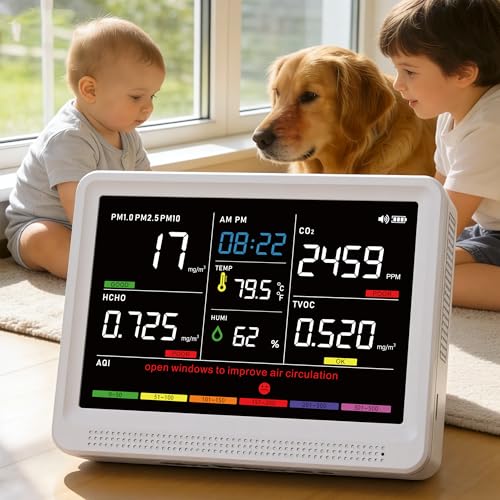
Shop IAQ SolutionsWhy IAQ Matters: According to the EPA, indoor air can be 2–5 times more polluted than outdoor air. Since we spend about 90% of our time indoors, improving your home's air quality is essential for your health and well-being.
What Is Indoor Air Quality (IAQ)?
Indoor Air Quality refers to the condition of the air inside your home or office. It is influenced by a range of factors including indoor air quality pollutants, humidity levels, ventilation, and the presence of allergens. Good IAQ means the air is clean, fresh, and free from harmful contaminants that can cause health issues like allergies, asthma, or respiratory infections.
Key IAQ Factors
Common Indoor Air Pollutants
Understanding the sources of pollution is the first step to improving your indoor air quality. Here are the most common pollutants found in US homes:
Biological Contaminants
Mold, mildew, bacteria, viruses, dust mites, and pet dander thrive in damp or poorly ventilated areas. They can trigger asthma and allergies.
Solution: Use a dehumidifier to maintain proper humidity and improve ventilation.
Chemical Pollutants
Volatile Organic Compounds (VOCs) are emitted from paints, cleaning supplies, air fresheners, and furniture. Long-term exposure can cause respiratory issues.
Solution: Use low-VOC products, increase ventilation, and consider an air purifier with activated carbon filter.
Ideal Humidity Level for a Healthy Home
Maintaining the right humidity is crucial for both comfort and health. The EPA recommends keeping indoor relative humidity between 30% and 50%. What is a good humidity level for home? Here's why it matters:
Use a hygrometer to monitor your home's humidity. If you live in a humid climate, a whole-home dehumidifier or a portable unit can help. If your area is dry, consider a humidifier to add moisture to the air.
Ventilation: The Key to Fresh Air
Proper ventilation helps dilute and remove indoor pollutants. Modern homes are built tighter for energy efficiency, which can trap pollutants inside. Consider these ventilation strategies:
Pro Tip: Upgrade Your HVAC
Your HVAC system buying guide should include a high-quality MERV 13+ filter to capture airborne particles. Consider adding an air purifier or UV-C light to kill bacteria and viruses.
Air Purifiers and Dehumidifiers: Which One Do You Need?
Both devices serve different purposes. Here's a quick comparison to help you decide:
Air Purifiers
Remove airborne particles like dust, pollen, smoke, and pet dander. Best for allergy sufferers and homes with pets.
Look for: HEPA filter, activated carbon filter for odors, and a CADR rating that matches your room size.
Dehumidifiers
Reduce moisture levels to prevent mold and dust mites. Essential for basements, humid climates, and damp rooms.
Look for: Capacity (pints per day), continuous drain option, and energy efficiency.
Many portable air conditioner dehumidifier combos are available, but dedicated devices often perform better. If you need both cooling and humidity control, consider an AC with built-in dehumidification.
Energy-Efficient IAQ Solutions
Improving indoor air quality doesn't have to increase your energy bills. Here are some tips to stay green and healthy:
When to Call a Professional
If you experience persistent health symptoms, visible mold, or unexplained musty odors, it's time to seek professional help. An HVAC professional can perform a comprehensive IAQ assessment, check your ventilation system, and recommend solutions like whole-home air purifiers, UV lights, or duct cleaning.
Ready to Breathe Easier?
Explore our recommended air purifiers, dehumidifiers, and IAQ products below. Each product is carefully selected to help you create a healthier indoor environment.
Shop IAQ Products