
HVAC Replacement: What to Expect From Start to Finish
A clear, practical walkthrough of the HVAC replacement process — system sizing, efficiency tiers, installation steps, contractor selection, and the decisions that determine long-term comfort and energy performance.
START THE GUIDEWhy this guide exists: Replacing a heating and cooling system is one of the largest home improvement projects most homeowners undertake. The difference between a well-planned replacement and a rushed one shows up in energy use, comfort, and equipment lifespan for the next decade. This guide covers every decision point so you can plan the project with confidence.
Signs It Is Time to Replace Your HVAC System
HVAC systems rarely fail without warning. The challenge is distinguishing a fixable problem from a system that has reached the end of its useful service life. Several signals commonly point toward replacement rather than another repair.
- Frequent repairs: Multiple service visits within a single season suggest the system is no longer reliable, even if each individual fault is fixable.
- Rising energy use: A gradual but persistent increase in energy consumption often reflects declining efficiency in the compressor, coils, or blower.
- Uneven temperatures: Rooms that never reach the thermostat setpoint can indicate a failing system or duct problems that a new installation should address.
- Unusual noises and smells: Grinding, rattling, or musty odors are red flags that warrant a professional inspection.
- Refrigerant leaks: Repeated refrigerant loss points to a sealed-system integrity problem. Older refrigerants such as R22 also face phase-out and availability constraints.
- Age: Most residential systems have a defined expected service life. Once past that point, repair investment becomes harder to justify compared with replacement.
Repair or Replace?
The general rule: if the system is aging, the repair is a major component failure, and the equipment uses an older refrigerant, replacement is usually the more sensible path. A qualified technician can assess the specific case and compare the two options directly.
HVAC System Tiers: Entry-Level to Premium
HVAC equipment is commonly grouped into three broad market tiers. The tiers describe relative position in the market, not specific figures, and the right choice depends on climate, home condition, and how long you plan to stay.
Entry-Level Tier
Single-stage equipment with standard efficiency ratings. Reliable and straightforward, with simpler controls and fewer advanced features. A solid choice for mild climates or shorter ownership horizons.
Entry-LevelMid-Range Tier
Two-stage or variable-speed compressors with better efficiency and quieter operation. The balanced tier for most homes — noticeably better comfort and energy behavior without flagship-tier complexity.
Mid-RangePremium Tier
Fully variable-speed systems with advanced controls, superior humidity management, and quieter operation. Typically paired with smart thermostats and zoning. Best for long-term ownership and demanding climates.
PremiumTier descriptions are relative market positions, not absolute specifications. Always verify actual efficiency ratings and feature sets on the equipment nameplate and specification sheet.
Why Proper Sizing Matters More Than Any Single Feature
An oversized or undersized system will underperform regardless of its efficiency rating. Sizing is determined through a load calculation — often called a Manual J calculation — that accounts for square footage, window area, insulation, ceiling height, climate zone, and occupancy.
What Goes Into a Load Calculation
- Conditioned square footage and ceiling height
- Window size, orientation, and glazing type
- Wall, roof, and floor insulation values
- Air infiltration and duct leakage
- Climate zone and design temperature
- Occupancy and internal heat gains
The Consequences of Incorrect Sizing
An oversized system short-cycles — it reaches the setpoint quickly and shuts off before adequately dehumidifying, leaving the home cool but clammy. An undersized system runs continuously and struggles on design days. Both outcomes waste energy and reduce comfort. Proper sizing is the foundation of every other performance decision.
Ask for the Load Calculation
A professional contractor should provide a written load calculation before recommending equipment. If a bid is based only on square footage or a rule of thumb, ask for the full calculation. It is the single most important document in the replacement process.
Understanding Efficiency Ratings
Efficiency ratings describe how much heating or cooling a system delivers per unit of energy input. Higher ratings generally mean lower operating energy use, but the practical benefit depends on climate, duct condition, and usage patterns.
| Rating | What It Measures | Why It Matters |
|---|---|---|
| SEER2 | Seasonal cooling efficiency | Higher ratings mean less energy used for cooling across a season. The current DOE standard applies to new equipment. |
| EER2 | Cooling efficiency at peak conditions | Reflects performance on the hottest days, which matters in hot climates. |
| HSPF2 | Seasonal heating efficiency (heat pumps) | Determines how efficiently a heat pump delivers heating across a season. |
| AFUE | Annual fuel utilization efficiency (furnaces) | Indicates how much fuel is converted into usable heat versus lost up the flue. |
Standards change over time. Before finalizing equipment, confirm that the selected model meets current DOE efficiency standards, and check whether any local utility rebates or federal tax credits apply to the chosen tier.
The HVAC Replacement Process, Step by Step
A well-run replacement follows a predictable sequence. Understanding each step helps you ask the right questions and spot potential shortcuts.
Assessment and Load Calculation
The contractor inspects the existing system, measures the home, evaluates ductwork, and performs a load calculation to size the new equipment correctly.
Proposal and Equipment Selection
You receive a written proposal with equipment specifications, efficiency ratings, scope of work, and a clear timeline. Compare at least two or three proposals before deciding.
Permitting
Most jurisdictions require a mechanical permit for a full replacement or duct modification. The contractor should pull the permit and schedule inspection.
Removal of Old Equipment
The old indoor and outdoor units are disconnected and removed. Refrigerant is recovered according to EPA regulations and the old equipment is disposed of responsibly.
Installation of New Equipment
The new indoor and outdoor units are set, refrigerant lines are connected, condensate drainage is routed, and electrical connections are completed.
Ductwork Verification
If the existing ductwork is reused, it should be inspected and sealed. Well-sealed ducts are as important as the equipment for overall efficiency.
Commissioning and Testing
The system is charged with the correct refrigerant amount, airflow is verified, and temperatures and pressures are checked against the manufacturer's specifications.
Walkthrough and Documentation
The contractor demonstrates the thermostat, explains maintenance requirements, and provides warranty registration information and the inspection record.
How to Choose the Right HVAC Contractor
Equipment quality matters, but installation quality matters more. A high-tier system installed poorly will underperform a mid-tier system installed correctly. Use a consistent checklist when evaluating bids.
License and insurance: Confirm the contractor holds a valid HVAC license and carries liability and workers' compensation coverage.
Written load calculation: The proposal should be based on a documented load calculation, not a square-footage estimate.
Detailed proposal: The bid should list equipment model numbers, efficiency ratings, scope of work, and a project timeline.
Permit handling: The contractor should pull the permit and schedule inspection. Never accept a bid that skips permitting.
Warranty terms in writing: Clarify labor, parts, and compressor warranty coverage, and whether the warranty is tied to annual maintenance.
References and reviews: Ask for recent local references and read reviews on independent platforms for the contractor's installation work.
Avoid contractors who pressure you to sign immediately, refuse to provide a written load calculation, or quote equipment without a site visit. These are consistent red flags.
Paying for an HVAC Replacement
An HVAC replacement is a significant planned expense. Several approaches help spread the investment over time or reduce the effective amount financed.
Common Payment Structures
- Contractor financing: Many HVAC companies offer promotional financing through third-party lenders. Read the terms carefully — promotional periods and deferred interest can carry steep retroactive rates if not paid in full.
- Manufacturer financing: Some manufacturers offer their own financing programs with terms that may differ from the contractor's third-party options.
- Home equity products: A home equity line or loan may offer competitive terms, but requires equity and carries its own risk profile.
- Utility rebates and tax credits: High-efficiency equipment may qualify for utility rebates or federal tax credits. These reduce the net project amount and should be factored into the plan before finalizing financing.
Long-Term Investment Perspective
Higher-tier equipment typically carries a higher upfront amount but may deliver lower operating energy use over the equipment's service life. When comparing options, weigh the long-term investment alongside the upfront financing terms rather than looking at either in isolation.
After Installation: Protecting Your Investment
Installation day is the start of the system's service life, not the end of the project. A few habits protect comfort and efficiency for the years ahead.
- Change or clean filters on schedule: A clogged filter strains the blower and reduces airflow. Follow the manufacturer's recommended interval and check more often during heavy-use seasons.
- Schedule annual maintenance: A seasonal tune-up keeps refrigerant charge in check, cleans coils, and catches small issues before they become failures. See the seasonal AC checklist for a maintenance framework.
- Seal and insulate ducts: Duct leakage wastes a measurable share of conditioned air. Sealing ducts is one of the highest-return efficiency actions after a new installation.
- Register the warranty: Manufacturer warranties often require registration within a set period. Keep the registration confirmation with your home records.
- Keep the inspection record: The permit inspection record and equipment documentation are useful for warranty claims and future resale.
If you plan to add or expand cooling later, understanding how your new system interacts with supplemental options matters. For example, a homeowner adding cooling to a converted space may evaluate a portable mini split as a targeted supplement rather than replacing the entire central system again.
Ready to Compare Equipment Options?
Once you know your load calculation and efficiency target, the equipment shortlist narrows quickly. The recommended selection below is organized by tier and use case to help you compare.
VIEW RECOMMENDED SYSTEMSCommon HVAC Replacement Mistakes
Most disappointing replacements trace back to a handful of avoidable decisions. Watch for these patterns when reviewing bids.
- Skipping the load calculation: Sizing by square footage alone leads to short-cycling or underperformance. Insist on a documented calculation.
- Choosing equipment by rating alone: A higher-rated system installed on leaky ducts or with incorrect refrigerant charge will not deliver its rated efficiency.
- Reusing failing ductwork without inspection: Ducts should be inspected, sealed, and repaired where needed. A new system connected to a leaking duct network wastes the upgrade.
- Selecting the lowest bid without reviewing scope: Bids that omit load calculations, permits, or commissioning should be compared on scope as well as amount.
- Ignoring warranty conditions: Many warranties require annual maintenance by a licensed technician. Skipping tune-ups can void coverage.
- Delaying the decision until failure: Emergency replacement narrows options and removes negotiating room. Planning before failure gives more control over equipment choice and scheduling.
For homeowners also evaluating smaller-room cooling options, comparing a portable vs window AC setup can clarify whether a supplemental unit is a useful bridge while a full replacement is planned.
Frequently Asked Questions
A straightforward residential HVAC replacement typically takes one to three days, depending on whether ductwork modifications, electrical upgrades, or permit inspections are required. Complex projects involving duct redesign, zoning, or attic air handler relocation can extend the timeline. Your contractor should provide a written schedule before work begins.
Common signals include frequent repairs, rising energy consumption, uneven room temperatures, unusual noises, refrigerant leaks, and an aging system that is past its expected service life. A qualified technician can assess whether repair or replacement is the better path for your situation.
Higher SEER2 and HSPF2 ratings generally translate into lower operating energy use, but the best choice depends on your climate, duct condition, and how long you plan to stay in the home. A properly sized mid-tier or high-end tier system with well-sealed ducts often outperforms a higher-rated system installed poorly.
In most jurisdictions, replacing a full HVAC system or modifying ductwork requires a mechanical permit and inspection. Your contractor should handle the permitting process. Ask for proof that the permit was pulled before installation begins, and keep the inspection record for your home files.
Replacing only the outdoor condenser while keeping the indoor coil and air handler is sometimes possible, but it carries compatibility risk. Refrigerant type, coil design, and expansion valve sizing must match. Many contractors recommend replacing the matched indoor and outdoor components together to preserve efficiency ratings and warranty coverage. Ask your contractor to document compatibility if a partial replacement is proposed.
The Bottom Line
A successful HVAC replacement starts with a proper load calculation and a contractor who documents every step. Equipment tier and efficiency rating matter, but they only deliver their rated performance when the system is sized correctly, ducts are sealed, and the installation is commissioned properly. Plan ahead, compare proposals on scope rather than headline equipment alone, and treat the post-installation maintenance schedule as part of the project.
If you are still in the early research stage, reviewing related topics such as preventive maintenance and HVAC system servicing will help you frame the long-term ownership picture before you commit to a replacement plan.
Recommended HVAC Systems & Components
⚠️ AFFILIATE DISCLOSURE: This website contains affiliate links. As an Amazon Associate, we earn from qualifying purchases. If you make a purchase through these links, we may receive a small commission at no additional cost to you. Read our full affiliate policy.

5KCP39EGS070S 1/4HP AC Condenser Fan Motor Replaces Carrier HC39GE237, 236 | Bryant Payne HC39GE234A 5KCP39EGY823S Genteq #GE3905 AC Motors, 1100RPM 208-230V 48Frame with Capacitor OEM Upgraded LEUNGOO
Check price on Amazon
Filtrete 20x25x1 Air Filter, MERV 5, MPR 300, 6 HVAC Filters | Basic Dust & Lint, 3-Month AC/Furnace Filters, Cleaner Air, Reliable Airflow, (Act. Size 19.69x24.69x0.81 in)
Check price on Amazon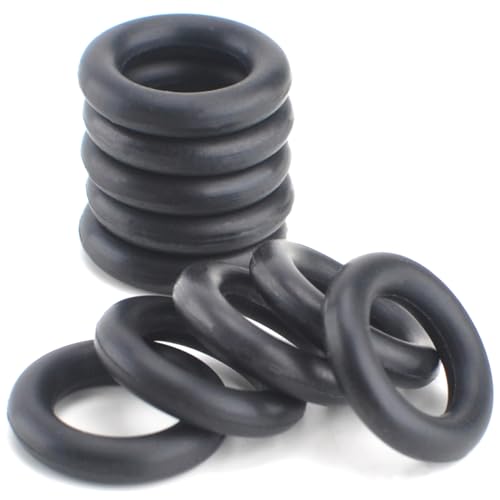
10-Pack 19037 O-Ring Seals Compatible with Yellow Jacket 19109 19209 SealRight 1/4" Quick Couplers, HVAC Refrigeration Hose Fittings Replacement Rubber Gaskets, HVAC Low Loss Fittings
Check price on Amazon
5KCP39BGS069S 1/10HP Condenser Fan Motor Replaces Carrier 5KCP39BGS069S | Bryant Payne HC34GE234 3S001 GE3907 Air Conditioner Motor 1100RPM 208-230V 60HZ 48 Frame with Capacitor OEM Upgraded Leungoo
Check price on Amazon
Filtrete 20x25x4 Air Filter, MERV 12, MPR 1550, 2 HVAC Filters | Allergen, Bacteria & Virus, 12-Month AC/Furnace Filters, Cleaner Air, Reliable Airflow, (Act. Size 19.88x24.63x4.31 in)
Check price on Amazon
VEVOR OEM Upgraded Condenser Fan Motor, 1/4 HP 1100RPM, Replacement for ac GE Genteq Carrier Bryant Payne Dayton, 5KCP39EGS070S, 5KCP39EGY823S, 3905, HC39GE237, 6DLL0, Reversible Rotating + Capacitor
Check price on AmazonDisclaimer
Some of the content on this site uses AI assistance. Information is provided for educational purposes only. We are not responsible for any losses resulting from the use of this information. By using this site, you waive any right to bring legal claims against us arising from your use of the information provided. If you do not agree, please do not use this site. Read the full disclaimer.