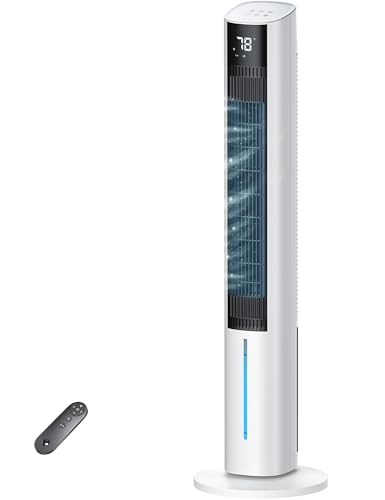
Quiet Portable Air Conditioner for Small Room: The Complete Buyer Guide
Everything you need to know about choosing a whisper-quiet portable AC for compact spaces — noise levels, BTU sizing, placement, and features that actually matter for peaceful cooling.
A portable air conditioner is one of the most practical cooling solutions for small rooms, especially in homes without ductwork or where installing a window unit is not feasible. However, the biggest complaint among portable AC owners is noise. Compressor hum, fan turbulence, and vibration can turn a bedroom or home office into an unpleasant space. That is why the search for a quiet portable air conditioner for small room use has become so common among buyers who value comfort and rest.
This guide is written for buyers who already know they want a portable unit and are now focused on finding one that cools effectively while staying as silent as possible. You will learn how noise is measured, how BTU capacity relates to room size, which features reduce sound output, and how to set up your unit to minimize vibration and airflow noise. By the end, you will have a clear framework for comparing models across the market.
Quick Summary
The quietest portable air conditioners for small rooms typically operate at 40–45 dB on low fan speed. Look for models with 5,000–8,000 BTU for rooms up to 200 square feet, sleep mode, and a variable-speed compressor. Proper venting and a stable placement surface are just as important as the unit's rated noise level.
Why Quiet Operation Matters in a Small Room
In a small room, sound has nowhere to dissipate. A portable AC that seems tolerable in a large living room can feel overwhelmingly loud in a 120-square-foot bedroom. The proximity of the unit to your bed, desk, or sofa amplifies every hum, rattle, and whoosh of air. For light sleepers, a noisy compressor cycling on and off throughout the night can cause repeated awakenings and reduce sleep quality.
Noise also affects daytime concentration. If you work from home or use the room as a study, a constant 55 dB drone — roughly the level of a normal conversation — can make video calls difficult and contribute to mental fatigue. Choosing a unit with a low decibel rating on its quietest setting is therefore not a luxury; it is a practical requirement for small-space comfort.
Beyond the rated noise, consider how the unit behaves in real use. A model that is quiet on low fan speed but rattles when the compressor engages may still disturb you. Reading owner feedback about vibration and cycling noise is often more informative than the manufacturer's lowest decibel figure. If you are comparing options broadly, our guide to the quietest small room portable air conditioner breaks down top contenders by noise profile.
Understanding Portable AC Noise Levels
Portable air conditioner noise is measured in decibels (dB). Because the decibel scale is logarithmic, a 10 dB increase is perceived as roughly twice as loud. This means the difference between a 45 dB unit and a 55 dB unit is significant, not marginal. The table below translates common decibel ratings into everyday comparisons so you can set realistic expectations.
| Decibel Range | Everyday Comparison | Typical Portable AC Scenario |
|---|---|---|
| 30–40 dB | Whisper, quiet library | Rare; only the quietest units on lowest fan |
| 40–45 dB | Soft conversation, quiet bedroom | Best-in-class quiet portable units on low |
| 45–50 dB | Moderate conversation, refrigerator hum | Mid-range quiet models on low-medium |
| 50–56 dB | Normal conversation, background traffic | Most standard portable ACs on medium |
| 56–65 dB | Busy office, vacuum cleaner at distance | High fan speed or compressor-heavy models |
Manufacturers often advertise the lowest possible decibel rating, measured on the quietest fan setting with the compressor idle. In practice, the compressor adds noise when it engages, and higher fan speeds increase airflow sound. A useful strategy is to look for units that stay below 48 dB even on medium fan speed, since medium is what most people use during hot afternoons. For a deeper comparison of low-noise models, see our roundup of the quietest 8000 BTU portable air conditioner, which covers the sweet spot for many small bedrooms.
It is also worth noting that sound quality matters as much as sound quantity. A unit with a smooth, low-frequency hum is often less irritating than one with a higher-pitched whine or intermittent rattles. Dual-fan designs and inverter-driven compressors tend to produce steadier, more tolerable sound profiles.
BTU Sizing for Small Rooms
Getting the BTU capacity right is essential. An undersized unit runs constantly and never quite reaches the set temperature, while an oversized unit cools too quickly, cycles frequently, and leaves the room feeling clammy. Frequent cycling also produces more on-off noise, which undermines the goal of quiet operation. The table below offers starting-point guidance for small rooms.
| Room Size | Recommended BTU | Typical Room Type |
|---|---|---|
| Up to 150 sq ft | 5,000–6,000 BTU | Bedroom, small office, nursery |
| 150–250 sq ft | 8,000–10,000 BTU | Studio, larger bedroom, home office |
| 250–400 sq ft | 12,000–14,000 BTU | Open living area, small apartment |
These figures assume a standard 8-foot ceiling, average insulation, and two occupants. Adjust upward for south- or west-facing windows with direct sun, kitchen heat gain, or rooms with multiple electronic devices. Adjust downward for basements or heavily shaded rooms. If you are unsure, our guide on how to size an air conditioner walks through the calculation in more detail.
There is a quiet-operation advantage to choosing a slightly larger unit and running it on a lower fan speed: the compressor may run less frequently, and the fan noise stays minimal. However, oversizing by more than one step can cause short cycling. Aim for the upper end of the recommended range rather than jumping to the next BTU class.
Key Features That Reduce Noise
Not all quiet portable air conditioners achieve their low noise ratings the same way. Understanding the underlying technology helps you evaluate spec sheets and owner reviews more critically. The following features are the most reliable indicators of quiet performance.
Variable-Speed or Inverter Compressor
Traditional compressors are either fully on or fully off, creating noticeable start-up surges and cycling noise. Inverter compressors ramp up and down smoothly, maintaining temperature with fewer abrupt transitions. This technology is common in higher-tier portable units and is one of the most effective noise reducers.
Dual-Fan Design
Single-fan portable units use one fan to both draw room air across the evaporator and exhaust hot air through the vent hose. Dual-fan designs separate these functions, allowing each fan to run at a lower speed for the same cooling output. The result is less turbulent airflow and a lower overall sound profile.
Sleep Mode and Fan Speed Control
Sleep mode typically reduces fan speed and gradually adjusts the thermostat over several hours. Combined with multiple fan speed settings, this allows you to run the unit at its quietest level during nighttime hours without sacrificing basic comfort.
Sound-Insulated Housing
Some premium models use foam insulation or double-wall construction around the compressor compartment. This does not change the rated decibel figure on the spec sheet, but it reduces the sharp mechanical noises that can make a unit feel louder than its rating suggests.
Self-Evaporative Technology
Self-evaporative systems recycle condensate to cool the exhaust air, reducing or eliminating the need to empty a water tank. While not directly a noise feature, it prevents the gurgling and splashing sounds that occur when a full tank needs draining mid-operation.
Feature Priority for Quiet Operation
If quiet operation is your top priority, prioritize inverter compressor technology and dual-fan design first, then look at sleep mode and fan speed granularity. Housing insulation is a secondary but meaningful differentiator in the premium tier.
Portable AC Tiers: What to Expect at Each Level
Portable air conditioners fall into broad market tiers, each with different trade-offs in noise, build quality, and feature depth. Rather than focusing on specific figures, it helps to understand what each tier generally delivers so you can align your expectations with the product class you are considering.
Entry-Level Tier
Basic cooling with a single fan and mechanical or simple digital controls. Noise levels are typically higher, often 52–56 dB on low. Suitable for occasional use in spaces where quiet is not critical. Good value for its tier if cooling is the only priority.
Mid-Range Tier
Dual-fan designs, programmable timers, and sleep modes become common. Noise drops to roughly 47–52 dB on low, with smoother compressor behavior. This tier offers the best balance of quiet operation and feature depth for most small-room buyers.
Premium Tier
Inverter compressors, sound-insulated housings, and granular fan control. Lowest noise settings reach 40–45 dB, with steadier sound quality. Feature-rich for its class, with smart controls and advanced humidity management. A long-term investment for light sleepers and home offices.
Within the premium tier, differences become subtle. A flagship model may offer app-based scheduling and voice control, while a slightly lower premium model focuses purely on acoustic engineering. Decide which features you will actually use before moving up a tier. For a focused comparison of low-noise models across tiers, our list of the quietest portable air conditioner options is a useful starting point.
It is also worth considering the physical size of the unit. Smaller rooms often have limited floor space, and a compact footprint is easier to place away from seating and sleeping areas. Some premium compact models are specifically designed for tight spaces without compromising on noise reduction.
Placement and Setup Tips for Quieter Operation
Even the quietest portable air conditioner can become noisy if it is set up poorly. Vibration transmitted through the floor, restricted airflow around the unit, and a poorly sealed window vent all increase perceived noise. Follow these guidelines to get the most out of your unit.
- Place the unit on a stable, level surface. A wobbling unit rattles. If the floor is uneven, use a rubber anti-vibration mat under the base. Avoid placing the unit directly on hardwood or tile without some cushioning, as hard surfaces amplify compressor vibration.
- Keep clearance around the intake and exhaust. Blocked airflow forces the fan to work harder and produces more turbulence noise. Maintain at least 12–18 inches of clearance on all sides, especially behind the unit where the exhaust hose connects.
- Seal the window vent kit properly. Gaps around the window panel allow hot outdoor air in and let compressor noise escape — and outdoor noise enter. Use the foam seals included with most kits and consider additional weather stripping for a tighter fit.
- Keep the exhaust hose short and straight. A long, looping hose increases back pressure on the fan, raising noise and reducing cooling efficiency. Position the unit as close to the window as practical.
- Angle the hose slightly downward toward the window. This helps condensate drain properly and prevents gurgling sounds from trapped water in the hose.
- Avoid placing the unit near reflective surfaces. Hard walls and glass can reflect and amplify high-frequency fan noise. A corner placement may concentrate sound; a position along a wall with soft furnishings nearby tends to be quieter.
If you are using the unit in a bedroom, consider running it on a higher setting for an hour before bedtime to cool the room, then switching to the lowest fan speed and sleep mode overnight. This approach leverages the unit's cooling capacity during waking hours while keeping noise minimal during sleep.
Maintenance That Keeps Your Portable AC Quiet
Over time, dust and debris accumulate on filters, coils, and fan blades, causing the unit to work harder and produce more noise. Regular maintenance is one of the simplest ways to preserve quiet operation and extend the life of your portable air conditioner.
Clean or Replace the Air Filter Every Two Weeks
A clogged filter restricts airflow, forcing the fan to run at higher speed and increasing turbulence noise. Most portable AC filters are washable; rinse them with lukewarm water, let them dry completely, and reinstall. If the filter is damaged or permanently discolored, replace it according to the manufacturer's guidance.
Check the Exhaust Hose and Window Seal
Inspect the hose for kinks, cracks, or loose connections. A leaking hose not only reduces cooling efficiency but can also cause the compressor to run longer, increasing noise. Re-seal the window panel if you notice gaps or deteriorating foam.
Drain the Water Tank Promptly
Excess condensate can cause gurgling and splashing sounds, and in some units, water near the fan can create a rhythmic sloshing noise. If your unit is not self-evaporative, empty the tank when the indicator lights up rather than waiting for it to fill completely.
Clean the Coils Annually
Dust on the evaporator and condenser coils reduces heat transfer and forces the compressor to work harder. Follow the manufacturer's instructions for coil cleaning, or have the unit serviced professionally if you are not comfortable disassembling the housing. Our general guidance on professional duct cleaning principles — keeping airways clear and unrestricted — applies conceptually to portable AC maintenance as well.
Tighten Loose Screws and Panels
Vibration can gradually loosen screws and housing panels, leading to rattles. During your cleaning routine, check that all visible fasteners are snug and that panels fit firmly. Do not overtighten, as this can crack plastic housings.
Frequently Asked Questions
How quiet can a portable air conditioner be?
The quietest portable air conditioners operate at around 40 to 45 decibels on their lowest fan setting, comparable to a quiet library or soft conversation. Most standard portable units run between 50 and 56 decibels, similar to a normal conversation or a running refrigerator. For bedroom use, aim for a model rated at 48 dB or lower on medium fan speed.
What BTU size do I need for a small room?
For a small room up to 150 square feet, a portable air conditioner with 5,000 to 6,000 BTU is usually sufficient. Rooms between 150 and 250 square feet typically need 8,000 to 10,000 BTU. Always account for factors like ceiling height, sun exposure, and the number of occupants, and adjust upward if the room has large windows or heat-generating appliances.
Can I sleep with a portable air conditioner running?
Yes, many portable air conditioners include a sleep mode that gradually adjusts temperature and reduces fan speed for quieter operation. Choosing a model rated at 45 decibels or lower on its quietest setting helps ensure restful sleep. Placing the unit on a vibration-absorbing mat and keeping it away from the bed also reduces perceived noise.
Do portable air conditioners need to be vented?
Yes, all portable air conditioners require venting of exhaust heat through a window or wall opening using the included hose kit. Proper venting is essential for efficient cooling and prevents hot air from recirculating into the room. A well-sealed vent kit also reduces noise leakage and keeps outdoor heat from entering.
Why is my portable AC getting louder over time?
Increased noise usually indicates a maintenance issue: clogged filters, dusty coils, a kinked exhaust hose, or loosened screws and panels. Start by cleaning the filter and checking the hose for obstructions. If the noise persists, inspect the fan blades for debris and ensure the unit is sitting level. Persistent mechanical noise may require professional servicing.
Is a dual-hose portable AC quieter than a single-hose unit?
Generally, yes. Dual-hose units separate intake and exhaust airflow, which reduces the workload on the fan and creates a more balanced pressure environment. This often results in lower fan noise and more consistent cooling. However, dual-hose units are less common in the portable market, and a well-designed single-hose unit with a variable-speed compressor can still be very quiet.
Final Thoughts
Finding a quiet portable air conditioner for a small room is a matter of matching BTU capacity to your square footage, prioritizing noise-reducing features like inverter compressors and dual-fan designs, and setting the unit up thoughtfully. The quietest models on the market reach 40–45 dB on low, but proper placement, venting, and maintenance are just as important as the spec sheet.
Use this guide as a framework for comparing options, and explore the related comparisons above for model-specific insights. With the right unit and a little attention to setup, you can keep your small room cool without sacrificing peace and quiet.