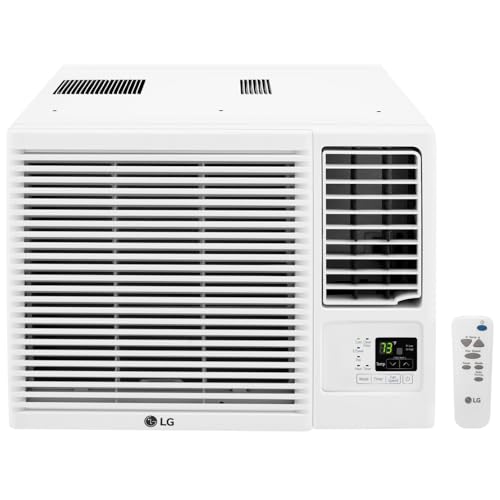
Quietest Window Air Conditioner with Heat: Buyer's Guide
Finding a window AC that cools quietly and heats the room in winter is a balancing act. This guide explains how quiet operation is engineered, how the heating side works, and which features separate a genuinely quiet unit from one that only claims to be.
Explore Recommended ModelsWhy this guide exists: Most window AC buyers focus on cooling capacity, then discover that noise is the biggest day-to-day annoyance. A unit with heat adds a second layer of complexity because the heating mechanism affects both noise and efficiency.
This guide breaks down what actually makes a window AC with heat quiet, how heat pump and electric element models differ, and which features to prioritize for bedrooms, home offices, and year-round comfort.
What Makes a Window AC with Heat Quiet
Quiet operation is not a single feature. It is the result of several design choices working together. A manufacturer can achieve a low decibel rating by investing in any combination of these, which is why two units with similar capacity can sound very different in practice.
Compressor Type
Fixed-speed compressors cycle on and off at full power, producing a noticeable surge of noise each time. Inverter and variable-speed compressors modulate continuously, which smooths out the sound and avoids the loud startup and shutdown cycles.
Sound Insulation
Mid-range and premium units add insulation around the compressor and between the indoor and outdoor sections. This material blocks mechanical noise from reaching the room, especially at low fan speeds.
Fan Design
The indoor fan is the main source of constant noise. A larger, slower-spinning fan moves the same air with less turbulence and less sound. Premium units often use redesigned blades and a lower minimum fan speed.
Airflow Path
Internal ducting and louver design affect how air moves through the unit. A well-engineered airflow path reduces turbulence and vibration, which translates to less noise at the same cooling output.
Sleep Mode
A true sleep mode lowers fan speed over time and reduces compressor cycling. Some units also dim or turn off the display, which removes small but noticeable sounds in a quiet bedroom.
Heating Element Type
Heat pump models add the least noise during heating because they run the compressor in reverse rather than using a separate heating element. Electric element models use resistance coils and a blower, which can add noise during heating.
For a broader comparison of quiet options across form factors, the guide to the quietest air conditioner categories is a useful companion. If you are specifically focused on small rooms, the roundup of the quietest window air conditioner for a small bedroom covers the compact end of the market.
How the Heating Side Works
A window AC with heat includes one of two heating mechanisms, and the difference matters for both efficiency and climate suitability.
Heat Pump Models
A heat pump reverses the refrigerant cycle to move heat from the outdoor air into the room. Because it moves heat rather than generating it, it uses less energy per unit of heat delivered. Heat pump window units are well suited to mild winter climates where outdoor temperatures rarely drop far below freezing. In colder climates, heat output drops as the outdoor temperature falls, and some models rely on a backup heating element.
Electric Element Models
Electric element models use resistance coils to generate heat directly. They work reliably in colder temperatures because their output does not depend on outdoor conditions. The trade-off is that resistance heating uses more energy per unit of heat than a heat pump. For occasional use in a mild climate or as a supplement to a primary heating system, an electric element model is often the simpler choice.
The right choice depends on your winter climate and how much you plan to rely on the heating function. In a mild climate where heating is a secondary need, a heat pump model is usually the more efficient option. In a cold climate where the heating function must carry real load, an electric element model provides more reliable output. Our notes on room air conditioner and heater combination units cover the broader category of combined heating and cooling.
Entry-Level, Mid-Range, and Premium Tiers
Window AC units with heat fall into three broad tiers. The descriptors below compare relative positioning and feature depth so you can set expectations before comparing individual models.
Essential Tier
A starting point for occasional year-round comfort in smaller rooms. Basic cooling and heating with limited sound reduction.
- Fixed-speed compressor
- Electric heating element
- Basic mechanical or digital controls
- Moderate noise at low fan speed
- Standard window bracket
Balanced Tier
The practical choice for bedrooms and home offices. Noticeably quieter operation and more efficient heating.
- Inverter or two-speed compressor
- Heat pump or improved element design
- Sleep mode with dimmed display
- Improved insulation around compressor
- Programmable timer and remote
High-End Tier
Feature-rich units built for genuinely quiet year-round use, with refined controls and better efficiency.
- Full inverter compressor
- Heat pump with low-temperature operation
- Sound-dampening insulation package
- Wi-Fi control and scheduling
- Advanced filtration and air direction control
Mid-range models typically deliver the most balanced experience for a bedroom or home office. They run quieter than entry-level units, handle the heating side more efficiently, and include sleep modes that reduce overnight noise. Premium units make sense when the AC will run overnight in a bedroom, when heating will be used regularly through the winter, or when smart-home integration matters.
Decibel Ratings: What to Look For
Decibel ratings are the most direct way to compare noise, but the number alone is not enough. What matters is the rating at the fan speed you will actually use, which is usually the lowest setting during sleep or work.
| Decibel Range | Perceived Noise | Best Room | What to Expect |
|---|---|---|---|
| Low 40s and below | Very quiet | Bedroom, home office | Barely audible at low speed; compressor cycling is the main sound. |
| Mid 40s | Quiet | Bedroom, living room | Soft background hum; noticeable in very quiet rooms at night. |
| Low 50s | Moderate | Living room, kitchen | Clearly audible; conversation possible but the AC is present. |
| Mid 50s and above | Noticeable | Utility rooms, workshops | Hard to ignore in a quiet space; not ideal for sleeping rooms. |
Look for the decibel rating at the lowest fan speed, not the maximum. Some manufacturers report the lowest possible number under ideal conditions, so compare the same measurement point across models. If the unit offers a sleep mode that gradually lowers fan speed, that mode is the one to evaluate for overnight use.
Key Features to Compare
Once capacity, tier, and decibel rating are settled, the remaining features determine how pleasant the unit is to live with.
Heating Type and Low-Temperature Operation
Confirm whether the unit uses a heat pump or an electric element, and check the lowest outdoor temperature at which the heating function operates. Heat pump models often lose capacity as temperatures drop, while element models maintain output but use more energy.
Sleep Mode and Display Dimming
A sleep mode that lowers fan speed and dims the display makes a real difference in bedrooms. Some units also allow the display to be turned off entirely, which removes a small but noticeable source of light and noise.
Window Compatibility and Bracket
Check the window type, minimum and maximum window width, and whether a support bracket is included. Larger units with heat are heavier than cooling-only models, so a reinforced bracket may be necessary. For unusual window types, see the notes on room air conditioners for casement windows.
Electrical Requirements
Units with heat often draw more current than cooling-only models. Confirm the amperage and whether a dedicated circuit is recommended. Our overview of amps and breaker size for AC units explains how to check your panel capacity.
Filtration and Air Direction
Washable filters and adjustable louvers improve day-to-day comfort. Some premium units add a fresh-air intake or advanced filtration. These features are secondary to quiet operation and heating performance but are worth noting when comparing within the same tier.
Advantages and Limitations
A quiet window AC with heat solves a specific set of problems well. Understanding both sides helps you set realistic expectations.
✔ Advantages
- Year-round comfort from a single unit.
- No separate space heater required in winter.
- Quiet operation at low fan speeds in mid-range and premium tiers.
- Installation is simpler than a mini-split.
- Heating can supplement a central system in shoulder seasons.
✖ Limitations
- Heating output is limited to the room the unit serves.
- Heat pump models lose capacity in very cold weather.
- Electric element models use more energy for heating.
- Heavier units require a reinforced window bracket.
- Quiet operation usually comes at a higher market tier.
If your winter heating needs are substantial, a window AC with heat is best viewed as a supplement rather than a primary heating system. In homes with central heating, a quiet cooling-focused window unit in the bedroom may be the more practical choice, and our guide to the quietest small room window air conditioner covers that path.
Maintenance That Keeps It Quiet
Noise increases over time when maintenance is neglected. A few recurring tasks keep the unit operating at its designed sound level.
- Clean the filter every two to four weeks during heavy use. A clogged filter increases fan effort and noise. Rinse reusable filters and let them dry fully before reinstalling.
- Inspect the window seal and bracket. Vibration and rattle often come from loose mounting rather than the unit itself. Tighten the bracket and seal gaps around the window kit.
- Clean the outdoor coil and fan area. Debris on the condenser coil forces the unit to work harder, which increases compressor noise. A soft brush or coil cleaner handles most buildup.
- Check the indoor fan for dust. A dusty fan blade becomes unbalanced and produces a low hum or vibration. Wipe the blades during seasonal servicing.
- Schedule a seasonal check. The routine in our seasonal AC checklist covers the tasks that keep both cooling and heating performance stable.
If the unit becomes noticeably louder than when it was new despite clean filters and a tight bracket, the cause may be a failing compressor mount or a worn fan bearing. Those are service-level repairs. General guidance on preventive maintenance of air conditioning units explains when professional service is warranted.
Common Buying Mistakes to Avoid
Most disappointing purchases trace back to a few avoidable decisions:
- Comparing decibel ratings at maximum fan speed. The lowest speed is what you will use at night. Compare that number.
- Choosing a heat pump model for a cold climate without checking low-temperature performance. Output drops in cold weather; confirm the operating range.
- Ignoring electrical requirements. Units with heat draw more current. Confirm the circuit can handle the load before installation.
- Underestimating weight. A heavier unit needs a reinforced bracket and, in some cases, two people to install safely.
- Skipping maintenance. A neglected unit gets louder over time regardless of its initial decibel rating.
Related Reading
If you are still mapping out your cooling and heating plan, these guides may help clarify adjacent options:
- Quietest air conditioner — a cross-category comparison of quiet options.
- Quietest window AC for a small bedroom — compact models for sleeping spaces.
- Quietest small room window air conditioner — a focused look at the smallest quiet units.
- Quietest 12,000 BTU window AC — larger capacity with quiet operation.
- Room AC and heater combination — combined heating and cooling options.
- Quietest most efficient portable AC — a portable alternative if window installation is not possible.
- Portable vs window AC — how the two form factors compare.
- Amps and breaker size for AC units — electrical planning before installation.
- Seasonal AC checklist — a recurring maintenance routine.
Frequently Asked Questions
What makes a window air conditioner with heat quiet?
Quiet operation comes from a combination of factors: an inverter or variable-speed compressor, sound-dampening insulation around the compressor, a redesigned airflow path, and a low-speed fan mode. Mid-range and premium models usually invest more in these areas than entry-level units, which is why their decibel ratings are noticeably lower.
How does a window AC with heat work?
A window AC with heat includes either a heat pump or an electric heating element in addition to the cooling components. Heat pump models reverse the refrigerant cycle to move heat from outdoors into the room, which is efficient in mild climates. Electric element models use resistance heating, which works in colder temperatures but consumes more electricity.
What decibel level should I look for in a quiet window AC with heat?
For bedrooms, look for a unit rated in the low 40s decibels or below at its lowest fan speed. Mid-40s is acceptable for living rooms. Anything above the low 50s will be noticeable in a quiet room. Check the rating at the lowest speed, not the maximum, because that is the mode most people use at night.
Is a heat pump window AC better than an electric heater model?
A heat pump model is more efficient in mild climates and can move heat rather than generate it, which reduces running energy compared to resistance heating. In climates that regularly drop below freezing, an electric element model provides more reliable heating output. The right choice depends on your winter temperatures and how often you plan to use the heating function.
Do window AC units with heat require special installation?
Most window AC units with heat install the same way as cooling-only models, using a window bracket and support. Some larger or heavier models may require a reinforced bracket or a dedicated electrical circuit. Always confirm the unit's weight, window compatibility, and electrical requirement before installation.