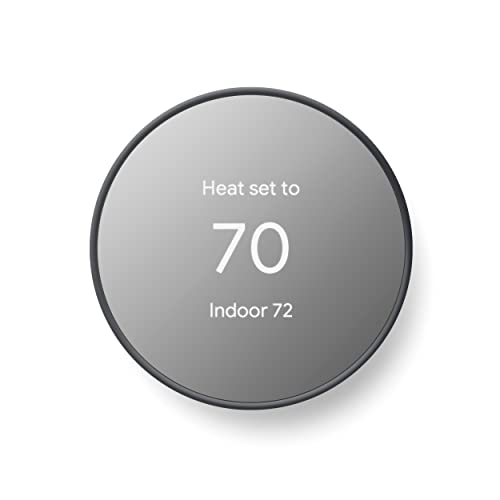
Remote HVAC Thermostat: Smarter Comfort Control for Every Room
Discover how remote and smart HVAC thermostats let you manage heating and cooling from anywhere, improve daily comfort, and make your system easier to live with.
Explore Buying FactorsWhy this guide matters: A thermostat is the control center of your HVAC system. Choosing a remote-capable model affects how easily you can adjust temperature, set schedules, and keep your home comfortable through changing seasons. This guide walks you through the practical details so you can choose with confidence.
What a Remote HVAC Thermostat Actually Does
A remote HVAC thermostat is a control device that lets you monitor and adjust your heating and cooling system without standing in front of the wall-mounted unit. Depending on the model, "remote" can mean a dedicated handheld controller, a smartphone app connected over Wi-Fi, or a web-based dashboard you can open from a laptop or tablet.
The core function is the same as a conventional thermostat: it reads the room temperature, compares it to your setpoint, and tells the HVAC equipment when to run. What changes with a remote-capable model is where and how you interact with it. Instead of walking to a hallway panel, you can adjust settings from the couch, from another floor, or from outside the home.
For households with irregular schedules, multiple occupants, or rooms that heat and cool unevenly, that flexibility can make daily comfort noticeably easier to manage. It also pairs well with modern HVAC equipment that supports finer control over fan speed and staging.
If you are still mapping out your overall system, the broader HVAC recommendations section can help you understand how a thermostat fits into the rest of your setup.
How Remote Control and Smart Connectivity Work
Remote thermostats generally fall into two connectivity styles: local remote control and network-based remote control. Local remote control uses a dedicated handheld device or an infrared-style link, similar in spirit to a television remote. Network-based control uses your home Wi-Fi to connect the thermostat to a cloud service or a local hub, which then communicates with a mobile app.
Both approaches rely on the same underlying sequence: the thermostat senses temperature, applies your schedule or manual setting, and sends a signal to the HVAC control board to start or stop heating, cooling, or fan operation. The difference is the path that your command takes to get there.
Smart models add scheduling, geofencing, usage reports, and sometimes adaptive learning. These features can reduce the amount of manual adjustment you need to do, but they also depend on a stable network and a compatible HVAC system. A remote control HVAC thermostat guide can help you compare how different connectivity styles behave in practice.
It is also worth understanding how thermostats interact with the rest of the system. If you are planning broader upgrades, the pro HVAC thermostat overview explains what professional-grade control options typically include.
Main Types of Remote HVAC Thermostats
Remote-capable thermostats are not a single category. They differ in how they connect, how much automation they offer, and how well they fit different HVAC systems. The table below summarizes the main types so you can match a category to your needs.
| Tier | Type | Best For | Remote Control Style |
|---|---|---|---|
| Essential tier | Programmable remote thermostat | Simple schedules and basic handheld control | Dedicated remote or basic app |
| Balanced tier | Wi-Fi smart thermostat | App control, voice assistants, and daily scheduling | Smartphone app and cloud dashboard |
| Top-tier | Learning smart thermostat | Households that want adaptive schedules and usage insights | App, geofencing, and automatic adjustments |
| Professional-grade | Zoning-capable remote thermostat | Multi-zone homes and complex HVAC setups | App plus zone-level remote sensors |
Each tier reflects a different balance of control, automation, and installation complexity. Entry-level programmable models are usually straightforward to set up and work well for predictable routines. Mid-range Wi-Fi models add app control and voice integration. High-end learning models add adaptive behavior, while professional-grade zoning thermostats are designed for homes with multiple HVAC zones and more demanding control requirements.
If you are weighing a basic programmable unit against a connected model, the programmable thermostat reference is a useful starting point, and the programmable thermostat for heating and cooling guide explains how scheduling behaves across seasons.
Key Factors When Choosing a Model
Buying a remote thermostat is mostly about fit: fit with your HVAC system, fit with your home's wiring, and fit with how you actually live. The following factors tend to matter most.
System compatibility
Confirm support for your equipment type, including conventional systems, heat pumps, and multi-stage units. Compatibility details are the most common source of installation friction.
Wiring and power
Check whether the model needs a C-wire or includes an adapter. Homes without a C-wire may need a power kit, battery-powered model, or a different thermostat choice.
Connectivity reliability
Wi-Fi models depend on a stable network. If your router is far from the thermostat location, consider signal strength before committing to app-based control.
Control interface
Compare the app layout, on-device display, and remote handset ergonomics. A clean interface matters more than a long feature list you will rarely use.
Automation depth
Schedules, geofencing, and adaptive learning vary widely. Decide whether you want set-and-forget behavior or prefer manual control with remote convenience.
Build and display quality
Look for durable construction, readable displays, and responsive touch controls. These details affect daily satisfaction more than spec sheets suggest.
If your home lacks a C-wire, the programmable thermostat without C-wire overview explains the common workarounds. For a broader look at how professional-grade controls differ, the pro AC thermostat reference covers the higher end of the category.
Compatibility and Installation Considerations
Before choosing a model, identify your HVAC equipment type and inspect the existing thermostat wiring. Most remote thermostats list supported system types and required wires in their documentation. Heat pumps, two-stage compressors, and zoned systems often need specific terminal support that basic models may not provide.
Installation itself is usually manageable for a confident DIYer when the wiring matches, but complex setups benefit from professional help. If you are also planning related upgrades, the pro thermostat reference and the remote AC thermostat guide provide additional context on professional-grade options and AC-specific control.
Keep in mind that remote control does not change the fundamentals of HVAC operation. The thermostat still needs accurate temperature sensing and a reliable connection to the control board. A well-matched model installed correctly will outperform a feature-heavy model that is poorly suited to the system.
Practical tip: Photograph your existing thermostat wiring before removing the old unit. Labeled photos make it much easier to match terminals on the new device and reduce the chance of miswiring during installation.
Features Worth Comparing
Feature lists can look similar across models, but the practical differences show up in daily use. The features below are the ones most likely to affect how satisfied you are with a remote thermostat over time.
- Scheduling flexibility: Look for separate weekday and weekend schedules, multiple time blocks, and easy temporary overrides.
- Remote access quality: Check app responsiveness, login reliability, and whether remote changes sync quickly with the device.
- Geofencing: Useful for households with unpredictable schedules, but it depends on reliable phone location services.
- Usage reports: Runtime and trend data can help you spot inefficiencies and adjust schedules with more confidence.
- Voice assistant support: Convenient for quick adjustments, though it should complement rather than replace the app.
- Display and alerts: Clear status indicators and filter reminders reduce maintenance oversights.
Many of these features overlap with general programmable thermostat capabilities. The programmable furnace thermostat guide is a helpful companion if your heating equipment is the primary focus.
Getting the Most From Remote Control
Remote control is most useful when it is paired with a sensible schedule and realistic expectations. Start with a baseline schedule that matches your household routine, then use remote adjustments for exceptions rather than constant manual changes. This keeps the system stable and makes it easier to evaluate whether your settings are working.
Use remote access to make small, timely adjustments: nudging the temperature before you arrive home, adjusting for a unusually warm afternoon, or pausing a schedule when the house is empty. Over time, these small adjustments add up to a more comfortable home without requiring a full smart-home setup.
If you are comparing broader system options alongside your thermostat choice, the air conditioner options overview and the recommendations hub can help you keep the thermostat decision in context with the rest of your HVAC planning.
Frequently Asked Questions
What is a remote HVAC thermostat?
A remote HVAC thermostat lets you monitor and adjust your heating and cooling system from a distance, typically through a smartphone app, Wi-Fi connection, or a dedicated remote control. It provides flexibility to manage home comfort without walking to the wall-mounted unit.
Do remote HVAC thermostats require a C-wire?
Many smart and remote thermostats require a C-wire for continuous power, but some models include adapter kits or battery backup to work without one. Check your existing wiring before choosing a model to avoid installation surprises.
Can I control my HVAC thermostat remotely without Wi-Fi?
Yes. Some thermostats use a dedicated handheld remote or rely on programmable schedules rather than Wi-Fi. However, app-based remote control and voice assistant integration generally require a stable Wi-Fi connection.
Are remote HVAC thermostats compatible with heat pumps?
Many are, but compatibility depends on the model and your system's wiring. Heat pump systems often need thermostats with specific heat pump modes, so confirm support before installing a remote or smart thermostat.
Bottom line: A remote HVAC thermostat is a practical upgrade for households that want more flexible comfort control without overhauling the entire system. Focus on compatibility, wiring, and the features you will actually use, and the right model will make daily temperature management noticeably easier.