Single Room Free Standing Air Conditioner: The Complete Guide
Everything you need to know about free standing air conditioners for single rooms — how they work, how to size them, key features, installation tips, and maintenance advice to help you choose with confidence.
START READINGQuick Answer: A single room free standing air conditioner is a self-contained cooling unit designed to cool one room without ductwork or permanent installation. Unlike window units, it sits on the floor and can be moved between rooms. It is an ideal solution for renters, older homes, and spaces where structural modifications are not possible.
What Is a Single Room Free Standing Air Conditioner?
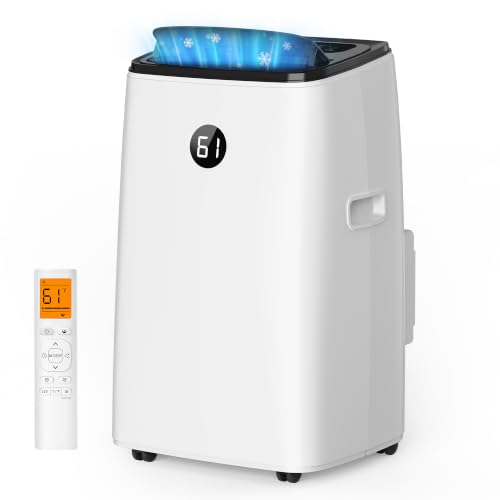
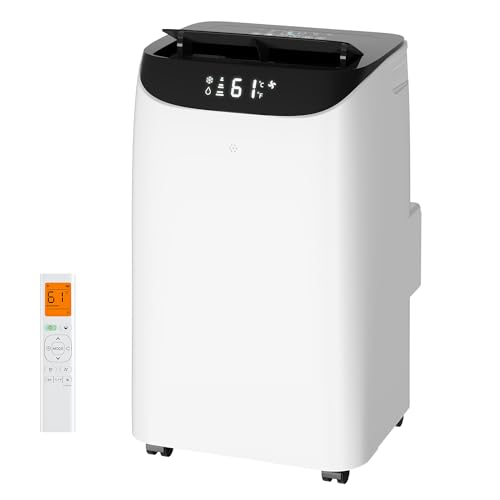
A single room free standing air conditioner — often called a freestanding AC or portable floor-standing air conditioner — is a self-contained cooling appliance that stands on the floor and is dedicated to cooling one room at a time. Unlike central systems that distribute cooled air through ductwork, these units operate independently and require only a power outlet and a way to exhaust warm air.
There are two main categories of freestanding units:
- Portable freestanding AC: A wheeled unit with an exhaust hose that vents through a window or sliding door. It can be moved from room to room.
- Floor-standing split AC: A permanently installed system with an indoor floor console and an outdoor compressor, connected by refrigerant lines. It offers stronger, more consistent cooling but requires professional installation.
Both types are designed for single-room cooling, but they differ significantly in installation requirements, cooling capacity, and efficiency. Understanding these differences is essential before you decide which one fits your situation.
How Free Standing Air Conditioners Work
All air conditioners use the same basic refrigeration cycle: they absorb heat from indoor air, transfer it outside, and circulate cooled air back into the room. The difference lies in how each freestanding type handles that process.
Portable Freestanding Units
A portable unit pulls warm indoor air into the unit, cools it, and blows it back into the room. The absorbed heat is exhausted through a flexible hose that must be vented out a window or door opening. Single-hose models create slight negative pressure in the room, which can draw warm air in through gaps. Dual-hose models are more efficient because they use separate intake and exhaust hoses, maintaining balanced air pressure.
Floor-Standing Split Systems
A floor-standing split system works like a conventional split AC but with the indoor unit mounted at floor level rather than on the wall. The indoor console draws in room air, cools it, and distributes it through adjustable louvers. The outdoor compressor unit releases the absorbed heat. Because there is no exhaust hose or window requirement, these units cool more evenly and operate more quietly than portable models.
Note: If your room has no suitable window for a portable hose, a single room AC unit without a window option or a floor-standing split system may be the better fit. Explore alternatives before committing to a portable model.
Portable vs Floor-Standing Split: Which Type Is Right for You?
Choosing between a portable freestanding unit and a floor-standing split system depends on your room, your installation options, and how long you plan to stay. The table below summarizes the key differences.
| Feature | Portable Freestanding AC | Floor-Standing Split AC |
|---|---|---|
| Installation | No professional installation; window kit required | Professional installation; refrigerant lines needed |
| Mobility | Fully mobile on casters | Fixed in place |
| Cooling capacity | Typically 8,000–14,000 BTU | Typically 12,000–24,000 BTU |
| Noise level | Moderate to high (compressor inside room) | Quieter indoors (compressor outside) |
| Efficiency | Lower; single-hose models lose efficiency | Higher; comparable to wall-mounted split systems |
| Window requirement | Yes, for exhaust hose | No |
| Best for | Renters, temporary setups, flexible cooling | Long-term single-room cooling, bedrooms, living areas |
If you need flexibility and cannot modify your home, a portable freestanding unit is the practical choice. If you want quieter operation, stronger cooling, and a permanent solution for one room, a floor-standing split system is the better long-term investment.
How to Size a Free Standing AC for a Single Room
Correct sizing is the single most important factor in comfort and efficiency. An undersized unit runs continuously without reaching the set temperature. An oversized unit cools too quickly, cycles on and off frequently, and leaves the room feeling clammy because it does not remove enough humidity.
Cooling capacity is measured in BTU (British Thermal Units). As a general starting point for a standard room with average ceiling height (8–9 feet):
- Up to 150 sq ft: 5,000–6,000 BTU
- 150–250 sq ft: 8,000–10,000 BTU
- 250–400 sq ft: 12,000–14,000 BTU
- 400–550 sq ft: 14,000–18,000 BTU
These figures assume average insulation and a moderate climate. Adjust upward for sunny rooms, kitchens, rooms with many windows, or spaces above 9 feet ceilings. Adjust downward for heavily shaded rooms or basements.
For a deeper breakdown of capacity ranges, see our guide to small air conditioners for small rooms and the room size guide for a 5,000 BTU air conditioner. If you are cooling a bedroom specifically, the bedroom air conditioner guide covers quiet operation and nighttime settings in detail.
Key Features to Look For
Beyond capacity, the feature set determines how comfortable, convenient, and efficient the unit will be in daily use. Prioritize the features that matter for your room and routine.
Cooling and Efficiency
- Inverter compressor: Varies speed to maintain temperature steadily rather than cycling on and off. Quieter and more efficient in the long run. Learn more about single-stage vs variable-speed operation.
- Energy efficiency ratio (EER) or SEER: Higher ratings mean more cooling per unit of electricity. Look for ENERGY STAR certification where available.
- Dual-hose exhaust (portable): More efficient than single-hose designs because it maintains balanced room pressure.
Comfort and Control
- Programmable thermostat or timer: Set cooling schedules to match your routine. A simple AC thermostat can make a basic unit far more convenient.
- Remote control and Wi-Fi: Smart controls let you adjust settings from your phone. See our guide to smart air conditioners for what to expect.
- Sleep mode and fan speeds: Gradual temperature adjustment and lower fan noise are valuable in bedrooms.
- Dehumidification mode: Removes moisture without full cooling — useful in humid climates.
Practicality
- Casters and handles: Essential for moving a portable unit between rooms.
- Window kit included: Check compatibility with your window type. Sliding windows may need a sliding window kit for portable air conditioner.
- Washable filter: Easier maintenance and better long-term air quality.
- Auto-restart: Resumes settings after a power interruption.
Installation and Placement Tips
Correct placement makes a noticeable difference in how well a freestanding unit performs.
For Portable Units
- Place the unit near the window or door where the exhaust hose will vent. Keep the hose as short and straight as possible — long, kinked hoses reduce efficiency.
- Leave at least 12–18 inches of clearance around the intake and outlet grilles.
- Seal the window kit opening tightly to prevent warm outdoor air from entering.
- Avoid placing the unit in direct sunlight; it will work harder to cool the space.
- If your window is a sliding glass door, use a dedicated sliding glass door air conditioner kit for a proper seal.
For Floor-Standing Split Systems
- Position the indoor console against an exterior wall where refrigerant lines can run to the outdoor unit.
- Keep the outdoor unit clear of obstructions and away from direct sun where possible.
- Ensure the indoor unit's louvers can direct airflow across the room rather than into a wall or furniture.
- Have a licensed technician handle refrigerant line connections and electrical work.
If you are considering a split system but want wall-mounted flexibility, a single-zone mini-split is another strong option for one-room cooling. For a broader comparison of single-room solutions, see our guide to single room air conditioning and heating units.
Maintenance for Long-Term Performance
Regular maintenance keeps cooling strong, air clean, and the unit running efficiently for years.
- Clean or replace the filter every 2–4 weeks during heavy use. A clogged filter restricts airflow and forces the unit to work harder.
- Empty the water tank or drain the condensate. Portable units collect moisture; standing water can cause odors and mold.
- Inspect the exhaust hose for kinks or tears. A damaged hose leaks warm air back into the room.
- Clean the exterior grilles and coils seasonally. Dust buildup on coils reduces heat exchange.
- Store the unit properly in the off-season. Cover it to prevent dust from settling inside.
- Schedule professional service for split systems annually. Refrigerant levels, electrical connections, and coil condition should be checked by a technician.
If your unit stops cooling effectively, work through our AC not cooling troubleshooting guide before assuming the unit needs replacement.
Who Should Choose a Free Standing Single Room AC?
A freestanding unit is a strong fit for several common situations:
- Renters who cannot install permanent equipment or modify windows.
- Older homes without ductwork, where a central system is impractical.
- Single rooms that need dedicated cooling — bedrooms, home offices, guest rooms, or converted attics.
- Temporary or seasonal needs, such as a home office added for remote work or a guest room used part of the year.
- Supplemental cooling for a room that stays warmer than the rest of the house.
For guest accommodations, our guide to single room air conditioning for guest accommodation covers comfort and control features that matter most. If you need both heating and cooling, a single room heating and air conditioning unit or a small portable air conditioner with heater combines both functions in one appliance.
Common Mistakes to Avoid
- Buying by room size alone. Sun exposure, ceiling height, and occupant count all affect the real load.
- Choosing a single-hose portable unit for a hot climate. Dual-hose models maintain better efficiency in demanding conditions.
- Skipping the window seal. An unsealed exhaust opening lets hot air back in and defeats the purpose.
- Placing the unit in a corner. Restricted airflow reduces cooling reach across the room.
- Ignoring noise ratings. Compressor noise matters in bedrooms and home offices — check decibel levels before buying.
- Neglecting maintenance. A dirty filter is the most common cause of declining performance.
Frequently Asked Questions
Ready to Choose Your Free Standing Air Conditioner?
You now understand the types, sizing rules, key features, and maintenance requirements. Browse our recommended models below to find the right fit for your single room.
VIEW RECOMMENDED MODELS