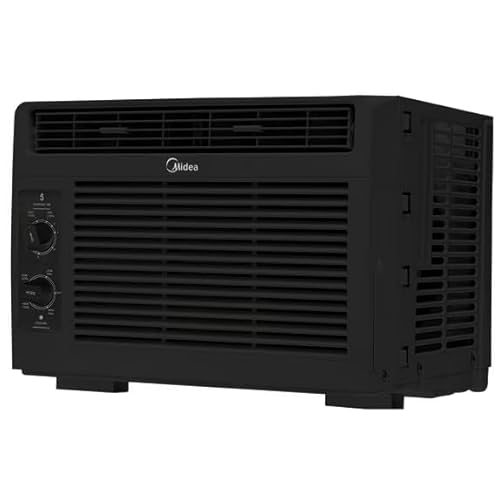
Size of Room for 5000 BTU Air Conditioner: Complete Guide
Learn exactly how much space a 5000 BTU air conditioner can cool, what factors affect performance, and how to choose the right capacity for your room.
START READINGAC Units Guide Philosophy: Choosing the right BTU capacity is the single most important decision when buying a room air conditioner. Too small, and the room never cools properly. Too large, and the unit short-cycles, wasting energy and leaving the room humid. This guide helps you get it right.
How Many Square Feet Does a 5000 BTU AC Cool?
A 5000 BTU air conditioner is designed to cool a room of approximately 100 to 150 square feet under standard conditions. This makes it an excellent choice for small bedrooms, home offices, nurseries, and studio apartments.
The 20 BTU per square foot rule is the industry baseline: multiply your room's square footage by 20 to get a rough BTU estimate. For a 150-square-foot room, that works out to 3000 BTU, but most manufacturers recommend 5000 BTU as the minimum practical size for a small room because it accounts for real-world factors like sun exposure, occupancy, and appliance heat.
If you're comparing options across different capacities, our guide on small air conditioners for small rooms covers the full range of compact cooling solutions.
5000 BTU Room Size Chart
The table below shows the recommended room size for a 5000 BTU air conditioner alongside other common capacities, so you can see where 5000 BTU fits in the broader range:
| BTU Capacity | Room Size (sq ft) | Typical Room Type | Best For |
|---|---|---|---|
| 5,000 BTU | 100 – 150 sq ft | Small bedroom, home office, nursery | Compact spaces with standard ceilings |
| 6,000 BTU | 150 – 200 sq ft | Small living room, studio apartment | Slightly larger small rooms |
| 8,000 BTU | 200 – 300 sq ft | Medium bedroom, dining area | Rooms with some sun exposure |
| 10,000 BTU | 300 – 400 sq ft | Large bedroom, small living room | Open-plan small spaces |
| 12,000 BTU | 400 – 500 sq ft | Living room, master bedroom | Larger residential rooms |
For a deeper breakdown of small-room options, see our guide on small area air conditioner selection and our small room size portable air conditioner overview.
Factors That Affect 5000 BTU Coverage
The 100–150 square foot estimate assumes standard conditions. Real-world performance depends on several variables:
Sun Exposure & Windows
Rooms with large south- or west-facing windows absorb more heat. A 5000 BTU unit may only cool 100 square feet in a sun-drenched room, while a shaded north-facing room could stretch to 150 square feet or more.
Ceiling Height
Standard 8-foot ceilings are assumed. For 10-foot ceilings, add roughly 20–25% to your BTU requirement. Cathedral ceilings may require a significantly larger unit.
Insulation Quality
Well-insulated rooms with energy-efficient windows retain cool air better. Older homes with drafty windows and poor insulation may need a higher-capacity unit.
Occupancy & Appliances
Each person adds roughly 400 BTU of heat. Kitchens with ovens and rooms with electronics or servers generate additional heat load that reduces effective coverage.
Climate Zone
In hot, humid climates, a 5000 BTU unit works harder to remove moisture. In dry or mild climates, it can cool a slightly larger area effectively.
Unit Placement
Window units placed in shaded windows perform better than those in direct sun. Portable units with dual hoses cool more efficiently than single-hose models.
Is 5000 BTU Right for Your Room?
Here's how a 5000 BTU air conditioner performs in common room scenarios:
- Small Bedroom (100–130 sq ft): Excellent match. A 5000 BTU unit cools quickly and runs efficiently. Explore small air conditioners for bedrooms for model recommendations.
- Home Office (100–150 sq ft): Ideal, especially if you work during the day when heat load peaks. A small portable air conditioner for office offers flexibility if you can't install a window unit.
- Nursery (100–130 sq ft): A good fit, though you may want a unit with quiet operation. Check our quiet air conditioner guide for low-noise options.
- Studio Apartment (150–200 sq ft): Borderline. A 5000 BTU unit may struggle in a 200-square-foot studio, especially with kitchen appliances. Consider stepping up to 6000 or 8000 BTU.
- Dorm Room (100–120 sq ft): Well-suited for a 5000 BTU unit. Look for small window air conditioner ENERGY STAR models for efficiency.
If your room is smaller than 100 square feet, a 5000 BTU unit may be oversized, leading to short cycling. In that case, look at small air conditioners that don't need a window or small AC units without window requirements for more compact options.
Choosing the Right 5000 BTU Unit
Once you've confirmed that 5000 BTU is the right capacity for your room, the next step is selecting the right form factor and features:
- Window Unit: The most common 5000 BTU form factor. Easy to install in double-hung windows. For narrow windows, consider a small window air conditioner 12 inches wide or 14 inches wide model.
- Portable Unit: Flexible placement but generally less efficient. Best for rooms where window installation isn't possible. See our small portable air conditioner for small room guide.
- Mini-Split: A smallest mini-split offers superior efficiency and quiet operation, though installation is more involved. Ideal for permanent installations.
- Smart Features: Even compact units now offer app control and scheduling. Explore smart air conditioner options and smart air conditioner control for remote management.
For vertical window installations, a small window air conditioner for vertical window is the right choice. If you need a thermostat for precise control, a simple AC thermostat pairs well with any 5000 BTU unit.
Installation Tips for 5000 BTU Units
Proper installation maximizes cooling efficiency and extends the unit's lifespan:
- Seal the Window Gap: Use foam insulation or window sealing kits to prevent cool air from escaping around the unit.
- Shade the Outdoor Side: If possible, install the unit in a window that receives shade during the hottest part of the day.
- Keep Filters Clean: A clogged filter reduces cooling capacity. Clean or replace filters monthly during peak season.
- Check the Electrical Circuit: Most 5000 BTU units run on standard 115V household circuits, but verify the amperage requirement before installation.
- Consider a Soft Start: A soft start air conditioner accessory can reduce startup current draw, which is helpful for older electrical systems.
If you're not comfortable installing a window unit yourself, look for someone to install window air conditioner services in your area.
Energy Efficiency for Small Rooms
Small rooms don't automatically mean low energy use. Here's how to keep a 5000 BTU unit efficient:
- Look for ENERGY STAR: A small window air conditioner ENERGY STAR model uses less electricity than standard units.
- Choose Inverter Technology: If available in your size range, an inverter AC adjusts compressor speed for steadier, more efficient cooling.
- Seal Air Leaks: Check door and window seals. Even small gaps let cool air escape and hot air enter.
- Use a Programmable Thermostat: A simple AC thermostat or small air conditioner with thermostat lets you set schedules and avoid unnecessary runtime.
- Consider a Smart Thermostat: For even more control, a smart thermostat for air conditioner can learn your schedule and optimize cooling.
For rooms where you want to keep things simple, a small air conditioner with thermostat offers built-in temperature control without extra accessories.
Common Mistakes When Sizing a 5000 BTU AC
- Buying Too Large: A 5000 BTU unit in a 80-square-foot room will short-cycle, failing to remove humidity and causing unnecessary wear. Match capacity to room size.
- Ignoring Ceiling Height: A 150-square-foot room with 12-foot ceilings has 50% more air volume than one with 8-foot ceilings. Account for this in your BTU calculation.
- Overlooking Sun Exposure: A west-facing window in the afternoon can add significant heat load. Consider a small window air conditioner with high BTU if your room gets strong sun.
- Forgetting About Appliances: Kitchens, home offices with multiple monitors, and rooms with servers generate extra heat. Add 10–20% to your BTU estimate in these cases.
- Skipping the Filter: A dirty filter can reduce cooling capacity by 20% or more, making a properly sized unit feel inadequate.
For a broader look at sizing mistakes, our guide on what happens if AC is too big or too small explains the consequences in detail.
Find the Perfect 5000 BTU Air Conditioner
Browse our curated selection of compact, efficient air conditioners designed for small rooms.
VIEW RECOMMENDED UNITSFrequently Asked Questions
What size room does a 5000 BTU air conditioner cool?
A 5000 BTU air conditioner is generally suitable for rooms up to 150 square feet, such as a small bedroom, home office, or studio apartment. Actual coverage depends on ceiling height, insulation, window area, and occupancy.
Is 5000 BTU enough for a 200 square foot room?
A 5000 BTU unit is typically underpowered for a 200 square foot room. For spaces of that size, a model in the 8000 to 10000 BTU range is generally more appropriate unless the room is heavily shaded and well insulated.
How do I calculate the right BTU for my room?
A common baseline is 20 BTU per square foot of floor area. Adjust upward for sunny windows, high ceilings, kitchens, or rooms with multiple occupants, and adjust downward for heavy shade or excellent insulation.
Can a 5000 BTU air conditioner cool a bedroom?
Yes, a 5000 BTU air conditioner can cool a small bedroom of roughly 100 to 150 square feet. For larger bedrooms or rooms with significant sun exposure, a higher-capacity unit is recommended. See our small air conditioners for bedrooms guide for model suggestions.
Will a 5000 BTU unit work in a room with high ceilings?
It depends on the ceiling height. Standard 8-foot ceilings are assumed in the 100–150 square foot estimate. For 10-foot ceilings, consider adding 20–25% to your BTU requirement, which may mean stepping up to a 6000 or 8000 BTU unit.
What's the best type of 5000 BTU AC for a small room?
Window units are the most common and efficient choice for small rooms. Portable units offer flexibility if window installation isn't possible. Mini-splits are the most efficient but require professional installation. See our small window air conditioner with thermostat and small portable air conditioner for small room guides for comparisons.
Explore Related Guides
Deepen your understanding of small-room cooling with these related articles:
- Small Air Conditioners for Small Rooms — Compact cooling options compared.
- Small Air Conditioners for Bedrooms — Quiet, efficient bedroom solutions.
- Small Area Air Conditioner — Targeted cooling for compact spaces.
- Small Room Size Portable Air Conditioner — Flexible portable options.
- Small Portable Air Conditioner for Small Room — Detailed portable guide.
- Small Window Air Conditioner with Thermostat — Precise temperature control.
- Small Window Air Conditioner ENERGY STAR — Efficient models.
- Small Air Conditioner with Thermostat — Built-in temperature control.
- Smallest Mini-Split — Ductless efficiency for small rooms.
- Smart Air Conditioner — Connected cooling options.