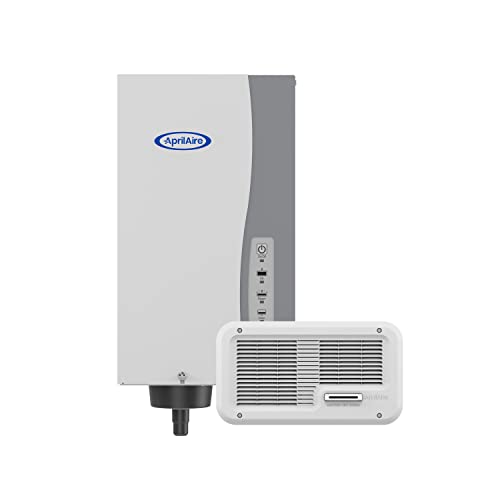
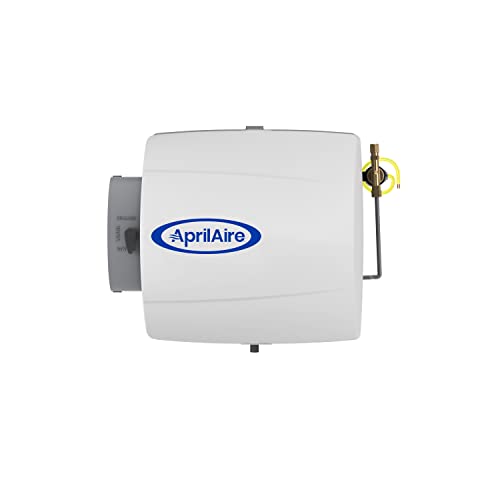
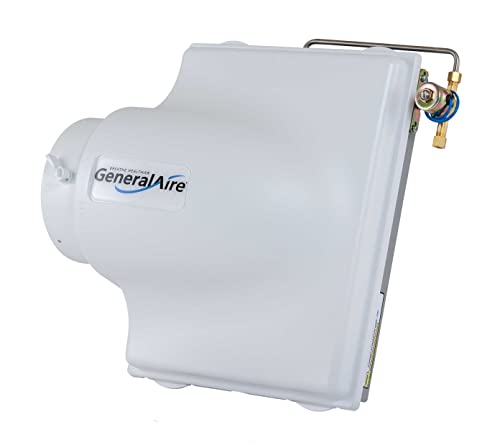
Steam Humidifier for Furnace: Complete Guide to Whole-House Moisture Control
A steam humidifier for furnace systems delivers precise, duct-distributed humidity that keeps your home comfortable through dry heating seasons. This guide explains how these units work, how to size them, installation requirements, maintenance, and how to choose the right tier for your home.
Explore the Buying GuideWhy this guide matters: A furnace-mounted steam humidifier is a long-term investment in indoor air quality. Unlike room humidifiers, it integrates directly with your HVAC system and ductwork, so understanding compatibility and sizing before you buy prevents costly installation surprises.
This page is written for homeowners in the research stage who already know they want whole-house humidification and need clear, reliable guidance before choosing a product.
What Is a Steam Humidifier for a Furnace?
A steam humidifier for furnace applications is a whole-house humidification unit that mounts near or on the furnace and introduces moisture into the supply air stream. Instead of relying on a wicking pad and bypass airflow, a steam unit uses an electric heating element or electrode canister to boil water into vapor. That vapor is then carried through the ductwork to every connected room.
Because the unit generates steam actively, it can humidify even when the furnace is not actively heating — a key advantage in shoulder seasons or in homes where the blower runs for air circulation. The system is typically controlled by a humidistat mounted on the return duct or a wall, which cycles the humidifier to maintain a target relative humidity.
Duct-Distributed Moisture
Steam enters the supply plenum and travels through existing ductwork, humidifying multiple rooms from a single unit.
Active Steam Generation
Electric heating boils water to vapor, allowing operation independent of furnace heat cycles.
Humidistat Control
A dedicated controller monitors relative humidity and cycles the humidifier to maintain your target level.
Mineral Management
Most units include a drain cycle or disposable canister to manage mineral buildup from hard water.
How a Furnace Steam Humidifier Works
Understanding the operating sequence helps you evaluate installation needs and maintenance expectations. A typical steam humidifier for furnace integration follows these steps:
- Water supply: A small water line feeds the humidifier's reservoir or steam canister.
- Heating: An electric element or electrode assembly heats the water to boiling, producing steam.
- Steam injection: Steam is injected into the supply duct through a distribution tube or nozzle.
- Air distribution: The furnace blower moves humidified air through the ductwork to conditioned spaces.
- Humidity sensing: A humidistat measures return-air relative humidity and signals the unit to cycle on or off.
- Drain and flush: Mineral-rich water is periodically drained to reduce scale accumulation.
Because the unit adds moisture directly as vapor, it avoids the standing water and wicking-pad concerns common in evaporative designs. However, it does require a drain connection and a power source, which are the two most important installation considerations.
Steam vs Bypass vs Fan-Powered Humidifiers
Whole-house humidifiers generally fall into three categories. Understanding the differences helps you decide whether a steam model fits your home and climate.
| Feature | Steam Humidifier | Bypass Humidifier | Fan-Powered Humidifier |
|---|---|---|---|
| Moisture method | Boils water into steam | Evaporates water from a pad using furnace airflow | Evaporates water from a pad using a dedicated fan |
| Furnace heat required | No — can operate independently | Yes — relies on warm supply air | Partially — fan assists evaporation |
| Humidity output | High and precise | Moderate | Moderate to high |
| Drain required | Yes | Usually | Usually |
| Maintenance focus | Canister or element descaling | Pad replacement | Pad replacement and fan cleaning |
| Best for | Homes needing precise, high-output humidity | Simple setups with forced-air heat | Homes needing more output than bypass |
Steam units are generally the top-tier choice for homeowners who want tight humidity control, consistent output, and operation independent of heating cycles. Bypass units occupy the essential tier for straightforward installations, while fan-powered models sit in the mid-range for homes needing a bit more capacity without steam complexity.
Benefits of Whole-House Steam Humidification
A properly sized steam humidifier for furnace systems offers several practical advantages that go beyond simple comfort:
- Consistent indoor humidity: Precise control helps maintain a stable target, avoiding the swings common with portable units.
- Whole-home coverage: Moisture reaches every room connected to the ductwork, not just one area.
- Independent operation: Steam generation does not depend on the furnace calling for heat, so humidity stays stable during mild weather.
- Reduced dry-air discomfort: Balanced humidity can ease dry skin, static shocks, and irritated respiratory passages.
- Protection for wood and furnishings: Stable moisture levels help reduce cracking in hardwood floors, furniture, and trim.
- No portable refilling: Once installed, the system draws from a water line and drains automatically.
Comfort note: Indoor relative humidity is generally considered comfortable in the 30–50% range during heating season. A humidistat helps you stay within a healthy band without over-humidifying, which can cause window condensation.
How to Size a Steam Humidifier for Your Furnace
Sizing is the most important decision before purchase. An undersized unit will run continuously without reaching target humidity, while an oversized unit can overshoot and create condensation issues. Professional sizing typically considers:
- Home volume: Total conditioned cubic footage, not just square footage.
- Building envelope: Insulation quality, window efficiency, and air leakage rates.
- Climate: Outdoor design temperature and typical winter humidity levels.
- Occupancy and moisture sources: Cooking, bathing, and occupant activity add moisture.
- Target humidity: The relative humidity you want to maintain during the driest months.
Manufacturers publish capacity ratings in gallons per day (GPD) or pounds of moisture per hour. A qualified HVAC contractor will typically perform a load calculation — often referred to as a Manual J-style assessment for the envelope — and then match humidifier output to the calculated demand. If your home is tightly built, a mid-range capacity may suffice; larger or leakier homes often need a high-end tier unit.
If you are also evaluating broader HVAC components, the principles of system sizing and load calculation are similar to those covered in our guides on thermostat for HVAC system control and total HVAC replacement planning.
Installation Requirements and Considerations
Steam humidifiers are more involved to install than bypass units. Before choosing a model, confirm the following:
- Drain access: The unit needs a drain line for wastewater and condensate. A floor drain, utility sink, or suitable standpipe nearby simplifies installation.
- Water supply: A cold-water line with a shutoff valve must be routed to the humidifier.
- Electrical supply: Most steam units require a dedicated circuit. Verify your panel capacity and consult a licensed electrician if needed.
- Duct compatibility: The supply plenum must accommodate the steam distribution tube. Duct material and clearance matter.
- Clearance and service access: Leave room for canister replacement or element service.
- Humidistat placement: The controller should be located where it reads representative return air, away from drafts and direct heat.
Because installation touches plumbing, electrical, and ductwork, most homeowners use a licensed HVAC contractor. If you are comparing installation approaches across system types, our overview of the air conditioning system and thermostat for central air and heat may help you understand how the components interact.
Maintenance: Keeping Your Steam Humidifier Efficient
Steam humidifiers are relatively low-maintenance, but they are not maintenance-free. Hard water is the primary long-term concern because mineral scale reduces efficiency and can shorten component life. A practical maintenance routine includes:
- Canister or element inspection: Check periodically and replace or descale according to the manufacturer's schedule.
- Drain flush: Confirm the drain cycle is working and the line is clear.
- Water quality monitoring: If your water is very hard, consider a water softener or follow the manufacturer's water-quality guidance.
- Humidistat calibration: Verify readings occasionally, especially after seasonal changes.
- Duct and plenum check: Look for moisture accumulation or mineral dust near the injection point.
- Pre-season service: Before heating season, have the unit inspected and cleaned.
Routine maintenance is the key to a long-term investment that performs efficiently in the long run. Homes with extremely hard water may need more frequent service, which is worth factoring into your ownership plan.
Buying Guide: Choosing the Right Tier
Rather than focusing on price, evaluate steam humidifiers by tier, build quality, and feature set. The descriptors below are used consistently throughout this guide.
| Tier | Typical Characteristics | Best For |
|---|---|---|
| Essential tier | Basic steam canister, straightforward humidistat, standard drain cycle | Smaller homes with moderate humidity needs |
| Balanced tier | Improved control, serviceable canister, better mineral management | Most single-family homes in dry climates |
| High-end tier | Higher output, advanced humidistat features, robust components | Larger homes or tightly controlled indoor environments |
| Professional-grade | Heavy-duty construction, commercial-style controls, high capacity | Large properties or demanding humidity requirements |
Tier descriptors reflect relative market positioning and build quality, not absolute pricing. A mid-range model often offers a smoother ownership experience than an entry-level unit, while professional-grade units prioritize durability and output over simplicity.
When comparing options, look for:
- Output capacity: Match the unit's rated output to your calculated demand.
- Canister or element design: Consider replacement availability and serviceability.
- Humidistat quality: A reliable controller makes a measurable difference in comfort.
- Drain and flush features: Better mineral management reduces maintenance frequency.
- Warranty and support: Parts availability and service networks matter for a long-term investment.
- Compatibility: Confirm the unit is designed for your furnace and duct configuration.
If you are also considering seasonal humidity balance from the cooling side, our article on summer heating and cooling and steam humidifier whole house options may provide useful context.
Common Mistakes to Avoid
- Oversizing without a load calculation: More capacity is not always better; overshoot causes condensation.
- Ignoring water quality: Hard water accelerates scale and shortens service intervals.
- Skipping the drain plan: A drain is not optional — plan for it before purchase.
- Choosing a controller by guesswork: Humidistat placement and quality affect performance significantly.
- Deferring maintenance: Scale buildup quietly reduces efficiency over time.
- Overlooking electrical requirements: Confirm circuit capacity with a licensed professional.
Frequently Asked Questions
What is a steam humidifier for a furnace?
A steam humidifier for a furnace is a whole-house humidification device that boils water to create steam and distributes that moisture through the existing ductwork. It is integrated with the furnace and controlled by a humidistat.
How does a steam humidifier differ from a bypass humidifier?
A steam humidifier actively boils water to produce steam and can humidify independently of furnace heat, while a bypass humidifier relies on airflow from the furnace and evaporates water from a pad. Steam units generally offer more precise control and higher output.
Does a steam humidifier need a water drain?
Yes. Most steam humidifiers require a drain line to remove mineral-rich wastewater and condensate, so a suitable drain location near the unit is important.
Can a steam humidifier run without the furnace heating?
Yes. Steam generation is independent of the heating cycle, so the unit can add moisture whenever the blower circulates air, even in mild weather.
How often does a steam humidifier need maintenance?
Maintenance frequency depends on water hardness and usage. Inspect the canister or element periodically, confirm the drain works, and schedule pre-season service before heating season.
Is a steam humidifier a good choice for every home?
It is a strong choice when precise, high-output whole-house humidity is the goal. Homes with limited drain or electrical access may find bypass or fan-powered units simpler to install, so evaluate your home's constraints first.
Final Thoughts
A steam humidifier for furnace systems is a worthwhile investment for homeowners who want consistent, controllable humidity throughout the house. The key is to size the unit properly, confirm installation requirements for drain and electrical access, and choose a tier that matches your home's demand and your maintenance preferences.
Use this guide as a research foundation, then compare specific models using the product recommendations below. If you are still evaluating broader comfort upgrades, our guides on thermostats for AC and heat and top-rated heating and air conditioning systems can help you think through the whole system.