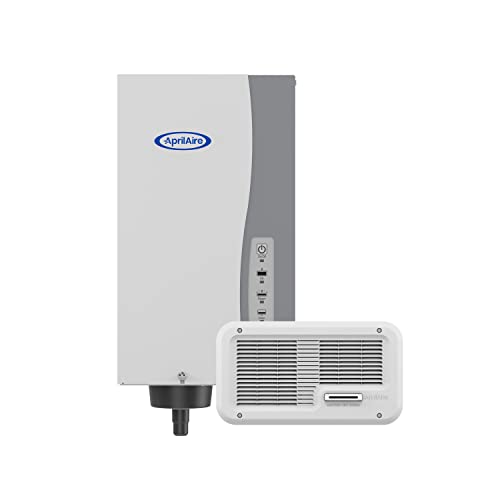
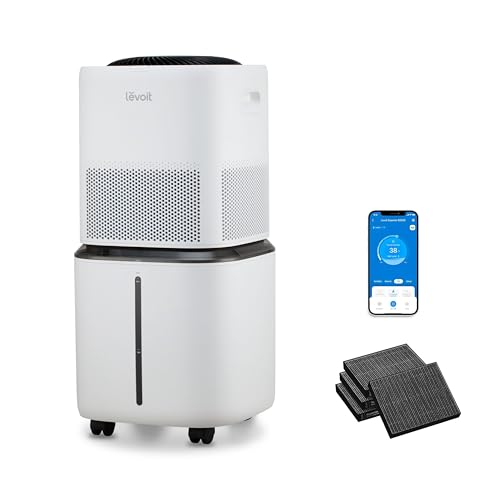
Whole House Steam Humidifier: Complete Buyer's Guide
Discover how whole house steam humidifiers deliver consistent, clean moisture throughout your home. Learn about sizing, installation, benefits, and how to choose the right system for your climate and lifestyle.
EXPLORE THE GUIDEWhy Whole House Steam Humidification Matters: Dry indoor air during heating months can cause dry skin, static buildup, cracked woodwork, and respiratory discomfort. A whole house steam humidifier integrates with your HVAC system to maintain balanced humidity in every room, not just a single space. This guide walks you through how these systems work, what to consider before buying, and how to match a unit to your home.
What Is a Whole House Steam Humidifier?
A whole house steam humidifier is an HVAC-integrated device that produces moisture by boiling water into steam and distributing it through your home's ductwork. Unlike portable units that humidify one room, a steam humidifier connects directly to your central air handler or furnace, delivering humidity evenly across the entire living space. A built-in humidistat monitors indoor moisture levels and activates steam production only when humidity drops below your chosen setpoint.
These systems are especially useful in cold climates where forced-air heating dries out indoor air. Because steam is introduced into the airstream, it disperses efficiently without the cool mist or white mineral dust associated with some evaporative or ultrasonic designs. For homeowners already using a furnace-based heating system, a steam humidifier for furnace setups is a natural companion to consider.
How a Steam Humidifier Works
Understanding the operating principle helps you evaluate whether a steam unit fits your home and maintenance preferences. The process is straightforward:
- Water supply: The unit connects to a cold water line. Water enters a canister or cylinder inside the humidifier.
- Heating: Electric electrodes or a heating element boil the water, generating steam. The boiling process also helps reduce microbial content in the water.
- Distribution: Steam is injected into the supply duct of your HVAC system. The blower then carries moisture through the ductwork into each room.
- Regulation: A humidistat or integrated controller measures relative humidity and cycles the unit on and off to maintain the target level, typically between 30 and 50 percent.
- Drainage: Minerals and sediment are periodically flushed through a drain line to keep the canister operating efficiently.
Because steam is delivered through the same ductwork that distributes heated or cooled air, humidity reaches every connected room. This makes whole house steam humidification a more uniform solution than placing multiple standalone devices around the house.
Key Benefits of Whole House Steam Humidification
Even Moisture Distribution
Steam travels through ductwork to every room, avoiding the uneven humidity you get from single-room units. This creates a more comfortable environment across the entire home.
No Visible Mist or White Dust
Steam humidifiers boil water rather than atomizing it, so there is no fine mist or mineral dust settling on surfaces. This keeps furniture and electronics cleaner.
Comfort During Heating Season
Forced-air heating lowers indoor humidity. A steam humidifier counteracts dryness, helping reduce dry skin, irritated sinuses, and static shocks in winter.
Protects Wood and Finishes
Maintaining proper humidity reduces the shrinking and cracking of hardwood floors, wood furniture, and trim that occur in overly dry indoor air.
Automatic Operation
Once installed and set, the system runs automatically based on humidity readings. There are no tanks to refill daily, which makes it a low-effort long-term solution.
Integrates With Existing HVAC
Steam humidifiers work alongside your furnace or air handler. If you are evaluating broader indoor comfort upgrades, exploring summer heating and cooling options can help you plan a whole-home strategy.
Steam Humidifier Types and How They Compare
Whole house humidifiers generally fall into a few categories. The table below compares steam units against other common approaches so you can see where steam fits.
| Type | Moisture Method | Best For | Maintenance Level |
|---|---|---|---|
| Steam (canister/electrode) | Boils water into steam | Homes needing precise, high-capacity humidity control | Periodic canister replacement and descaling |
| Bypass flow-through | Air passes over a wetted pad | Moderate humidity needs in milder climates | Pad replacement and water line checks |
| Fan-powered | Fan blows air over a wetted pad | Homes without a bypass duct path | Pad replacement and fan cleaning |
| Ultrasonic/portable | High-frequency vibration creates mist | Single-room use | Frequent tank refills and cleaning |
Steam humidifiers tend to be the highest-capacity and most controllable option. They are a good match for larger homes or climates with long, dry heating seasons. Smaller or milder applications may be adequately served by bypass or fan-powered units, so matching the type to your actual demand is important.
How to Size a Whole House Steam Humidifier
Sizing affects both comfort and efficiency. An undersized unit runs continuously without reaching the target humidity, while an oversized unit can overshoot and cycle unnecessarily. Manufacturers typically rate steam humidifiers in gallons per day of moisture output. Sizing depends on several factors:
- Home volume: Square footage multiplied by ceiling height gives cubic volume. Larger volumes require more moisture output.
- Climate: Colder, drier outdoor air increases the moisture load needed to maintain indoor comfort.
- Building envelope: Insulation, window quality, and air sealing influence how much humidity escapes. Leaky homes need more capacity.
- Occupancy and lifestyle: More occupants and activities like cooking and showering add some moisture, but the heating system's drying effect usually dominates.
- Target humidity: Aiming for the upper end of the comfort range requires more output than a modest setpoint.
A professional load calculation is the most reliable way to size a unit. If you are also evaluating other home comfort equipment, resources on thermostat for HVAC system controls can help you understand how humidity and temperature management work together.
Installation Considerations
Whole house steam humidifiers are typically installed by an HVAC professional. The unit mounts near the furnace or air handler and requires a water supply line, a drain line, electrical power, and a duct connection for steam injection. A humidistat is mounted in a representative living area or integrated into the HVAC control system.
Before installation, confirm that your electrical panel can support the unit and that there is adequate space for the canister and service access. In some jurisdictions, a permit may be required for the electrical or plumbing work. If you are planning related upgrades, understanding your thermostat C-wire setup can be useful when integrating new controls.
Maintenance and Long-Term Care
Steam humidifiers are relatively low-effort but do require routine attention. Water hardness determines how often service is needed. Common maintenance tasks include:
- Canister or electrode replacement: Mineral buildup eventually requires replacement, often once per heating season in hard-water areas.
- Descaling: Cleaning scale from components helps maintain steam output and efficiency.
- Water filter changes: If a filter is installed on the supply line, replace it on schedule to protect the unit.
- Drain line checks: Ensure the drain flows freely and is not clogged with sediment.
- Humidistat verification: Periodically confirm that the sensor reads accurately and the setpoint is appropriate.
Scheduling annual service before the heating season helps prevent mid-winter breakdowns. Homeowners who maintain other HVAC equipment may already have a service routine; the same discipline applies to humidification components.
Buying Guide: What to Look For
When comparing whole house steam humidifiers, focus on capacity, control features, and serviceability rather than marketing labels. The following criteria help organize your evaluation:
| Tier | Typical Characteristics | Best For |
|---|---|---|
| Entry-level | Basic humidistat, manual setpoint, standard canister design | Smaller homes with moderate humidity needs |
| Mid-range | Improved controls, automatic humidity adjustment, easier service access | Most single-family homes in cold climates |
| High-end tier | Advanced modulation, integrated smart controls, higher output capacity | Large homes or precision humidity requirements |
Also consider compatibility with your existing HVAC system, availability of replacement canisters locally, and whether the unit offers proportional or on/off control. Proportional control tends to hold humidity more steadily, while on/off control is simpler and often found in entry-level models. Reviews of related equipment, such as top-rated heating and air conditioning systems, can give you context on how humidification fits into a broader HVAC investment.
Who Should Consider a Whole House Steam Humidifier?
Steam humidification is most valuable for homeowners in cold climates with forced-air heating, large homes where portable units cannot keep up, and households where occupants experience dryness-related discomfort. It is also a sensible choice for homes with wood floors, cabinetry, or musical instruments that benefit from stable humidity.
If your primary concern is cooling rather than humidity, related guides on stand-alone air conditioner units and the air conditioning system can help you balance both sides of indoor comfort. For homes that rely on evaporative cooling, thermostat for evaporative cooler information may also be relevant to your control setup.
Frequently Asked Questions
How does a whole house steam humidifier work?
A whole house steam humidifier uses an electric heating element to boil water into steam, which is then distributed through your home's ductwork. A humidity sensor monitors indoor moisture levels and signals the unit to produce steam only when needed, keeping humidity at a consistent setpoint.
What size steam humidifier do I need for my home?
Sizing depends on your home's square footage, ceiling height, insulation quality, and climate. A common guideline is to select a unit rated for your home's volume in cubic feet, typically measured in gallons per day of moisture output. A professional load calculation is the most accurate approach.
Do steam humidifiers require regular maintenance?
Yes. Steam humidifiers need periodic descaling, canister or electrode replacement, and water filter changes depending on your water hardness. Annual service is recommended to maintain efficiency and prevent mineral buildup.
Can a whole house steam humidifier improve indoor air quality?
Maintaining proper indoor humidity (typically 30 to 50 percent) can reduce dry skin, static electricity, and respiratory irritation. A steam humidifier delivers consistent moisture without the mist or white dust associated with some other humidifier types.
Is a steam humidifier better than a bypass humidifier?
Steam humidifiers generally offer higher capacity and more precise control, making them suitable for larger homes or drier climates. Bypass humidifiers are simpler and may suffice for moderate needs. The right choice depends on your home size, climate, and maintenance preferences.
Ready to Explore Whole House Steam Humidifiers?
Compare features, capacity ratings, and control options to find a system that matches your home and climate.
VIEW RECOMMENDED MODELS