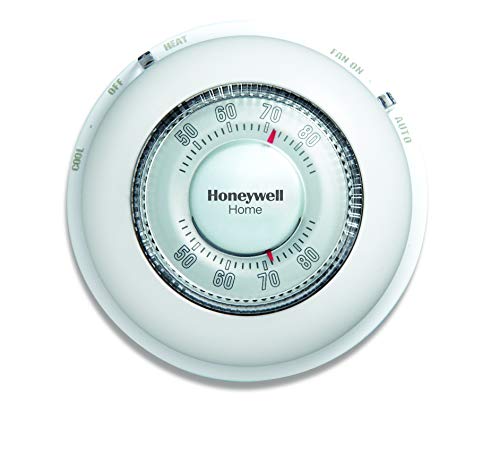
Thermostat for AC and Heat: The Complete Selection Guide
Choose the right thermostat for your heating and cooling system with a clear breakdown of types, features, compatibility, wiring, and smart controls — everything you need before you buy.
START READINGQuick summary: A thermostat for AC and heat is the brain of your comfort system. It reads room temperature, compares it to your setpoint, and signals the cooling and heating equipment to respond. The right model depends on your system type, wiring, and how much automation you want.
What Is a Thermostat for AC and Heat?
A thermostat for AC and heat is a control device that manages both the cooling and heating sides of your home's comfort system. It reads the room temperature, compares it with your chosen setpoint, and signals the equipment to run — either the air conditioner, furnace, boiler, or heat pump — until the room reaches the target.
Unlike a cooling-only thermostat, a combined AC and heat thermostat supports mode switching. You select cooling in summer and heating in winter, and the thermostat hands control to the correct equipment automatically. Many modern models go further, switching between heating and cooling on their own based on the room temperature — a feature covered in thermostat that automatically switches from AC to heat.
The thermostat is also the most accessible point of contact between you and your HVAC system. It is where you schedule setbacks, adjust fan behavior, and monitor filter reminders on many models. If your system includes a heat pump, the thermostat needs to support heat pump-specific functions such as auxiliary heat and defrost — otherwise the equipment will not operate as designed.
How Combined Thermostats Work
The thermostat monitors temperature with a sensor and compares the reading against your setpoint and its deadband — the tolerance range before it activates the equipment. When the room drifts too far from the target, it closes the appropriate control circuit: the Y wire for cooling, the W wire for heating, and the G wire for the fan on a conventional system. Heat pumps use the O/B reversing valve wire in addition to these.
Modern thermostats add a layer of intelligence. Programmable models follow a schedule, pulling the setpoint up or down at set times. Smart thermostats add Wi-Fi, app control, learning, geofencing, and usage reports. Some models integrate with voice assistants and home automation platforms, and many use occupancy sensors to detect when a room is empty and adjust accordingly.
For split systems and other zoned equipment, the thermostat's role is the same, but the control may be dedicated to one indoor unit. A split unit thermostat typically controls one zone, while a whole-home thermostat coordinates a single system across the house. Many split systems ship with a handheld remote that includes thermostat functions, and a wall-mounted thermostat replaces or supplements that control.
Types of Thermostats
Thermostats for AC and heat fall into four broad categories. The right choice depends on your comfort priorities, your HVAC equipment, and how much automation you want.
Non-Programmable
The essential tier. You set a temperature and the thermostat holds it. Simple, reliable, and easy to operate. A solid choice when scheduling is not important or when a household is occupied at home all day.
Programmable
The mid-tier workhorse. You program a weekly schedule with wake, away, home, and sleep periods. Setbacks reduce runtime during unoccupied hours — a straightforward way to make the system more efficient in the long run.
Smart Thermostat
The high-end tier. Adds Wi-Fi, app control, learning algorithms, geofencing, and energy reports. Some models integrate with home automation and voice assistants. Feature-rich for its class and useful for households with variable schedules.
Specialty Thermostats
Designed for specific systems: heat pump thermostats with auxiliary heat control, line-voltage thermostats for baseboard and in-floor heating, and dual-fuel thermostats for systems that pair a heat pump with a fossil-fuel furnace.
If you are deciding between models based on how they handle mode changes, the thermostat that switches from heat to cool automatically overview and thermostat that controls heat and cool guide explain the behavioral differences. For whole-home systems, the thermostat for AC and heat comparison across models is a useful starting point.
Compatibility with Your HVAC System
Compatibility is the most common source of confusion when buying a thermostat. The good news: most modern thermostats list the systems they support, and manufacturer compatibility tools will confirm whether your wiring matches before you buy.
The compatibility factors that matter most:
- System type: Conventional gas/electric systems use one wiring scheme; heat pumps use another. A heat pump thermostat must support the O/B reversing valve.
- Stages: Single-stage, two-stage, and variable-speed systems need thermostats that can command each stage. See two stage AC for how staging affects comfort and efficiency.
- Auxiliary heat: Heat pumps often use auxiliary or emergency heat strips, which require thermostat support.
- Dual fuel: Systems pairing a heat pump with a fossil-fuel furnace need a dual-fuel thermostat to switch between the two efficiently.
- Voltage: Most residential thermostats are low-voltage (24V), but baseboard and radiant heating use line-voltage thermostats — never mix the two.
- Wire count: Count and label your existing wires before shopping. The new thermostat must support the number and function of wires you have.
If your system is a split or ductless unit, review the split system air conditioner and heat pump overview to understand the equipment side, and the split heat AC unit guide for heating behavior. Many wall-mounted split systems support a wired wall thermostat in addition to the remote — see split unit thermostat for configuration options.
| System Type | Thermostat Requirement | Best For |
|---|---|---|
| Single-stage conventional | Basic AC/heat thermostat | Essential tier — most gas furnace and standard AC setups |
| Two-stage or variable-speed | Multi-stage compatible thermostat | Mid-tier and above — improved comfort and efficiency |
| Heat pump | Heat pump thermostat with O/B and aux support | Year-round heating and cooling from one system |
| Dual fuel | Dual-fuel thermostat | Heat pump paired with gas furnace — best of both |
| Line-voltage (baseboard/radiant) | Line-voltage thermostat | Dedicated heating circuits — never substitute a 24V model |
Key Features to Look For
Beyond the basics, some features meaningfully improve daily comfort and long-term efficiency. The list below covers the ones most worth considering.
- 7-day programming: Separate schedules for each day of the week allow a more accurate match to real routines.
- Multiple hold modes: Temporary and permanent holds let you override the schedule without erasing it.
- Auto changeover: Lets the thermostat switch between heating and cooling on its own — useful in shoulder seasons.
- Fan circulation: Runs the fan periodically to even out temperatures without running the compressor.
- Filter reminders: Prompts you when it is time to clean or replace the filter — a small but helpful maintenance nudge.
- Geofencing: Adjusts the setpoint based on whether anyone is home — a smart thermostat staple.
- Usage reports: Shows runtime trends so you can see how schedule changes affect energy use.
- Voice assistant integration: Convenient when the household already uses a smart speaker ecosystem.
- C-wire support or power stealing: Determines whether the thermostat can run without a dedicated common wire. Confirm before buying.
If you plan to use scheduling heavily, the how to use programmable thermostat guide walks through the patterns that produce the most benefit. For temperature targets, the ideal AC temperature setting overview helps translate comfort preferences into setpoints.
Wiring and Installation
Thermostat wiring is low-voltage and generally safe for a careful DIYer, but small mistakes can damage the equipment. Before starting, switch off the breaker that feeds the HVAC system, label every wire, and take a photo of the original connections.
Standard wire labels include R (power), Y (cooling), W (heating), G (fan), O/B (reversing valve on heat pumps), C (common), and additional terminals for auxiliary heat and multi-stage equipment. The new thermostat must support the functions those wires represent. If your wiring is unusual, or if the new thermostat requires a C-wire that is not present, consult a technician — adding a wire or using a power adapter kit is not always a simple swap.
Safety and warranty: Line-voltage thermostats and heat pump systems should be installed by a licensed technician. Incorrect wiring can damage the compressor, blower, or control board, and may void equipment or thermostat warranties. When in doubt, hire a professional.
If you are hiring a technician or planning the project, the how to choose HVAC contractor guide explains what to look for. For the equipment side of split systems, the split system air conditioner and installation overview covers related installation considerations.
Thermostat Placement Tips
Placement affects accuracy and comfort more than many homeowners expect. A thermostat in the wrong spot reads the wrong temperature, and the result is a home that swings between too warm and too cool.
- Mount on an interior wall in a room that is used regularly and well-circulated.
- Avoid direct sunlight, which can warm the sensor and cause overcooling elsewhere.
- Keep the thermostat away from supply registers and return grilles.
- Avoid doors, windows, and exterior walls where drafts can skew readings.
- Do not place near heat-producing appliances, lamps, or electronics.
- Avoid kitchens, bathrooms, and poorly circulated hallways.
- Mount at about eye level for easy reading and adjustment.
If the thermostat is in a poor location, consider a remote sensor or a smart thermostat with remote sensor support. Some models allow you to place the sensing point in a more representative part of the room.
Programming and Energy Habits
A thermostat is only as useful as the habits behind it. The most effective pattern is simple: set the home to a comfortable temperature when occupied, and let it drift modestly when away or asleep. The savings come from reduced runtime, and the key is consistency — a schedule that is too aggressive can produce discomfort without much benefit.
For heating and cooling systems, avoid wide temperature swings. A heat pump, in particular, benefits from steady setpoints because it heats and cools gradually. If you have a heat pump, a smart thermostat with heat pump-specific behavior is worth the upgrade — some models bias toward the compressor and use auxiliary heat only when necessary.
If you want the thermostat to handle mode changes for you, the thermostat that switches from heat to cool automatically overview explains the relevant settings. For general patterns, the how to use programmable thermostat guide and the reduce AC electricity bill article cover practical habits that stack with a good thermostat.
How to Choose the Right Model
Choosing a thermostat comes down to a handful of decisions. Work through them in order, and the shortlist becomes much clearer.
- Confirm system compatibility: Match the thermostat to your equipment type, stages, and heat pump features.
- Count and label wires: Compare your existing wiring with the new thermostat's supported terminals.
- Decide how much automation you want: Non-programmable for simplicity, programmable for scheduling, smart for app control and learning.
- Check C-wire support: Smart thermostats often require a common wire or a power adapter — confirm before buying.
- Consider the household routine: A household with variable hours benefits more from smart features than one with a steady schedule.
- Plan the install: Decide whether to install yourself or hire a technician, and confirm the warranty terms for either path.
- Review the app and ecosystem: For smart models, check the app quality and compatibility with your existing smart home platform.
For split systems, the split unit thermostat overview explains how a wall thermostat integrates with a mini-split or ductless indoor unit. For heating-focused setups, the wall heater and air conditioner in one unit resource covers the equipment side. If your home uses a central system, the types of central air conditioners for homes overview shows how thermostats fit into broader system planning.
Ready to Upgrade Your Thermostat?
Compare hand-picked thermostats for AC and heat, check availability, and read full specifications before you decide.
Explore ThermostatsFrequently Asked Questions
What is a thermostat for AC and heat?
A thermostat for AC and heat is a control device that manages both the cooling and heating systems in a home. It reads room temperature, compares it to your setpoint, and signals the air conditioner, furnace, or heat pump to turn on or off to maintain comfort.
Can I replace a thermostat myself?
Replacing a low-voltage thermostat is a common DIY task for homeowners who are comfortable turning off the breaker and labeling wires. However, line-voltage thermostats, heat pump systems, and multi-stage systems are best handled by a qualified technician to avoid damaging equipment or voiding the warranty.
How do I know if a thermostat is compatible with my system?
Check the number and labels of the wires at the existing thermostat and compare them with the new thermostat's compatibility list. Heat pumps, multi-stage systems, and dual-fuel setups need thermostats that explicitly support those configurations. Manufacturer compatibility tools make this easy to confirm before purchasing.
What is the difference between programmable and smart thermostats?
Programmable thermostats follow a fixed weekly schedule that you set manually. Smart thermostats add Wi-Fi connectivity, app control, learning behavior, geofencing, and sometimes energy reports. Smart models are convenient but cost more upfront than basic programmable models.
Where should a thermostat be placed?
Place a thermostat on an interior wall in a frequently used room, away from direct sunlight, supply registers, doors, windows, and heat-producing appliances. Avoid kitchens, bathrooms, and hallways that are poorly circulated, as these locations can cause inaccurate readings and uneven comfort.
Why does my thermostat keep switching between heat and cool?
Frequent mode switching is often caused by a setpoint that is too close to the room temperature, a large deadband setting, or a heat pump changeover delay. Some thermostats have a switchover feature that automatically selects heating or cooling — see the thermostat that automatically switches from AC to heat overview for how this works.