The Air Conditioning System: Complete Guide to How It Works and How to Choose
Understand the components, types, efficiency ratings, and buying considerations that define a modern air conditioning system — so you can choose with confidence.
START LEARNINGAn air conditioning system is far more than a box that blows cold air. It is an engineered loop of components that moves heat from inside your home to the outdoors, while managing humidity, airflow, and energy use. Whether you are replacing an aging unit or equipping a new space, understanding how the system works is the single best way to avoid overspending, undersizing, or buying the wrong technology for your rooms. This guide walks you through the fundamentals of the air conditioning system — its parts, its common configurations, its efficiency labels, and the practical questions you should answer before you commit.
What Is an Air Conditioning System?
An air conditioning system is a set of mechanical and electrical components designed to remove heat and moisture from an enclosed space and release that heat elsewhere. Unlike a simple fan, which only circulates air, an air conditioner actively transfers thermal energy using a refrigerant cycle. The result is a controlled indoor climate with lower temperature and reduced humidity — the two factors that most influence perceived comfort.
The term "air conditioning system" is broad. It can describe a single window unit cooling one bedroom, a ductless mini-split serving several zones, or a central system conditioning an entire house through ductwork. All of them share the same thermodynamic principle, but they differ dramatically in capacity, installation requirements, efficiency, and how well they distribute air across a space.
How the Air Conditioning System Works
The heart of every system is the refrigeration cycle, which repeats continuously while the unit runs. Understanding this cycle helps you interpret symptoms later — why a unit freezes up, why it blows warm air, or why it struggles on humid days.
The Four Stages of the Refrigeration Cycle
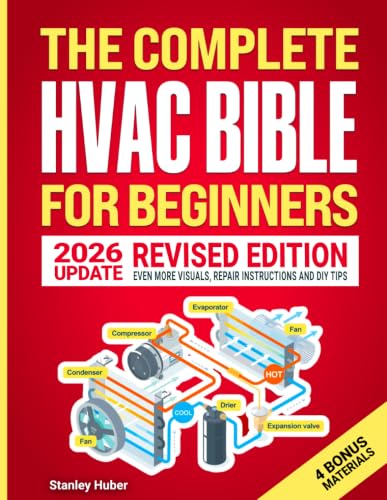
- Compression: The compressor pressurizes refrigerant gas, raising its temperature dramatically. This is the component that consumes the most electricity.
- Condensation: The hot, high-pressure gas travels to the outdoor condenser coil, where it releases heat to the outside air and condenses into a liquid.
- Expansion: The liquid passes through an expansion valve or metering device, which drops its pressure and temperature sharply.
- Evaporation: The cold refrigerant enters the indoor evaporator coil. As indoor air is drawn across the coil, the refrigerant absorbs heat and boils back into a gas, and the cycle repeats.
Meanwhile, a blower pushes the now-cooled air through your room or ductwork, and a condensate drain removes the moisture that condenses on the evaporator coil. That moisture removal is a major part of why an air conditioning system feels so different from a fan — it is dehumidifying your space at the same time it cools it.
In a heat pump system, the cycle can be reversed to provide heating in cooler months. If you are comparing heating and cooling options, our guide on summer heating and cooling explains how the same hardware can serve both seasons.
Key Components Explained
Every air conditioning system — regardless of type — relies on a core set of components. The quality and configuration of these parts largely determine the unit's efficiency, noise level, and expected service life.
Compressor
The engine of the system. It pressurizes refrigerant and is the largest single contributor to power draw. Inverter compressors modulate speed for smoother, more efficient operation.
Condenser Coil
Located outdoors, it releases absorbed heat to the outside air. Coil cleanliness directly affects efficiency — a dirty coil forces the compressor to work harder.
Evaporator Coil
Located indoors, it absorbs heat and moisture from your room air. It is the part that actually makes the air feel cool and dry.
Expansion Valve
Meters refrigerant flow into the evaporator, controlling pressure and temperature. A faulty valve can cause freezing or poor cooling.
Blower & Air Handler
Moves conditioned air through the space or ductwork. Variable-speed blowers improve comfort and reduce noise compared to single-speed designs.
Thermostat & Controls
The user interface for the system. Modern smart thermostats can schedule, zone, and monitor energy use. Learn more in our guide to thermostats for HVAC systems.
Refrigerant Lines
Connect indoor and outdoor sections. Proper line sizing and insulation are essential for efficiency and long-term reliability.
Ductwork (if present)
Distributes conditioned air in central systems. Leaky ducts can waste a significant share of the cooling you pay for.
Common Types of Air Conditioning Systems
The right configuration depends on your home's layout, whether ductwork exists, how many zones you need to control, and how much installation complexity you are prepared for. Below is a practical comparison of the most common system types.
| System Type | Market Tier | Best For | Key Considerations |
|---|---|---|---|
| Window AC | Entry-Level | Single rooms, renters, simple installations | Requires window access; limited coverage; easy to replace |
| Portable AC | Entry-Level | Spaces without window mounting options; temporary cooling | Needs venting; mobility is a plus; performance varies by design |
| Mini-Split (Ductless) | Mid-Range | Homes without ducts, multi-zone comfort, quiet operation | Professional installation; higher upfront complexity; excellent zoning |
| Central AC | Premium | Whole-home cooling with existing ductwork | Requires ducts; best comfort and aesthetics; higher install complexity |
| Through-the-Wall AC | Entry-Level | Rooms with wall sleeves; replacing existing units | Permanent installation; not portable; sleeve size must match |
For a deeper look at how these categories compare in practice, explore our guides on through-the-wall AC units and stand-alone air conditioner units. If you are evaluating portable options specifically, the most efficient portable air conditioner breakdown is a useful next step.
Efficiency Ratings You Should Know
Efficiency ratings are the clearest signal of how much energy a system will consume relative to the cooling it delivers. They are also the fairest way to compare units across tiers without relying on marketing language.
SEER and SEER2
SEER (Seasonal Energy Efficiency Ratio) measures cooling efficiency across a typical season. Newer DOE standards use SEER2, which applies more realistic test conditions. Higher numbers indicate greater efficiency. When comparing units, always compare like-for-like ratings — a SEER2 figure is not directly interchangeable with an older SEER figure.
EER and EER2
EER measures efficiency at a single high-temperature condition, making it useful for hot-climate performance. EER2 is the updated standard. If you live in a region with long, intense summers, EER deserves close attention alongside SEER.
HSPF for Heat Pumps
If your system also provides heating, HSPF measures heating efficiency. Systems with strong SEER and HSPF numbers are the most versatile year-round investments.
For a focused explanation, read our article on what the SEER rating means. To see how efficiency translates into real product choices, browse the top energy-efficient window air conditioners.
Sizing and BTU Basics
An air conditioning system must be sized to the space it serves. Too small, and it will run continuously without reaching the set temperature. Too large, and it will cool quickly but fail to remove humidity, leaving the room feeling clammy — and it will cycle on and off more often, which adds wear.
Capacity is measured in BTU (British Thermal Units) per hour. As a rough starting point, many rooms can be matched using square footage, ceiling height, insulation quality, window area, and occupancy as inputs. However, a proper load calculation accounts for local climate and construction details. Our guide on how to size an air conditioner walks through the process step by step.
- Small rooms generally fall in the entry-level capacity range.
- Medium rooms sit in the mid-range capacity band.
- Large or open-plan spaces require high-capacity or multi-zone solutions.
- Whole-home systems should always be sized with a professional load calculation.
For a visual, practical sizing walkthrough, see our air conditioning system overview and the related capacity guides linked throughout this page.
How to Choose the Right System
Buyers who research before purchasing consistently make better decisions. Use the checklist below to narrow your options before comparing specific models.
1. Define the Space and Zones
Single room, multiple rooms, or whole home? Multi-zone needs point toward mini-splits or central systems, while a single room can often be served by a window or portable unit.
2. Check Installation Constraints
Do you have ductwork? Window access? A wall sleeve? Electrical capacity? These practical factors often decide the system type before efficiency comparisons even begin.
3. Prioritize Efficiency for Long-Term Use
If the system will run daily for years, higher-efficiency models are a sound long-term investment. If it serves a guest room occasionally, a simpler entry-level unit may be the more sensible fit.
4. Consider Noise and Features
Variable-speed compressors and inverter technology reduce noise and improve temperature stability. Smart controls add convenience and can help manage runtime. Our guide to tower air conditioners covers how form factor affects these trade-offs.
5. Plan for Maintenance
Filter access, coil cleaning, and professional service intervals vary by type. Choose a system you can realistically maintain.
Maintenance and Longevity
A well-maintained air conditioning system lasts longer, cools more consistently, and uses less energy. The most impactful habits are simple:
- Clean or replace filters regularly — a clogged filter strains the blower and reduces airflow.
- Keep outdoor condenser coils free of debris, leaves, and dust.
- Check the condensate drain for blockages, especially in humid seasons.
- Schedule professional service before peak summer demand.
- Listen for changes in sound and watch for reduced cooling — early diagnosis prevents bigger repairs.
If your current unit is underperforming, our troubleshooting guide on troubleshooting air conditioning covers the most common symptoms, including the classic AC not blowing cold air scenario.
Ready to Compare Real Systems?
Now that you understand how the air conditioning system works, explore hand-picked models that match each system type and capacity band. Every recommendation is organized by tier, not by marketing hype.
View Recommended SystemsFrequently Asked Questions
What is the difference between an air conditioner and an air conditioning system?
An air conditioner usually refers to a single unit, while an air conditioning system refers to the complete setup — indoor and outdoor components, controls, and distribution (ducts or direct air paths). The system is what delivers comfort to your space as a whole.
Does a higher SEER rating always mean better comfort?
Not automatically. SEER measures efficiency, not comfort. Comfort also depends on correct sizing, humidity control, airflow, and installation quality. A well-sized mid-range system often feels better than an oversized high-efficiency one.
How long does an air conditioning system typically last?
With regular maintenance, most systems last well over a decade. Window and portable units generally have shorter service lives than central or mini-split systems because their components are more compact and exposed to more handling.
Can I install a mini-split myself?
Mini-splits require refrigerant handling, vacuuming, and electrical work. Professional installation is strongly recommended for safety, warranty coverage, and performance. DIY installation often leads to efficiency losses and premature failure.
Why does my AC run constantly but not cool the room?
Common causes include a dirty filter, low refrigerant, a failing compressor, blocked condenser coils, or an undersized unit for the space. Start with the simplest checks, then consult a technician if the problem persists.