Wall Air Conditioner Without Outdoor Unit: Complete Guide
Understand self-contained wall air conditioners that cool without a separate outdoor condenser. Learn how through-the-wall systems work, where they fit, and what to check before choosing one.
EXPLORE WALL AC OPTIONSWhy buyers search for a wall air conditioner without an outdoor unit: Split systems are efficient and quiet, but they require an outdoor condenser, a wall penetration for refrigerant lines, and professional installation. For some homes — apartments, condos, historic buildings, or rooms where an outdoor unit is not permitted — a self-contained wall air conditioner is the practical alternative. This guide explains exactly what that category includes, how it differs from a split system, and how to decide if it fits your situation.
What Does "Wall Air Conditioner Without Outdoor Unit" Really Mean?
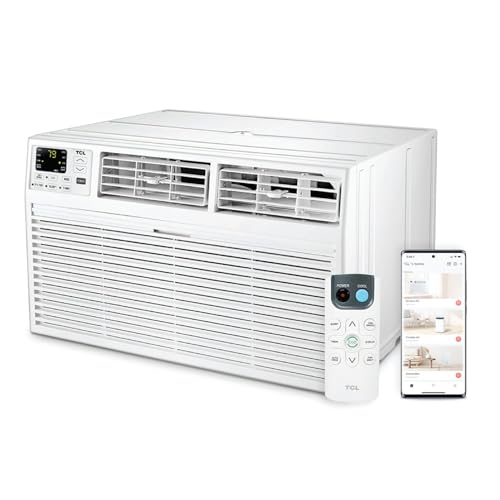
The phrase can describe a few different products, and the distinctions matter. The most common interpretation is a self-contained wall air conditioner, also called a through-the-wall air conditioner or a packaged terminal air conditioner (PTAC). These units house the compressor, condenser, evaporator, and blower in a single chassis that installs through a wall sleeve. The rear of the chassis vents to the outdoors through the wall opening, so there is no separate outdoor condenser and no refrigerant line set running between two components.
This is fundamentally different from a split system. A split system always has an outdoor unit because that is where heat is rejected. A self-contained wall unit rejects heat through the same chassis, using the wall opening as its outdoor vent. That is why it can honestly be described as a wall air conditioner without an outdoor unit — the "outdoor" function is built into the wall-mounted cabinet.
Some buyers also use the phrase loosely when looking for window air conditioners or portable units that can be mounted near a wall. Those are separate product categories. For a comparison of ductless split configurations that do require an outdoor unit, the guide to wall-mounted air conditioner without external unit explains the terminology and the alternatives.
Types of Self-Contained Wall Air Conditioners
Within the self-contained category, there are several configurations. Each has a different installation profile and ideal use case.
Through-the-Wall AC
A single chassis installed through a wall sleeve, with the indoor face in the room and the rear venting outdoors. These are common in apartments, condos, and hotel rooms. They cool a single room and typically include a remote or wall thermostat. The through-the-wall AC overview covers sizing and installation details.
PTAC with Heat
Packaged terminal air conditioners often include electric resistance heat or a heat pump function, providing both cooling and heating from the same wall-mounted chassis. These are widely used in hotels and multi-family buildings. The wall-mounted air conditioner and heater combo guide covers combined-function options.
Sleeve Replacement Units
If a wall sleeve already exists from a previous unit, a replacement chassis can often slide in without cutting a new opening. This is the easiest installation path and the most common reason buyers search for this category. The wall sleeve for through-the-wall air conditioners resource explains sleeve sizing and compatibility.
Window Units as an Alternative
If cutting a wall opening is not an option, a window air conditioner is the closest alternative that also avoids an outdoor unit. It sits in a window opening rather than a wall sleeve. The window air conditioner guide compares window and through-the-wall formats.
How a Self-Contained Wall AC Works
Understanding the operating principle clarifies why this category exists and what its limitations are. The unit runs the same refrigeration cycle as any air conditioner, but all components are in one cabinet.
Cooling cycle. Room air is drawn through the evaporator coil, where refrigerant absorbs heat and moisture. The cooled air is blown back into the room. The absorbed heat is transferred to the condenser coil at the rear of the chassis, and the condenser fan pushes that hot air outdoors through the wall opening.
Air separation. The wall sleeve and chassis design separate the indoor air path from the outdoor air path. The indoor face draws room air and delivers cooled air; the outdoor face draws outdoor air across the condenser and exhausts hot air. Proper sealing between the two sides is essential — a poor seal allows hot outdoor air to leak back into the room and undermines performance.
Condensate handling. Moisture removed from the air either drips into a drain pan and is evaporated by the condenser fan, or drains through a port in the sleeve. Some units require a slight backward tilt so condensate drains outdoors rather than into the room.
If you are comparing this category with a split system that uses a wall-mounted indoor head and a separate outdoor condenser, the guide to split system wall mounted air conditioner explains the two-component architecture and its advantages.
Advantages and Limitations
Self-contained wall units solve specific problems well and fall short in others. Being clear about both sides helps you avoid a mismatch.
Strengths
- No separate outdoor condenser unit required
- Single-chassis design simplifies the equipment footprint
- Replacement units can often slide into an existing wall sleeve
- Common in apartments, condos, and multi-family buildings
- Many models include heating as well as cooling
- No refrigerant line set to run between components
Considerations
- Requires a wall opening or an existing wall sleeve
- Generally louder than split systems because the compressor is indoors
- Less efficient than split systems due to single-chassis design
- Cooling capacity is limited to a single room
- New wall opening installation requires cutting, framing, and often electrical work
- Indoor face is visible and takes up wall space
Sizing and Choosing the Right Capacity
Self-contained wall AC capacity is rated in BTU per hour, and correct sizing determines whether the unit meets your expectations. An undersized unit runs constantly without reaching the setpoint. An oversized unit cools quickly but cycles frequently and leaves humidity high.
As a starting reference, a room of roughly 150 to 250 square feet typically pairs with a 6,000 to 8,000 BTU wall unit, while 250 to 400 square feet calls for approximately 9,000 to 12,000 BTU. These are starting points, not rules. The detailed walkthrough in how to size an air conditioner explains how to adjust for sun exposure, ceiling height, and occupancy.
If you are replacing an existing unit in a wall sleeve, capacity is often constrained by the sleeve size and the electrical circuit available. Verify the sleeve dimensions and voltage before shopping. The wall sleeve for through-the-wall air conditioners guide explains how to measure and match a replacement unit.
Tier Comparison: Matching the Unit to Your Needs
Self-contained wall air conditioners are available across a range of market positions. The table below summarizes what each tier typically emphasizes, without reference to specific numeric figures.
| Unit Tier | Best For | Typical Emphasis | Heating |
|---|---|---|---|
| Entry-level | Replacement units in existing sleeves | Core cooling function, basic controls, simple installation | Cooling only |
| Mid-range | Regular use in bedrooms and living areas | Better efficiency, quieter operation, remote control, timer | Cooling only or heat strip option |
| Premium | Frequent use and combined heating needs | Heat pump function, improved filtration, digital controls | Heat pump or electric heat |
| Top-tier | Maximum efficiency and smart control | Wi-Fi connectivity, app scheduling, refined airflow design | Heat pump with smart controls |
Each tier represents a different balance of convenience, efficiency, and control sophistication. The entry-level category covers the essentials, while higher tiers add efficiency, quieter operation, and smart controls. The right choice depends on how often you use the unit, whether you need heating, and whether app-based scheduling matters to you.
Installation Essentials
Installation complexity depends on whether a wall sleeve already exists. Replacement installations are straightforward; new wall openings are significant construction projects.
Replacement in an existing sleeve. The unit slides into the sleeve and is secured with the supplied hardware. The electrical plug must match the circuit available at the sleeve location. Verify sleeve dimensions, voltage, and amperage before ordering. The wall sleeve guide explains the measurement process.
New wall opening. Cutting a new opening requires structural assessment, framing, exterior finishing, and often a dedicated electrical circuit. This is best handled by a qualified contractor. Verify local code requirements before cutting any wall opening. The article on how to get an AC permit covers permitting considerations.
Electrical capacity. Wall units draw significant current and should be plugged directly into a compatible outlet, not an extension cord. Verify that the circuit can handle the load. If you are uncertain, the check home electrical panel guide outlines what to evaluate.
Sealing and drainage. The gap between the chassis and sleeve must be sealed to prevent air and water infiltration. The unit should be level or tilted slightly backward so condensate drains outdoors. Poor sealing and drainage are the most common sources of performance complaints and water damage.
Maintenance for Wall Air Conditioners
Self-contained wall units reward consistent care. The single most impactful habit is cleaning the air filter every two to four weeks during heavy use. A clogged filter restricts airflow, reduces cooling capacity, and can cause the evaporator coil to freeze. The guide to split AC filter replacement explains filter types and replacement intervals, and the same principles apply here.
Beyond filters, keep the outdoor-facing side of the chassis free of debris, leaves, and bird nests. Inspect the seal between the chassis and sleeve periodically and replace worn weatherstripping. Clean the condensate drain path to prevent water backup.
If cooling performance drops, check the filter, verify the seal, and inspect the outdoor vent for blockage. If the unit runs but does not cool, the refrigerant charge may be low or the compressor may be failing. The troubleshooting air conditioning guide covers common symptoms. If the unit is not blowing cold air at all, the wall unit air conditioner not blowing cold air resource walks through likely causes.
Self-Contained Wall AC vs Split System
If you are deciding between a self-contained wall unit and a split system, the trade-offs are mostly about installation requirements and performance.
A split system is quieter, more efficient, and better at whole-room cooling, but it requires an outdoor condenser, a wall penetration for refrigerant lines, and professional installation. A self-contained wall unit avoids the outdoor condenser and refrigerant line work but is louder and less efficient. The split air conditioning overview compares split configurations.
If your situation allows an outdoor unit and you value quiet operation and efficiency, a split system is generally the better long-term choice. If an outdoor unit is not permitted or not feasible, a self-contained wall unit is the practical alternative. The wall-mounted air conditioner without outdoor unit guide compares the alternatives in more detail.
For spaces where wall mounting is not possible either, a portable unit may be the only option. The stand alone portable air conditioning units overview explains how portable cooling compares.
Frequently Asked Questions
Is there really a wall air conditioner without an outdoor unit?
Yes, but it is not a split system. Self-contained wall air conditioners, also called through-the-wall or packaged terminal air conditioners (PTACs), house all components — compressor, condenser, evaporator — in a single chassis installed through a wall sleeve. They vent to the outside through the wall opening, so there is no separate outdoor condenser unit.
How does a wall air conditioner without an outdoor unit vent heat?
The single chassis draws in room air, cools it through the evaporator coil, and exhausts heat through the rear of the unit to the outdoors. The wall sleeve separates the indoor and outdoor sides of the chassis. Because the condenser is built into the same unit, the wall opening itself serves as the outdoor vent — no separate condenser unit or refrigerant line set is required.
Does a self-contained wall air conditioner require professional installation?
It depends on the configuration. Units designed for an existing wall sleeve can often be installed by a confident DIYer because they simply slide into the sleeve and plug in. However, installing a new wall sleeve requires cutting through the wall, framing, and often electrical work, which is best handled by a professional. Verify local code requirements before cutting any wall opening.
Can a self-contained wall unit heat as well as cool?
Many packaged terminal air conditioners include electric resistance heat or a heat pump function, providing both cooling and heating from the same chassis. These are widely used in hotels and multi-family buildings. The guide to wall-mounted air conditioner and heater combo covers combined-function options.
What is the difference between a through-the-wall AC and a window AC?
A through-the-wall unit installs in a dedicated wall sleeve and vents through the wall opening. A window unit sits in a window opening and vents through the window frame. Through-the-wall units are more permanent, do not block windows, and are common in apartments and condos. Window units are easier to install and remove but block the window view and are more vulnerable to weather.
How do I know which replacement unit fits my existing wall sleeve?
Measure the sleeve's interior width, height, and depth, and note the chassis dimensions of the old unit. Also verify the voltage and amperage of the existing circuit. Many manufacturers publish sleeve compatibility charts. The wall sleeve guide explains how to measure and match a replacement unit.
Ready to Compare Self-Contained Wall Air Conditioners?
You now understand how wall units without outdoor condensers work, where they fit best, and what to check before buying. The next step is matching a specific unit to your room, sleeve, and electrical setup. Browse curated recommendations below to see how the tiers translate into real products.
View Recommended Wall AC Units