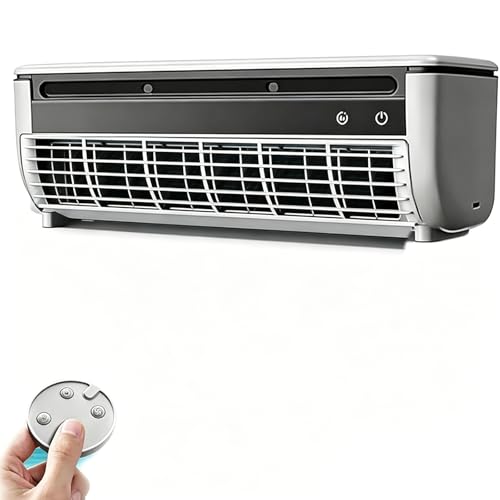
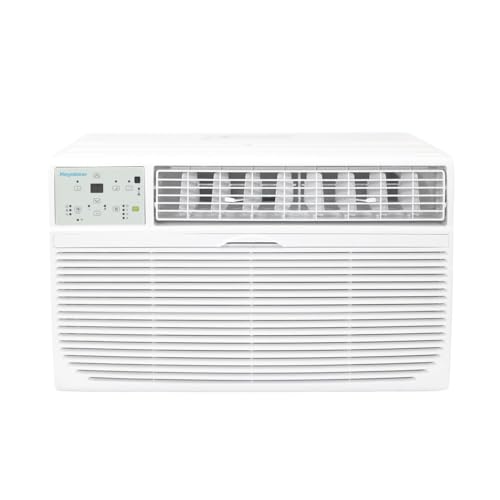
Wall Mounted Air Conditioner Without Outdoor Unit: Guide
Understand how self-contained wall air conditioners work, which designs need no exterior condenser, how to size one for your room, and what to check before you buy.
START LEARNINGWhy this category matters: Many homes, rentals, and managed buildings cannot place an outdoor condenser on a balcony or exterior wall. A wall mounted air conditioner without outdoor unit solves that problem by putting every component into a single wall-mounted chassis. This guide explains how the format works, which sub-types exist, and how to choose one that fits your space and building rules.
What "Without Outdoor Unit" Really Means
A wall mounted air conditioner without outdoor unit is a single-chassis system. The compressor, condenser coil, condenser fan, evaporator coil, and indoor blower all live inside one wall-mounted cabinet. Instead of relying on a separate condenser sitting on the ground or a bracket, the unit draws outdoor air through the wall opening, rejects heat, and returns cooled air to the room.
This design is common in three situations: older apartment buildings that already have through-the-wall sleeves, hotels and motels that use packaged terminal units, and rooms where a building rule prohibits exterior equipment. The trade-off is that all the mechanical work happens in one box near the room, which can make the unit slightly louder than a split system and puts all service access on the indoor side.
If you are comparing this format against a mini-split, the difference is straightforward. A mini-split has an indoor head and an outdoor condenser connected by refrigerant lines. A self-contained wall unit has no exterior condenser. The article on wall air conditioner without outdoor unit covers the broader category, while this page focuses on the wall-mounted variant specifically.
For a wider look at how wall-mounted formats compare, the guide to wall AC units for air conditioning explains the differences between window, through-the-wall, and wall-mounted designs.
Main Types of Wall AC Without Outdoor Unit
Not every self-contained wall unit is built the same way. These are the formats you will encounter when shopping.
Packaged Terminal Units (PTAC)
A single chassis that slides into a wall sleeve and vents through the exterior wall. Common in hotels, apartments, and senior housing. Many PTACs also include an electric heating element, making them a cooling and heating combo.
Best for: buildings with existing sleeves and managed properties.
Self-Contained Wall Units
A wall-mounted box with all components inside, venting through a wall opening. Usually installed with a sleeve or a framed opening. Common in small rooms and rentals.
Best for: small rooms, rentals, and buildings that prohibit exterior equipment.
Sleeve Replacement Units
A drop-in chassis for an existing wall sleeve for through-the-wall air conditioners. Restores cooling without new construction or exterior changes.
Best for: replacing an aging unit without touching the building envelope.
Wall-Mounted Combo Units
Self-contained wall units that cool in summer and heat in winter using an electric element. The wall heater and air conditioner combination category covers the heating side in more detail.
Best for: rooms without a dedicated heating source.
Wall-Mounted Split Without Outdoor Unit
A less common design that pairs an indoor wall head with a remote condenser installed elsewhere in the building, such as a mechanical room. It is not fully self-contained, but it removes the exterior condenser from the wall.
Best for: buildings with centralized mechanical space and strict façade rules.
Small-Room Wall Units
Entry-level self-contained units sized for bedrooms, home offices, and small apartments. The guide to wall mounted air conditioner for small room explains sizing for tighter spaces.
Best for: bedrooms, studios, and single-room cooling.
If you are weighing a self-contained wall unit against a wall-mounted mini-split head, the article on wall mounted air conditioner without external unit compares the two approaches. For a broader look at wall-mounted cooling and heating options, see wall mounted air conditioning and heating units.
How the Single-Chassis Design Rejects Heat
In a conventional split system, the condenser sits outdoors and rejects heat into the outside air. In a self-contained wall unit, the condenser is inside the same cabinet as the evaporator. The unit is divided internally into an outdoor-air side and an indoor-air side by a partition, and the wall opening is what allows the condenser side to breathe.
Here is the sequence in cooling mode:
- The indoor blower pulls warm room air across the evaporator coil, where refrigerant absorbs heat.
- The cooled air is returned to the room.
- The compressor raises the refrigerant pressure and temperature.
- The condenser fan pulls outdoor air through the wall opening and across the condenser coil, where the heat is released.
- Warm air is exhausted back outside through the same opening or sleeve.
Because the condenser fan and compressor are close to the room, self-contained units can be louder than a mini-split. Manufacturers address this with insulated cabinets, vibration isolation, and multi-speed fans. If quiet operation matters, look for models with a low-speed fan setting and a solid build, and consider placement away from beds and desks.
Some units include a heating element that warms air as it passes through the cabinet. This is why a wall-mounted cooling and heating combo can serve year-round comfort without a separate heater. For a deeper comparison of heating formats, see wall air conditioners and heaters.
How to Size a Self-Contained Wall Unit
Sizing a wall AC without outdoor unit follows the same logic as sizing any room air conditioner, with a few adjustments for the single-chassis format.
Start with floor area. A rough guide is 20 BTU per square foot. A 300-square-foot room starts around 6,000 BTU and often lands around 8,000 BTU after adjustments. For a 150-square-foot bedroom, a 5,000–6,000 BTU unit is usually enough.
Adjust for the room. Add capacity for sunny windows, high ceilings, poor insulation, kitchens, and home offices with computers. Reduce capacity for shaded, well-insulated rooms. The article on how to size an air conditioner walks through the calculation, and the guide on what happens if an AC is too big or too small explains the risks of oversizing.
Consider the wall opening. Self-contained units are limited by the sleeve or opening size. Larger capacities need a larger cabinet and a larger wall opening, so a very small sleeve may cap the capacity you can install. Measure the sleeve before shopping.
Account for heating if needed. If the unit also heats, confirm the heating output matches the room's heat loss. Electric resistance heat is simple and works in cold weather, but it uses more energy than a heat pump. The article on wall mounted electric heater and air conditioner explains the trade-offs.
| Room Size | Typical Cooling Capacity | Typical Wall Format | Best For |
|---|---|---|---|
| Up to 150 sq ft | 5,000–6,000 BTU | Compact self-contained wall unit | Bedrooms, home offices, small rentals |
| 150–250 sq ft | 8,000–10,000 BTU | PTAC or mid-size self-contained unit | Studios, guest rooms, apartments |
| 250–400 sq ft | 12,000–14,000 BTU | PTAC with heat or larger wall chassis | Living rooms, hotel suites, additions |
| 400–600 sq ft | 18,000–24,000 BTU | High-capacity PTAC or commercial-grade wall unit | Open-plan areas, converted garages |
If the room is part of a larger apartment with multiple zones, a single self-contained unit in the main living area may not reach the bedrooms. In that case, a multi-zone approach with separate wall units, or a mini-split with multiple heads such as a two-head mini-split, may be a better fit. For a broader comparison of multi-room systems, see split system air conditioning system.
Efficiency and Tier Comparison
Efficiency in a self-contained wall unit is usually expressed as a SEER2 or EER rating. Higher numbers mean more efficient operation. Because the compressor and condenser share a cabinet, self-contained units typically trail mini-splits on raw efficiency, but the gap has narrowed with inverter-driven models. For background, see what is a SEER rating and what is an EER rating.
Beyond the rating, self-contained wall units fall into recognizable market tiers. The table below compares them using neutral tier descriptors.
| Tier | Typical Characteristics | Heating Method | Best For |
|---|---|---|---|
| Entry-level | Single-speed compressor, basic controls, simpler cabinet construction | Cooling only or basic resistance heat | Occasional use, rentals, mild climates |
| Mid-range | Better cabinet insulation, quieter fans, programmable thermostat | Resistance heat or basic heat pump | Daily comfort in bedrooms and living rooms |
| Premium | Inverter compressor, low-noise operation, smart controls, improved filtration | Heat pump with resistance backup | Primary cooling and heating in owned homes |
| Commercial-grade | Heavy-duty chassis, reinforced components, service-friendly design | Hybrid heat pump with resistance backup | Hotels, apartments, managed properties |
A mid-range unit typically offers smoother temperature control and quieter operation than an entry-level model. A premium inverter unit can hold a steady setpoint with less cycling, which matters in a bedroom. Within the same tier, compare SEER2 and EER ratings rather than assuming all units perform similarly. For the standards behind those numbers, see SEER vs SEER2 DOE standards.
If the unit also heats, check the heating efficiency separately. Electric resistance heat is rated differently from heat pump heat, and the article on what is an HSPF rating explains how heat pump efficiency is measured.
Installation Options and Constraints
Installation complexity for a self-contained wall unit depends on whether an opening already exists.
- Sleeve replacement. The simplest path. If the room already has a sleeve, a new chassis slides in and connects to the existing electrical supply. This is the most rental-friendly route and often the fastest.
- New wall opening. Requires cutting the wall, framing the opening, and providing electrical service. More invasive, and usually needs landlord and possibly building approval. A proper wall sleeve protects the chassis and provides a clean exterior finish.
- Electrical supply. Self-contained wall units run on 110V or 240V circuits. Confirm the circuit and breaker can handle the unit. The guide on 110V vs 240V air conditioner explains the differences, and the article on amps and breaker size for AC covers the breaker calculation.
- Drainage. Cooling produces condensate. Self-contained units typically drain through the wall sleeve. Confirm the drain path before installation. A poorly routed drain is a common cause of water dripping from AC vents.
- Permits. Some jurisdictions require a permit for new HVAC circuits or wall penetrations. The article on how to get an AC permit walks through the process.
If you are installing a new wall opening from scratch, the article on wall mounted air conditioning unit installation covers framing, support, and sealing. For a broader look at wall-mounted installation, see wall mounted air conditioner with installation.
If you are weighing a self-contained wall unit against a wall-mounted split that still needs an outdoor condenser, the guide to wall mounted air conditioner with outdoor unit explains the trade-offs in efficiency, noise, and installation.
Maintenance Tips for Single-Chassis Units
Because everything is in one cabinet, maintenance is mostly about airflow and cleanliness. A clogged filter or dirty coil forces the compressor to work harder and increases noise.
- Filters. Clean or replace the air filter every one to three months. In a dusty room or a home with pets, check monthly. See when to replace an AC filter.
- Indoor coil and blower. Dust accumulates on the evaporator coil and blower wheel. Clean annually. The guide on cleaning evaporator coils covers the process.
- Condenser coil. The outdoor-air side of the cabinet pulls in dust and debris. Clean the condenser coil annually, and keep the exterior grille clear. The article on cleaning condenser coils explains how.
- Condensate drain. Flush the drain line at the start of cooling season. A blocked drain can cause water to back up into the room.
- Professional service. Schedule an annual check that covers refrigerant charge, electrical connections, and the blower. The article on when to call an HVAC technician helps you recognize when a problem is beyond DIY.
If the unit is not cooling properly, the troubleshooting guide on wall unit air conditioner not blowing cold air covers the most common causes, from dirty filters to refrigerant issues. For broader troubleshooting, see troubleshooting air conditioning.
Noise is a common complaint with single-chassis units. Keeping the filter clean, mounting the unit securely, and choosing a model with a low-speed fan setting all help. If noise is your main concern, the guide on quiet air conditioner explains what to look for.
Buying Checklist Before You Decide
Use This Checklist to Narrow Your Options
- Confirm the wall opening or sleeve size. A self-contained unit must fit the existing sleeve or a planned opening.
- Measure the room and calculate load. Use a load calculation or a reputable sizing guide, not just square footage.
- Decide on heating needs. If the room needs heat, choose a combo unit and confirm the heating output.
- Check the electrical circuit. Match the unit's voltage and amperage to the available circuit.
- Plan for drainage. Confirm where condensate will go and that the route will not damage the building.
- Choose the right tier. Entry-level for occasional use, mid-range for daily comfort, premium for primary cooling and heating.
- Check the warranty and service network. A longer warranty is useful only if service is available in your area.
- Read the manual for clearances. Furniture and curtains can block airflow and reduce performance.
If you are comparing a self-contained wall unit against a wall-mounted mini-split that requires an outdoor condenser, the article on wall mounted air conditioner with heat pump explains how the two approaches differ in efficiency and heating performance.
If you are replacing an existing unit rather than installing a new one, the guide to wall mounted air conditioner cleaning service explains what a professional service typically covers before you decide to replace rather than service.
Frequently Asked Questions
What is a wall mounted air conditioner without outdoor unit?
It is a single-chassis wall-mounted cooling system that contains the compressor, condenser, evaporator, and fan inside one cabinet. It vents through an exterior wall or an existing wall sleeve instead of relying on a separate outdoor condenser, so no external equipment is required.
How does a wall AC without an outdoor unit reject heat?
The condenser coil and fan are built into the same chassis as the indoor section. The fan draws outdoor air through the condenser and exhausts warm air back outside through the wall opening or sleeve, while the evaporator side cools and circulates room air indoors.
Does a wall mounted air conditioner without outdoor unit heat as well?
Some models are cooling-only, while others include an electric heating element and are sold as wall-mounted cooling and heating combos. Heat pump versions exist but are less common in self-contained wall formats. Confirm the heating method before you buy if winter comfort matters.
How do I size a self-contained wall air conditioner?
Start with about 20 BTU per square foot of floor area, then adjust for ceiling height, sun exposure, window area, insulation, and occupancy. A 300-square-foot room often lands around 6,000 to 8,000 BTU after adjustments. A load calculation gives a more precise result.
Can I install a wall air conditioner without outdoor unit in a rental?
It is more rental-friendly than a mini-split because there is no exterior condenser, but you still need landlord approval for the wall opening or sleeve. A sleeve replacement that matches an existing opening is the least invasive path.
Ready to Compare Wall AC Units Without Outdoor Units?
Explore recommended wall-mounted air conditioners that need no exterior condenser, selected for different room sizes and building constraints.
View Recommended Units