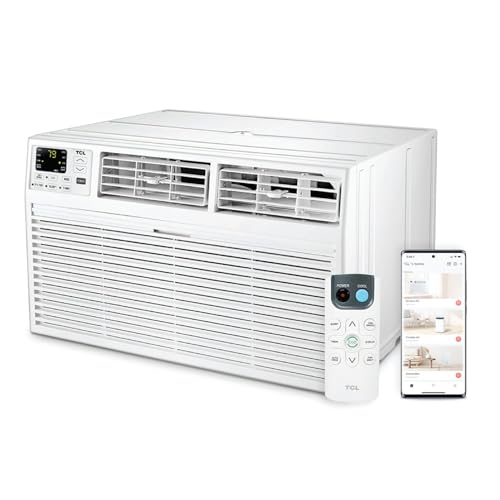
Wall Mounted Air Conditioner and Heating Units: The Complete Guide
Discover how wall mounted heating and cooling units work, which types suit your space, how to size them correctly, and what to check before you buy — so you can enjoy comfortable temperatures in every season.
Explore the GuideWhy wall mounted units matter: A wall mounted air conditioner and heating unit combines cooling and heating in a single, space-saving indoor unit that mounts high on the wall. Unlike traditional central systems, these ductless units deliver conditioned air directly into the room, which means less energy loss, easier installation, and room-by-room control. This guide walks you through the essentials so you can make an informed decision.
What Is a Wall Mounted Air Conditioner and Heating Unit?
A wall mounted air conditioner and heating unit is a ductless system that provides both cooling and heating from one indoor unit mounted high on a wall. It connects to an outdoor compressor via refrigerant lines and uses a heat pump mechanism to reverse the refrigerant cycle — absorbing heat from outside to warm your room, or expelling indoor heat to cool it.
These systems are part of the broader split system air conditioning and heating family. The indoor air handler is often called a split system wall mounted air conditioner, while the complete setup is frequently described as a wall mounted heating and air conditioning solution.
Because they do not rely on ductwork, wall mounted units are ideal for homes without existing ducts, room additions, converted garages, and spaces where running ductwork would be impractical or inefficient. They are also known as wall mounted ductless air conditioner units.
Types of Wall Mounted Air Conditioner and Heating Units
Not all wall mounted heating and cooling units are the same. The right choice depends on your climate, whether you have an outdoor unit, and how much control you want over individual rooms.
Standard Wall Mounted Heat Pump
A conventional ductless mini-split with an indoor wall unit and an outdoor compressor. It provides both cooling and heating and is the most widely installed type. Modern inverter-driven models modulate compressor speed for precise temperature control and better efficiency.
- Requires an outdoor unit
- Best for single rooms or zones
- Heating performance declines in extreme cold
Cold-Climate Wall Mounted Heat Pump
Designed to operate in sub-freezing temperatures, cold-climate models use enhanced compressors and defrost logic to deliver heat even when outdoor temperatures drop well below freezing. These are ideal for regions with harsh winters.
- Works in temperatures as low as -13°F
- Higher heating capacity than standard models
- Typically premium-tier within the category
Wall Mounted Unit Without Outdoor Unit
Some configurations, such as wall mounted air conditioner without outdoor unit designs, use a self-contained or through-the-wall approach. These are less common for heating but exist for specific installations where an outdoor unit is not feasible.
- Limited heating capability
- Suitable for mild climates
- Easier installation in some cases
Wall Mounted AC and Heater Combo
A wall mounted air conditioner and heater combo integrates both functions into one unit. These are often packaged systems with electric heating elements or heat pump operation, providing a compact all-in-one solution.
- Single-unit convenience
- Simpler installation than separate systems
- Heating may use electric resistance in some models
If you are comparing configurations, it helps to understand the difference between a wall mounted air conditioner with heat pump and a traditional electric-resistance heater. Heat pumps are significantly more efficient for heating because they move heat rather than generate it. You can also explore wall air conditioners and heaters for a broader overview of wall-mounted options.
How Wall Mounted Heating and Cooling Units Work
Understanding the mechanics helps you evaluate performance claims and ask the right questions during installation. Here is the basic sequence:
- Cooling mode: The indoor unit absorbs heat from room air and transfers it to the refrigerant, which carries it to the outdoor unit for release.
- Heating mode: The refrigerant cycle reverses. The outdoor unit absorbs heat from outside air (even cold air contains heat) and transfers it indoors.
- Inverter modulation: The compressor varies its speed to match the load, maintaining a steady temperature instead of cycling on and off.
- Air distribution: A motorized louver directs airflow horizontally or vertically, and fan speed adjusts to your comfort preference.
- Filtration: Washable or replaceable filters capture dust and particles before air re-enters the room.
For a deeper explanation of the heating side, see wall mounted heating and air conditioning units and the related wall mounted air conditioning and heating units overview.
Sizing a Wall Mounted Unit for Your Room
Correct sizing is critical. An undersized unit runs continuously and struggles to reach the set temperature. An oversized unit cools or heats too quickly, cycles frequently, and may leave hot or cold spots. Either way, comfort and efficiency suffer.
| Room Size | Approximate Capacity | Best For | Typical Tier |
|---|---|---|---|
| Up to 150 sq ft | 5,000 – 6,000 BTU | Small bedroom, home office, studio | Entry-level |
| 150 – 250 sq ft | 8,000 – 10,000 BTU | Medium bedroom, small living room | Entry to mid-range |
| 250 – 400 sq ft | 12,000 – 14,000 BTU | Large bedroom, living room | Mid-range |
| 400 – 600 sq ft | 18,000 – 24,000 BTU | Open-plan living area, master suite | Mid to premium |
| 600 – 900 sq ft | 24,000 – 36,000 BTU | Large open space, multi-room zone | Premium |
These figures assume standard ceiling height (8–9 ft), average insulation, and moderate climate. Adjust upward for high ceilings, large windows, poor insulation, or extreme climates. For a more precise estimate, use our BTU calculator by room size or review how to size an air conditioner.
Keep in mind that heating capacity can differ from cooling capacity in cold weather. A unit rated for 12,000 BTU cooling may produce less heating output at low outdoor temperatures. Always check the heating capacity at your design temperature, not just the nominal rating.
Efficiency Ratings: What to Look For
Efficiency directly affects long-term operating performance and environmental impact. Three ratings matter most:
- SEER2: Seasonal Energy Efficiency Ratio for cooling. Higher is better. Look for 15+ for standard efficiency and 18+ for premium efficiency.
- EER2: Energy Efficiency Ratio at peak load. Useful for comparing performance on the hottest days.
- HSPF2: Heating Seasonal Performance Factor. Higher values indicate more efficient heating. Look for 8.5+ for good performance and 10+ for premium.
Inverter-driven compressors typically deliver higher seasonal efficiency than single-speed compressors because they avoid repeated on/off cycling. If you are comparing technologies, our guides on inverter AC and what is SEER rating explain the details.
For homes in cold climates, prioritize HSPF2 over SEER2 if heating is your primary concern. A unit with excellent cooling efficiency but modest heating efficiency may not be the best fit for year-round comfort in a cold region.
Installation Considerations
Proper installation determines whether a wall mounted unit performs as designed. Key factors include:
- Wall location: Mount the indoor unit high on an exterior wall, ideally centered in the room, with clear space for airflow.
- Outdoor unit placement: The outdoor compressor needs adequate clearance, stable footing, and protection from snow accumulation.
- Refrigerant line length: Keep the line set as short as practical to minimize capacity loss. Check the manufacturer's maximum line length and elevation difference.
- Electrical requirements: Most systems require a dedicated circuit. Confirm voltage and amperage with a licensed electrician.
- Condensate drainage: Ensure the drain line slopes correctly and terminates where water will not cause damage.
- Permits: Many jurisdictions require a permit for HVAC installation. Check local codes before work begins.
For a step-by-step overview, see wall mounted air conditioning unit installation and wall mounted air conditioner heater combo installation. If you are hiring a contractor, our guide on how to choose an HVAC contractor covers what to ask and what to verify.
Maintenance Tips for Long-Term Performance
Regular maintenance keeps your system efficient and extends its service life. A basic routine includes:
Monthly
- Inspect and clean or replace air filters
- Check that indoor and outdoor units are free of obstructions
- Look for water leaks or unusual noises
Seasonally
- Clean the outdoor coil and remove debris
- Clear the condensate drain line
- Inspect refrigerant lines for insulation damage
Annually
- Schedule a professional tune-up
- Check refrigerant charge and electrical connections
- Test heating and cooling modes before seasonal transitions
If your unit is not performing as expected, our troubleshooting resources on troubleshooting air conditioning and wall unit air conditioner not blowing cold air can help you identify common issues. For professional cleaning, see wall mounted air conditioner cleaning service.
Who Should Choose a Wall Mounted Unit?
Wall mounted heating and cooling units are a strong fit for several scenarios:
- Homes without ductwork: Older homes, historic properties, and additions where installing ducts is impractical.
- Room-by-room control: Households with varying temperature preferences across rooms.
- Small apartments and studios: A wall mounted air conditioner for apartment provides efficient heating and cooling without major construction.
- Small rooms: A wall mounted air conditioner for small room is often the most practical choice.
- Renters and temporary setups: Some portable and wall-mounted options do not require permanent modifications.
They are less suitable for whole-home heating in extremely cold climates unless you choose a cold-climate model, and they may not integrate seamlessly with existing central systems without proper planning.
Wall Mounted vs Other Heating and Cooling Options
| Feature | Wall Mounted Ductless | Central AC + Furnace | Window AC + Space Heater | Portable AC + Heater |
|---|---|---|---|---|
| Ductwork required | No | Yes | No | No |
| Room-by-room control | Yes | Limited | Yes | Yes |
| Heating efficiency | High (heat pump) | Varies by fuel | Low (resistance) | Low to moderate |
| Installation complexity | Moderate | High | Low | Low |
| Best for | Ductless homes, additions, zones | Whole-home comfort | Single rooms, temporary | Renters, mobility |
If you are weighing ductless against ducted options, our comparison of ductless vs ducted AC provides a detailed breakdown. For a broader look at system types, see types of air conditioning units and type of air conditioning systems.
Frequently Asked Questions
What is a wall mounted air conditioner and heating unit?
It is a ductless system that mounts high on a wall and provides both cooling and heating from a single indoor unit. It pairs with an outdoor compressor and uses a heat pump mechanism to reverse the refrigerant cycle for heating.
Do wall mounted heating and cooling units require ductwork?
No. Wall mounted ductless units deliver conditioned air directly into the room, so they do not require ductwork. This makes them suitable for older homes, additions, and spaces where installing ducts is impractical.
Can a wall mounted air conditioner and heater work in cold climates?
Yes, but performance depends on the model. Standard heat pumps operate efficiently down to around 25°F to 30°F. Cold-climate heat pumps are designed to work in temperatures as low as -13°F and are the better choice for colder regions.
How do I size a wall mounted air conditioner and heating unit?
Sizing depends on room square footage, ceiling height, insulation, window area, and climate. A common rule of thumb is 20 BTU per square foot, but a professional load calculation is recommended for accurate sizing.
What SEER rating should I look for in a wall mounted heat pump?
Look for a SEER2 rating of at least 15 for standard efficiency and 18 or higher for premium efficiency. Higher ratings indicate better energy performance over the unit's lifespan.
Can I install a wall mounted unit myself?
While some homeowners handle basic mounting, refrigerant line connections, evacuation, and electrical work require licensed professionals in most jurisdictions. Improper installation can void the warranty and create safety hazards.
Ready to Compare Wall Mounted Heating and Cooling Options?
Explore our recommended wall mounted air conditioner and heating units, carefully selected for performance, efficiency, and reliability.
View Recommended Units