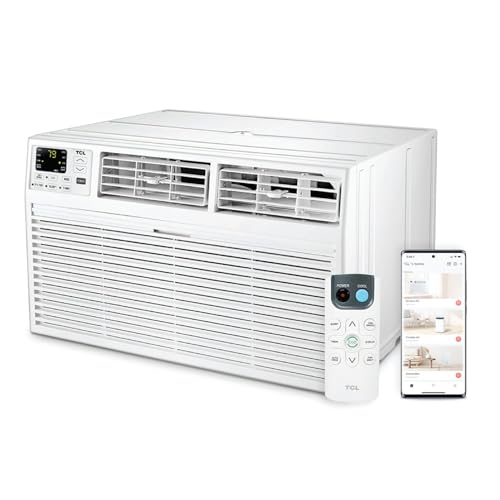
Wall Mounted Air Conditioner With Heat Pump: Complete Guide
Discover how a wall mounted heat pump delivers both cooling and heating from a single indoor unit — and learn how to choose the right system for year-round comfort in your home.
START LEARNINGAC Units Guide Philosophy: A wall mounted air conditioner with heat pump is one of the most versatile climate control solutions available. It cools in summer, heats in winter, and mounts discreetly on your wall — without the bulk of a traditional furnace or the limitations of a cooling-only unit. This guide explains how the technology works, what to look for, and how to get the most from your system.
What Is a Wall Mounted Air Conditioner With Heat Pump?
A wall mounted air conditioner with heat pump is a ductless split system that provides both cooling and heating from a single indoor wall unit. Unlike a cooling-only wall AC, this type incorporates a reversing valve that allows the refrigerant cycle to operate in two directions — absorbing heat from indoor air to cool the room, or absorbing heat from outdoor air to warm the room.
These systems are part of the broader category of wall mounted mini split systems, which pair a slim indoor air handler with a compact outdoor condenser. The heat pump capability makes them a true year-round solution, eliminating the need for a separate furnace or space heater in mild to moderate climates.
Homeowners often search for a wall mount heat air conditioner when they want to replace an old cooling-only unit or add heating to a room that lacks ductwork. The result is a single, elegant wall-mounted unit that handles both seasons with remarkable efficiency.
How Wall Mounted Heat Pumps Work
Understanding the mechanics helps you appreciate why these systems are so efficient. Here is the basic operating principle of a wall mount heat and air conditioning unit:
- Cooling mode: The indoor unit absorbs heat from room air and transfers it outdoors via refrigerant lines, releasing cooled air back into the room.
- Heating mode: The reversing valve flips the refrigerant flow. The outdoor unit absorbs heat from outside air (even cold air contains heat energy) and transfers it indoors, where the wall unit releases it as warm air.
- Inverter technology: Premium models use inverter compressors that modulate speed continuously rather than cycling on and off. This maintains more stable temperatures, reduces noise, and improves efficiency.
- Defrost cycle: In heating mode, the outdoor coil can frost over. Modern systems include automatic defrost cycles that temporarily reverse operation to melt frost and maintain performance.
- Filtration and air handling: Indoor units include washable filters and sometimes additional purification stages to improve indoor air quality while conditioning the air.
Because the system moves heat rather than generating it from fuel or electric resistance, a heat pump can deliver several units of heat energy for every unit of electricity consumed — making it far more efficient than baseboard heaters or space heaters in many applications.
Key Benefits of a Wall Mounted AC With Heat Pump
Year-Round Comfort From One Unit
Cooling in summer and heating in winter from the same wall-mounted unit. No need for separate systems, saving wall space and simplifying operation with a single remote or thermostat.
High Energy Efficiency
Heat pumps move heat rather than generate it, making them significantly more efficient than electric resistance heating. Premium inverter models achieve some of the highest efficiency ratings in the HVAC market.
Ductless Installation
No ductwork required means no energy losses through leaky ducts and no invasive construction. Ideal for older homes, additions, and rooms that were never ducted.
Zone-Specific Control
Each wall unit operates independently, allowing different rooms to be heated or cooled to different temperatures. This zoned approach avoids conditioning empty rooms.
Quiet Operation
The compressor is located outdoors, so the indoor unit operates quietly. Premium models are among the quietest HVAC options available, often rated below 30 dB in low-speed mode.
Improved Indoor Air Quality
Multi-stage filtration captures dust, allergens, and particles. Many models include additional purification features like ionizers or UV treatment for cleaner air.
For rooms that need both heating and cooling without the complexity of a full HVAC overhaul, a wall air conditioner and heater combination is often the most practical and efficient solution.
Limitations to Consider Before Choosing
While a wall mounted air conditioner and heating unit offers compelling advantages, it is important to understand its constraints:
- Heating performance in extreme cold: Heat pump capacity and efficiency decline as outdoor temperatures drop. In regions with prolonged sub-freezing weather, a cold-climate rated model or supplemental heating may be necessary.
- Outdoor unit required: Despite the indoor wall-mounted design, these systems still require an outdoor condenser connected via refrigerant lines. If no exterior space is available, consider a wall mounted air conditioner without outdoor unit instead.
- Installation complexity: Running refrigerant lines and electrical connections requires professional installation. This is not a DIY-friendly project for most homeowners.
- Higher upfront investment: A heat pump system typically represents a higher initial investment than a cooling-only wall AC, though the long-term energy savings and dual functionality often offset this over time.
- Single-room focus: Each wall unit conditions one room or zone. Whole-home comfort requires multiple indoor units — a multi-zone system — which increases installation complexity and investment.
- Maintenance requirements: Both indoor and outdoor units require regular maintenance — filter cleaning, coil inspection, and periodic professional service — to maintain efficiency and reliability.
Types and Market Tiers
Wall mounted heat pump systems fall into several categories based on capability and performance. Use the tier descriptors below to understand relative positioning in the market:
| Tier | Category | Best For | Typical Characteristics |
|---|---|---|---|
| Entry-Level | Standard wall-mounted heat pump | Single rooms, mild climates, budget-conscious buyers | Fixed-speed compressor, basic heating and cooling, standard efficiency ratings, simple controls |
| Mid-Range | Inverter wall-mounted heat pump | Year-round comfort in most climates, bedrooms, living rooms | Inverter compressor, improved SEER/HSPF ratings, quieter operation, programmable remote, better temperature stability |
| Premium | High-efficiency cold-climate heat pump | Cold climates, energy-conscious households, primary living spaces | Enhanced cold-weather performance, very high efficiency ratings, advanced filtration, Wi-Fi control, ultra-quiet operation |
| Flagship | Smart multi-zone heat pump system | Whole-home comfort with zone control, modern smart homes | Variable-speed compressor, multi-zone capability, premium materials, advanced air quality features, smart home integration |
When evaluating a wall mounted ductless air conditioner heater combo, consider not just the tier but also the climate where you live. Cold-climate models cost more upfront but deliver reliable heating when temperatures drop well below freezing. In milder climates, a mid-range inverter model often represents the best balance of performance and investment.
Wall Mounted Heat Pump vs. Other Systems
How does a wall mounted air conditioner with heat pump compare to alternatives? The table below highlights key differences:
| Feature | Wall Mounted Heat Pump | Cooling-Only Wall AC | Central Heat Pump System |
|---|---|---|---|
| Heating capability | Yes — year-round | No — cooling only | Yes — whole home |
| Ductwork required | No | No | Yes |
| Zone control | Per-room (single zone per unit) | Per-room | Limited without zoning dampers |
| Installation complexity | Moderate — requires refrigerant lines | Moderate — similar | High — ductwork and equipment |
| Efficiency (heating) | High (heat pump) | N/A | High (heat pump) |
| Best for | Room-by-room comfort, retrofits | Cooling-only climates or rooms | Whole-home comfort with existing ducts |
If you already have ductwork and want whole-home comfort, a split system air conditioner and heat pump may be more appropriate. But for targeted room comfort, renovations, or homes without ducts, a wall-mounted heat pump is often the superior choice.
Homeowners who want heating and cooling but cannot install an outdoor unit should explore a wall mounted air conditioner and heat pump without outdoor unit — a self-contained alternative that keeps all components indoors.
Installation Considerations
Proper installation is critical for performance, efficiency, and longevity. Here is what to evaluate before installing a wall mounted air conditioner with installation:
- Indoor unit placement: Mount high on the wall, ideally 6–7 feet above the floor, with clear airflow in front and above. Avoid direct sunlight and heat sources.
- Outdoor unit placement: Needs clear space for air intake and exhaust, a stable base, and protection from snow accumulation. Keep away from bedrooms if noise is a concern.
- Refrigerant line routing: Lines should be as short and direct as possible to maintain efficiency. Line set length limits vary by model — check the specifications.
- Electrical requirements: Most systems require a dedicated circuit. Confirm voltage and amperage requirements and consult a licensed electrician.
- Condensate drainage: The indoor unit produces condensate during cooling. Plan a gravity drain or install a condensate pump if gravity flow is not possible.
- Permits and regulations: Many jurisdictions require permits for HVAC installation. Check local codes and homeowner association rules before proceeding.
- Professional installation: Refrigerant handling requires EPA certification. Proper vacuuming, charging, and leak testing are essential — this is not a DIY project for most homeowners.
For a comprehensive overview of the installation process, see our guide on wall mounted air conditioning unit with installation. If you are comparing options, a wall mounted air conditioner and heater combo follows similar installation steps but adds the refrigerant reversing valve and associated controls.
Sizing and Room Selection
Correct sizing is essential for comfort, efficiency, and equipment longevity. An oversized unit cools too quickly, cycles frequently, and dehumidifies poorly. An undersized unit runs continuously without achieving the desired temperature.
- Measure square footage: Multiply room length by width. For irregular rooms, break the space into rectangles and sum the areas.
- Account for ceiling height: Standard sizing assumes 8-foot ceilings. For higher ceilings, increase capacity proportionally.
- Assess insulation and windows: Poor insulation, single-pane windows, and west-facing walls increase heat load and require more capacity.
- Consider occupancy and appliances: Rooms with many occupants or heat-generating appliances (kitchen, home office with electronics) need additional capacity.
- Use BTU guidance: A common starting point is 20 BTU per square foot, then adjust for the factors above. For a more precise calculation, consult our guide on how to size an air conditioner.
- Room-specific considerations: A wall mounted air conditioner for small room typically needs 6,000–9,000 BTU, while larger living spaces may require 12,000–18,000 BTU or more.
For apartments, a wall mounted air conditioner for apartment sized at 9,000–12,000 BTU often covers a studio or one-bedroom unit comfortably. For multi-room comfort, consider a two head mini split system that connects two indoor units to a single outdoor condenser.
Maintenance Tips for Long-Term Performance
Regular maintenance keeps your system efficient, extends its lifespan, and prevents costly repairs. Follow these practices for a wall mounted air conditioner with heat pump:
- Clean or replace indoor filters every 4–6 weeks during peak use. Clogged filters reduce airflow, strain the compressor, and worsen air quality.
- Keep the outdoor unit clear: Remove leaves, debris, and snow from around the condenser. Ensure at least 2 feet of clearance on all sides.
- Inspect and clean coils annually: Dirty coils reduce heat transfer efficiency. A wall mounted air conditioner cleaning service can perform a thorough deep clean.
- Check condensate drainage: Ensure the drain line is clear and flowing freely. Standing water can cause mold and water damage.
- Schedule professional service annually: A technician should check refrigerant charge, electrical connections, and overall system performance.
- Monitor for performance issues: If you notice wall unit air conditioner not blowing cold air or reduced heating output, investigate promptly. For general troubleshooting, see our troubleshooting air conditioning guide.
Proper maintenance also includes keeping the indoor unit's exterior clean and ensuring that the area around the air intake and output is unobstructed. For split systems in general, our split system air conditioning maintenance guide provides additional detail.
Frequently Asked Questions
What is a wall mounted air conditioner with heat pump?
It is a ductless system that combines cooling and heating in a single wall-mounted indoor unit. The heat pump function reverses the refrigerant cycle to provide warmth in cooler months, making it a year-round climate control solution.
How does a wall mounted heat pump differ from a standard AC?
A standard wall AC only cools. A heat pump model adds a reversing valve that allows the system to absorb heat from outdoor air and release it indoors, providing heating as well as cooling from the same unit.
Can a wall mounted heat pump work in cold climates?
Many modern heat pump models are rated for operation down to freezing or below. Cold-climate rated units perform better in low temperatures. Check the manufacturer's operating range for your specific model.
Is a wall mounted air conditioner with heat pump energy efficient?
Heat pumps are generally more efficient than electric resistance heating because they move heat rather than generate it. Look for high SEER and HSPF ratings, and inverter technology for the best efficiency within the category.
What size wall mounted heat pump do I need?
Sizing depends on room square footage, insulation, windows, and climate. As a general guide, 20 BTU per square foot is a starting point. For a bedroom or small living room, 9,000–12,000 BTU is common; larger spaces may need 18,000 BTU or more.
How long does a wall mounted heat pump last?
With proper installation and regular maintenance, a quality wall mounted heat pump can last 15–20 years. Regular filter cleaning, annual professional service, and keeping the outdoor unit clear of debris are key to longevity.
Can I install a wall mounted heat pump myself?
Installation involves refrigerant handling, electrical connections, and vacuuming the line set — tasks that require EPA certification and specialized tools. Professional installation is strongly recommended and often required for warranty compliance.
Ready to Choose Your Wall Mounted AC With Heat Pump?
You now understand how heat pump wall units work, their benefits and limitations, and what to consider during sizing, installation, and maintenance. Explore our recommended models below to find the right system for your home.
VIEW RECOMMENDED MODELS