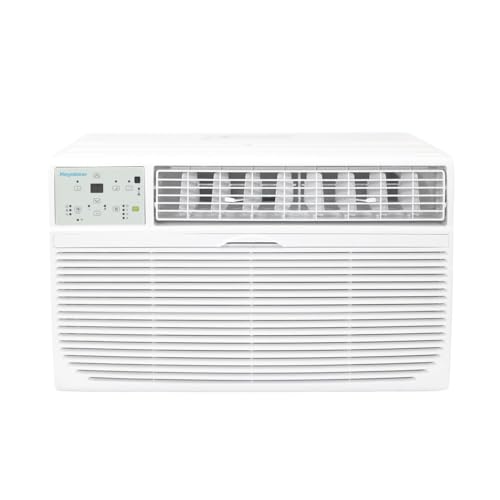
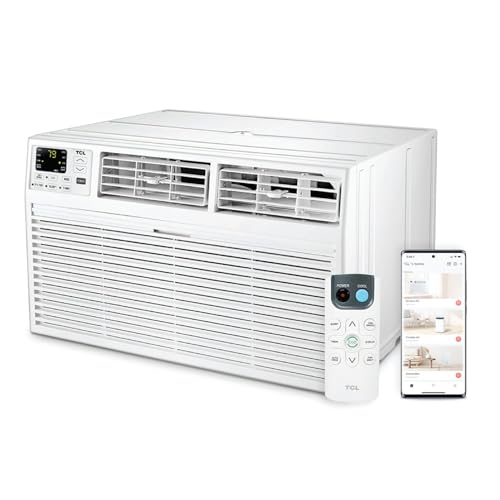
What Is a Through the Wall Air Conditioner?
A complete, plain-language guide to wall-sleeve air conditioners: how they work, why buildings use them, how to size one, and whether a through-the-wall unit fits your space better than a window or ductless system.
Quick answer: A through the wall air conditioner is a self-contained cooling unit installed permanently inside a sleeve set into an exterior wall. Unlike a window AC that hangs in a window opening, the wall-mounted design frees up the window, improves security, and delivers a cleaner look — while still providing the simple room-by-room cooling that makes these units popular in apartments, hotels, and older homes.
How a Through the Wall Air Conditioner Works
A through-the-wall unit — often called a PTAC (packaged terminal air conditioner) in hotel and commercial settings — combines all the core refrigeration components in a single chassis: compressor, condenser coil, evaporator coil, fan, and controls. The chassis slides into a metal sleeve built into the wall, so the indoor face blows cold air into the room while the outdoor face discharges heat and condensation outside.
The system uses the same vapor-compression cycle found in any air conditioning system: refrigerant absorbs heat from indoor air at the evaporator coil, the compressor raises its pressure and temperature, and the condenser coil releases that heat outdoors. Because everything sits in one cabinet, no refrigerant lines run through the walls, no outdoor condenser pad is required, and installation does not need a licensed refrigerant technician in most jurisdictions.
Most wall-sleeve units are designed to a standard sleeve dimension, which means a failed chassis can be slid out and replaced with a compatible model without cutting new wall openings — a major advantage for buildings that want a predictable, repeatable cooling solution.
Main Types of Wall-Mounted Air Conditioners
The term "through the wall air conditioner" covers several product families. Knowing which one you are shopping for helps you compare features fairly.
1. Standard Through-the-Wall AC (Room Unit)
The residential version of the wall-sleeve concept, typically sized from roughly 8,000 to 14,000 BTU. It cools one room, plugs into a dedicated 115V or 230V circuit, and offers cooling-only or cooling-plus-heat configurations. Many models include a remote control, programmable timer, and sleep mode. This is the category most homeowners mean when they search for a through-the-wall unit.
2. PTAC Units (Packaged Terminal Air Conditioners)
Commercial-grade wall-sleeve units built for hotels, motels, dormitories, and assisted-living facilities. They are heavier-duty, usually hardwired at 208/230V, and designed for near-continuous operation with simplified controls and easy chassis swap-outs. A related variant, the PTHP (packaged terminal heat pump), adds reverse-cycle heating for year-round comfort in a single package.
3. Through-the-Wall Heat Pump Units
These look identical to standard wall units but run a reversing valve so the same hardware can heat in cool weather and cool in warm weather. They are an efficient choice for climates with mild winters, though heating output drops as outdoor temperatures fall. If you want to understand how these compare with ducted whole-house systems, see our overview of whole-house air conditioning systems.
4. Ducted and Ductless Wall Systems (Not the Same Thing)
Shoppers sometimes confuse wall-sleeve units with wall-mounted mini-splits. A air handler unit paired with an outdoor condenser, or a ductless wall cassette, is a split system — it is not a through-the-wall packaged unit. If you are weighing options, our guide to central air conditioners explains how whole-home systems differ from single-room wall units.
Through the Wall vs Window vs Mini-Split AC
This comparison table summarizes the practical differences. Values are described qualitatively by product tier rather than by any specific figures.
| Feature | Through the Wall AC | Window AC | Ductless Mini-Split |
|---|---|---|---|
| Installation complexity | Requires cutting a wall opening and installing a sleeve — best handled by a professional | Drops into an existing window; DIY-friendly for many sizes | Professional installation with refrigerant line work |
| Window space | Keeps the window fully usable | Blocks part or all of the window | Keeps the window fully usable |
| Security | High — unit is fixed in the wall | Lower — a window-mounted unit can be a break-in point | High — indoor cassette is wall-mounted |
| Noise | Moderate; compressor sits in the same cabinet | Moderate to noticeable | Quietest — compressor is outdoors |
| Efficiency (typical tier) | Entry-level to mid-range; premium models exist | Entry-level to mid-range | Mid-range to top-tier |
| Best for | Apartments, hotels, older homes, rooms without usable windows | Renters, temporary setups, single rooms | Whole-home or multi-zone comfort with the highest efficiency |
| Portability | Fixed installation | Removable each season | Fixed installation |
For a deeper look at seasonal efficiency numbers, read what a SEER rating is and what SEER rating you should buy. If you are still deciding between compressor technologies, our explainer on non-inverter versus inverter AC is a useful next step.
Advantages of a Through the Wall Air Conditioner
- Frees up the window: You keep natural light, ventilation, and views — a meaningful benefit in small apartments.
- Better security: A fixed wall unit removes the window-mounted break-in risk that comes with window ACs.
- Cleaner appearance: Flush-mounted indoor faces look more built-in than a window unit hanging over a sill.
- No outdoor pad or line set: Everything is in one chassis, so there is no separate condenser to site, level, or protect.
- Easy chassis replacement: Standard sleeve sizes let you swap a failed unit without new construction work.
- Heating options: Many models add electric heat strips or a reverse-cycle heat pump for shoulder-season warmth.
- Good fit for older buildings: Homes without ductwork and apartments with rules against window units often allow wall-sleeve installations.
Disadvantages and Limitations
- Permanent wall modification: Installation requires cutting an exterior wall and framing a sleeve — not renter-friendly.
- Professional installation: Structural work, flashing, and electrical circuits usually mean hiring a contractor.
- Noise in the room: Because the compressor is inside the cabinet, wall units are louder than split systems.
- Single-room cooling: These are room units, not whole-home solutions. For full-house comfort, compare with whole-house systems.
- Sleeve compatibility: Replacement chassis must match the existing sleeve dimensions and electrical supply.
- Efficiency ceiling: Even premium wall units generally trail top-tier mini-splits on seasonal efficiency.
How to Size a Through the Wall AC
Sizing follows the same logic as any room air conditioner: match cooling capacity (BTU) to the room's heat load. Undersizing leaves the room warm on hot days; oversizing causes short cycling, uneven humidity control, and extra wear. As a starting framework:
- Measure the room's length and width to get square footage.
- Add capacity for sun exposure, poor insulation, west-facing windows, and occupancy.
- Subtract capacity for deep shade and heavy insulation.
- Confirm the electrical circuit: many larger wall units need a dedicated 230V line.
For a more precise method, see our guide on how to size an air conditioner. Humidity also affects perceived comfort — if your room feels clammy even when cool, review the ideal humidity for your home and the good humidity level for a house.
Installation Basics: What to Expect
A proper wall-sleeve installation has four phases:
- Site selection: Choose an exterior wall with clearance for airflow, a structural path for the sleeve, and access for electrical work.
- Wall opening and sleeve: The contractor cuts the opening, frames it, and installs a metal sleeve with correct flashing and a slight outward slope for drainage.
- Electrical: A dedicated circuit is run to the sleeve location, sized for the unit's amperage and voltage.
- Chassis install and sealing: The unit slides into the sleeve, is secured, and the perimeter is sealed and insulated to prevent air and water leaks.
If you are weighing whether to hire a professional, read when to call an HVAC technician. For window-based alternatives that need less structural work, see our guides on window AC brackets without drilling and window AC installation kits.
Maintenance Tips for Wall-Sleeve Units
Wall units are simple machines, and a modest maintenance routine keeps them efficient and long-lived:
- Clean or replace the filter monthly during cooling season. A clogged filter reduces airflow and strains the compressor. See when to replace an AC filter.
- Inspect the outdoor grille for leaves, pollen, and debris that block condenser airflow.
- Check the sleeve seal each season for gaps that let hot air or water in.
- Clean the drain path so condensate exits properly and does not pool in the sleeve.
- Schedule a professional check every few years to verify refrigerant charge and electrical connections.
If the unit stops cooling but the fan still runs, the troubleshooting logic in our general AC guide applies: check the filter, thermostat settings, and outdoor airflow first. For central systems with similar symptoms, see why my central air is not cooling.
Who Should Choose a Through the Wall Air Conditioner?
A wall-sleeve unit is a strong fit if any of the following describe you:
- You own an apartment or condo where window units are prohibited or unsafe.
- You want to keep windows clear for light, views, or egress.
- You are cooling a single room in a home without ductwork.
- You manage a rental property, motel, or small commercial space that needs repeatable, serviceable cooling.
- You want a fixed installation that is harder to tamper with than a window unit.
It is a weaker fit if you rent, need the quietest possible operation, want multi-room zoning, or prioritize the highest seasonal efficiency. In those cases, compare with a good portable air conditioner for flexibility or a ductless mini-split for quiet, efficient performance.
Frequently Asked Questions
Is a through the wall air conditioner the same as a PTAC?
Not exactly. PTAC is the commercial term for packaged terminal air conditioners used in hotels and similar buildings. Residential through-the-wall units use the same sleeve concept but are built for lighter-duty room cooling. Both are packaged systems with all components in one cabinet.
Can I install a through the wall AC myself?
If a sleeve already exists and the electrical circuit is correct, sliding in a replacement chassis is a straightforward task. Cutting a new wall opening, framing, flashing, and running a dedicated circuit are jobs for a qualified contractor because of structural and electrical safety requirements.
Do through the wall units heat as well as cool?
Many models include electric heat strips, and heat-pump versions provide reverse-cycle heating. Electric heat is reliable but uses more energy; heat pumps are more efficient in mild climates but lose capacity in very cold weather. Check the model's heating specification before you buy.
What voltage does a wall-sleeve AC need?
Smaller units often run on 115V, while larger capacities typically require 230V. Always match the unit to a dedicated circuit sized for its amperage. A licensed electrician should confirm the circuit before installation.
How long does a through the wall air conditioner last?
With regular filter cleaning and occasional professional service, a quality wall unit can serve for many years. Commercial-grade PTACs are designed for longer duty cycles than residential room units, which is why hotels favor them for chassis swap-outs.
Does a through the wall AC make the room more humid or drier?
Air conditioners remove moisture as they cool, so a properly sized unit lowers indoor humidity. If a room still feels sticky, the unit may be oversized or the home may have a broader humidity issue — see our guidance on what to do about high humidity in a house.
Ready to Compare Through the Wall Air Conditioners?
Browse our curated selection of wall-sleeve and PTAC units, filtered by capacity, voltage, and heating options.
Explore Options