What Is the Ideal Humidity for Your Home?
Discover the healthy humidity range for your home, how moisture levels affect comfort and health, and how to keep indoor air balanced all year.
START READINGQuick answer: Most indoor air quality experts recommend keeping your home between 30% and 50% relative humidity, with 40% to 50% being the most comfortable and healthy range for most households. This balance supports comfort, protects your home, and helps your air conditioning system run efficiently.
Why Indoor Humidity Matters
Humidity is the amount of water vapor present in the air. While you cannot see it, indoor humidity has a direct impact on how comfortable your home feels, how well your body regulates temperature, and how long your furnishings and building materials last. When humidity is too high or too low, the effects go far beyond a minor inconvenience.
In a typical American home, humidity fluctuates with the seasons, the local climate, and daily activities like cooking, showering, and doing laundry. Understanding the ideal range — and knowing how to maintain it — is one of the most overlooked aspects of home comfort. It also ties directly into how your air conditioning system performs during the cooling season.
The Ideal Humidity Range Explained
Relative humidity (RH) is expressed as a percentage of the maximum amount of water vapor the air can hold at a given temperature. A reading of 45% means the air currently holds 45% of the moisture it could hold at that temperature. This is why humidity feels different on a hot day versus a cool day, even at the same percentage.
For most homes, the sweet spot sits between 30% and 50% RH. Within that band, the 40% to 50% range is generally considered the most comfortable for occupants. This is also the range recommended by many building science and indoor air quality professionals because it minimizes the risk of mold growth while preventing the discomfort of overly dry air.
| Humidity Level | Category | What It Means for Your Home |
|---|---|---|
| Below 30% | Too low | Dry skin, static, wood cracks, respiratory irritation |
| 30% – 40% | Acceptable (winter-friendly) | Good for cold months; reduces window condensation |
| 40% – 50% | Ideal | Best balance of comfort, health, and home protection |
| 50% – 55% | Borderline high | May feel sticky; watch for condensation on windows |
| Above 55% | Too high | Mold, dust mites, musty odors, cooling inefficiency |
How Humidity Affects Comfort and Health
Humidity influences how your body perceives temperature. High humidity slows the evaporation of sweat, making a room feel warmer than the thermostat suggests. Low humidity, on the other hand, dries out mucous membranes and skin, which can make you feel colder and more uncomfortable. Both extremes put stress on your body and your home.
From a health perspective, indoor humidity that stays within the recommended band helps reduce the survival of airborne viruses and limits the proliferation of dust mites and mold spores. If you are researching broader indoor air quality topics, our guide on healthy humidity levels for your home offers additional context on how to interpret readings from a hygrometer.
In summer, high humidity is the more common problem. It makes rooms feel muggy, encourages mold growth in bathrooms and basements, and forces your air conditioner to work harder to remove moisture. In winter, the opposite is often true: heated indoor air becomes dry, leading to static shocks, cracked wood, and irritated sinuses. Understanding indoor humidity in winter helps you adjust your approach seasonally.
How Your Air Conditioner Affects Humidity
Air conditioners do more than cool the air — they also dehumidify it. As warm air passes over the evaporator coil, moisture condenses on the coil and drains away. This is why a properly sized AC unit can keep indoor humidity in check during the cooling season. However, the amount of dehumidification depends on how long the system runs and how well it is sized for your space.
If your AC is oversized, it may cool the room quickly and shut off before it has time to remove enough moisture. The result is a cool but clammy room. If your system is undersized or has airflow problems, it may run constantly without bringing humidity down. This is one reason why inverter versus non-inverter AC technology matters — inverter units can modulate their output and run longer at lower capacity, which often improves moisture removal.
For a deeper look at how the cooling process works, see our explanation of what air conditioning is and how it interacts with indoor moisture. If you are dealing with persistent humidity issues despite running your AC, a dedicated whole-house dehumidifier may be the right addition to your system.
Key insight: An air conditioner that is correctly sized for your home will generally keep humidity within the 40%–50% range during summer. If humidity stays above 55% even with the AC running, the issue is usually sizing, airflow, or an undersized system rather than the AC technology itself.
Signs Your Home Humidity Is Out of Balance
You do not always need a hygrometer to notice humidity problems. Your home and body often provide clear signals. Watch for these common indicators:
Signs of high humidity
- Condensation on windows, mirrors, or cold surfaces
- Musty or damp odors, especially in basements and bathrooms
- Visible mold or mildew on walls, ceilings, or grout
- Rooms that feel sticky even when the AC is running
- Peeling paint or warped wood surfaces
Signs of low humidity
- Dry, itchy skin and chapped lips
- Frequent static electricity shocks
- Cracks in wood furniture, flooring, or trim
- Irritated eyes, nose, or throat
- Houseplants with browning leaf tips
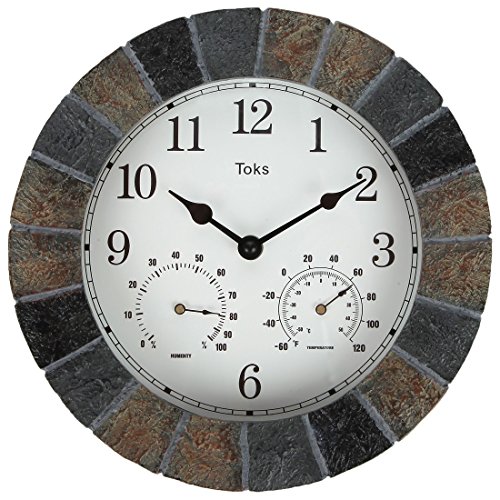
If you notice these signs, the next step is to measure. A simple hygrometer is an inexpensive tool that gives you an accurate reading. For guidance on interpreting those numbers, see what the ideal humidity inside a house looks like and how it compares to normal humidity for a room.
How to Maintain Ideal Humidity in Your Home
Keeping humidity in the healthy range is a combination of good habits, proper ventilation, and the right equipment. Here are practical steps that work in most homes:
1. Use ventilation strategically. Run exhaust fans in bathrooms and kitchens to remove moisture at the source. A whole-house ventilation system can help maintain balanced airflow throughout the home.
2. Keep your AC well maintained. A clean filter and clear condensate drain allow your system to remove moisture efficiently. Replace the filter on schedule — see our guide on when to replace your AC filter for a simple maintenance rhythm.
3. Address basement and crawlspace moisture. These areas are common humidity hotspots. If you are wondering what your basement humidity should be, the same 30%–50% range applies, though slightly lower targets are often used in cold climates.
4. Use a dehumidifier when needed. In humid climates or during wet seasons, a whole-house dehumidifier can bring moisture levels down without overcooling your home.
5. Add humidity in dry months. If winter air is too dry, a whole-house humidifier can restore comfortable moisture levels and protect wood furnishings.
6. Monitor and adjust. A hygrometer in a central location helps you track changes. If readings drift outside the 30%–50% band, adjust ventilation, equipment, or habits accordingly.
If humidity problems persist despite these steps, it may be time to consult a professional. Our guide on when to call an HVAC technician explains the signs that a deeper system issue may be involved.
Seasonal Humidity Targets
While the general range of 30%–50% applies year-round, the ideal target shifts slightly with the seasons. In summer, aim for the upper end of the range — around 40% to 50% — to keep rooms comfortable without encouraging mold. In winter, aim for the lower end — around 30% to 40% — to reduce condensation on cold windows and prevent moisture from collecting in wall cavities.
If you are specifically wondering what the humidity should be in a room during different seasons, the same logic applies room by room. Bedrooms, living areas, and basements may each need slightly different attention depending on how they are used and ventilated. For a broader set of reference points, see our overview of good humidity levels for a home.
Frequently Asked Questions
What is the ideal humidity level for a home?
Most indoor air quality experts recommend keeping your home between 30% and 50% relative humidity, with 40% to 50% being the most comfortable and healthy range for most households.
Can an air conditioner control indoor humidity?
Yes. A properly sized air conditioner removes moisture from the air as it cools, but the amount of dehumidification depends on the unit size, run time, and climate. If humidity stays high, a dedicated dehumidifier may be needed.
Should indoor humidity be different in winter and summer?
Yes. In summer, aim for roughly 40% to 50%. In winter, lower humidity around 30% to 40% helps prevent condensation on cold windows and surfaces while still maintaining comfort.
What happens if home humidity is too high?
High humidity can cause mold growth, musty odors, condensation, and dust mites. It also makes rooms feel warmer and harder to cool, so your air conditioner has to work harder to maintain comfort.
What happens if indoor humidity is too low?
Low humidity can cause dry skin, irritated eyes and throat, static electricity, and cracks in wood furniture. A whole-house humidifier can help restore comfortable moisture levels.
How do I measure humidity in my home?
A digital hygrometer is the simplest and most accurate option. Place it in a central living area away from direct sunlight and vents for the most representative reading. Many smart thermostats also display indoor humidity.
Ready to Optimize Your Home Comfort?
Understanding the ideal humidity range is the first step. The next is choosing the right cooling and moisture-control equipment for your space.
Explore Recommended OptionsFor related reading, explore our guides on good humidity levels for a house, what humidity is supposed to be in your house, and what to do about high humidity in your house. If you are dealing with dry air instead, see what to use for dry air in a bedroom.