
What a New AC Unit Really Involves
A clear, research-friendly breakdown of the factors that shape a new air conditioning investment — system types, efficiency tiers, installation scope, and long-term ownership considerations — so you can choose with confidence.
Start With System TypesWhy the Investment Varies So Much
Two households can install a new air conditioner in the same month and face very different overall investments. That is not because one was overcharged — it is because a new AC unit is not a single product. It is a system, and the scope of that system changes with the home, the climate, the existing infrastructure, and the efficiency tier selected.
The main variables that shape the overall investment are:
- System type — a window unit, a ductless mini-split, a central split system, and a packaged unit each involve different equipment and labor scope.
- Home size and layout — square footage, ceiling height, number of zones, and window exposure all affect capacity requirements.
- Existing infrastructure — whether ductwork exists, its condition, and whether the electrical panel can support the new equipment.
- Efficiency tier — entry-level, mid-range, and premium systems differ in compressor technology, controls, and seasonal efficiency ratings.
- Installation scope — a straight replacement is far simpler than a first-time installation with new line sets, duct runs, or panel upgrades.
- Local requirements — permits, inspections, and licensed contractor availability vary by region.
System Types and Their Market Tiers
Each system category occupies its own position in the market. The descriptions below use universal tier language so you can compare categories without relying on volatile figures.
Window Air Conditioners — Entry-Level Tier
Window units sit in the entry-level tier of the market. They are self-contained, require minimal installation labor, and are well suited to single rooms. A basic window unit is a starter-tier purchase; a smart inverter U-shaped window model represents the upper end of that same category. If you are exploring this path, see our guide to the most efficient small window air conditioner and the smart window air conditioner options.
Portable Air Conditioners — Essential Tier
Portable units are an essential-tier solution when permanent installation is not possible — rentals, temporary spaces, or rooms without suitable windows. They trade some efficiency for flexibility. Related reading: portable air conditioning unit for office use and portable air conditioning unit with heat pump models.
Ductless Mini-Split Systems — Mid-Range to Premium
Ductless mini-splits occupy the mid-range to premium band. They deliver high efficiency without ductwork, support multiple zones, and are a strong fit for homes without existing ducts or for room-by-room control. Multi-zone systems move into the high-end tier as zone count and inverter sophistication increase. Explore split ductless air conditioning systems and 18,000 BTU mini-split options.
Central Split Systems — Mid-Range to High-End
A central split system is the standard for whole-home cooling where ductwork exists. It spans the mid-range band for standard single-stage equipment and rises into the high-end tier with variable-speed compressors, advanced controls, and top SEER2 ratings. If you are replacing an existing system, our HVAC replacement guide and replace home air conditioner walkthrough are useful companions.
Packaged and Specialty Systems — Professional-Grade
Packaged units, VRV systems, and commercial-grade equipment sit in the professional-grade and commercial-grade tiers. They serve larger loads, multi-zone buildings, or spaces where split-system components cannot be separated. See HVAC VRV system for a deeper look.
Installation Factors That Shape the Scope
Equipment is only part of the picture. Installation labor and supporting work often represent a substantial share of the total investment, especially in first-time installations or older homes.
Ductwork: Condition and Design
If ducts exist but leak or are undersized, sealing or partial replacement is usually recommended during installation. Poorly designed ducts can undermine even a premium system. Read how to seal air ducts and mobile home ductwork replacement for context.
Electrical Infrastructure
Central systems typically require dedicated 240V circuits. If the panel lacks capacity, an upgrade adds scope. Mini-splits are often more flexible but still require proper circuits. Our installation guide covers the electrical checklist in detail.
Line Sets and Refrigerant Lines
For split and mini-split systems, line set length and routing affect both labor and performance. When lines need replacement, see HVAC line set replacement for the considerations involved.
Permits and Inspections
Most jurisdictions require a permit for new AC installation. Our guide on how to get an AC permit explains the process and why it protects you.
Older Homes and Retrofits
Installing AC in an older home often involves surprises — limited closet space, legacy wiring, or no duct chases. See installing air conditioning in an old house and installing an air conditioning unit for planning guidance.
Efficiency and Long-Term Value
Efficiency is the single biggest lever on long-term ownership economics. A higher SEER2 rating means less electricity consumed per unit of cooling delivered, which compounds over a 10–15 year service life.
Understanding SEER2
SEER2 is the current efficiency metric under DOE standards. Higher ratings generally correspond to inverter compressors, variable-speed fans, and smarter controls. Our overview of SEER ratings and SEER vs SEER2 explains the differences clearly.
Inverter Technology
Inverter-driven compressors modulate speed instead of cycling on and off. They typically deliver better comfort and lower energy use, especially in partial-load conditions. See inverter AC and inverter vs non-inverter for a full comparison.
Rebates and Incentives
Federal, state, and utility incentives can meaningfully offset the higher tier of efficient equipment. Our overview of tax credits for new AC and ENERGY STAR certified AC units will help you identify qualifying models.
Maintenance and Service Life
Regular maintenance protects the investment. Annual service, filter changes, and coil cleaning extend equipment life and preserve efficiency. See HVAC maintenance plan, preventative maintenance, and HVAC tune-up for practical routines.
Tier Comparison: Matching Systems to Needs
The table below uses universal tier descriptors — never figures — so you can compare system categories by position in the market and by fit.
| System Type | Market Tier | Best For | Key Consideration |
|---|---|---|---|
| Window AC | Entry-level / starter tier | Single rooms, renters, seasonal use | Minimal installation scope; efficiency varies widely by model |
| Portable AC | Essential tier | Temporary spaces, rooms without suitable windows | Flexibility over peak efficiency; venting setup required |
| Ductless Mini-Split | Mid-range to premium | Homes without ducts, room-by-room zoning | High efficiency; multi-zone systems move into high-end tier |
| Central Split System | Mid-range to high-end tier | Whole-home cooling with existing ductwork | Duct condition and electrical capacity drive scope |
| Packaged / VRV | Professional-grade | Large loads, commercial spaces, multi-zone buildings | Design and commissioning require specialized expertise |
Planning Your Purchase
Once you understand the variables, the decision process becomes structured rather than overwhelming. A practical sequence looks like this:
- Define the load. A proper load calculation (Manual J) determines the correct capacity. Oversized systems short-cycle and underperform. See our guides on how to size an air conditioner and BTU calculator by room size.
- Choose a system type based on whether ducts exist, how many zones you need, and how long you plan to stay.
- Select an efficiency tier. Balance the higher tier of efficient equipment against expected usage and local incentives.
- Get itemized proposals from licensed contractors. Compare equipment, labor, ductwork, electrical, permits, and disposal line by line.
- Plan maintenance from day one. A tune-up and filter schedule protects both comfort and efficiency.
For a broader view of what installation involves, see HVAC install and repair cost, the cost of installing central air conditioning, and HVAC install cost.
Recommended Air Conditioners for a New Installation
⚠️ AFFILIATE DISCLOSURE: This website contains affiliate links. As an Amazon Associate, we earn from qualifying purchases. If you make a purchase through these links, we may receive a small commission at no additional cost to you. Read our full affiliate policy.
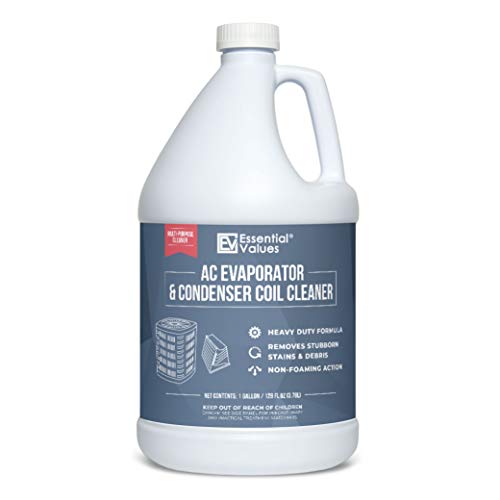
Essential Values Coil Cleaner for AC Unit (Gallon) | AC Coil Cleaner That is Non Foam Formula for Condenser Coils - Heavy Duty Professional Grade & For Commercial & Residential Air Conditioner
Check price on Amazon
Portable Charger Power Bank for iPhone with Built-in Cables and AC Wall Plug, 40800mAh 25W PD USB C Fast Charging Travel Essential Battery Pack for iPhone 17/16/15/13/12,Galaxy,Android etc-Black
Check price on Amazon
MOES WiFi Smart IR Remote Controller Smart Home Infrared Universal Remote Blaster,One for All Control AC TV DVD CD AUD SAT etc,Compatible with Alexa and Google Assistant,No Hub Required
Check price on Amazon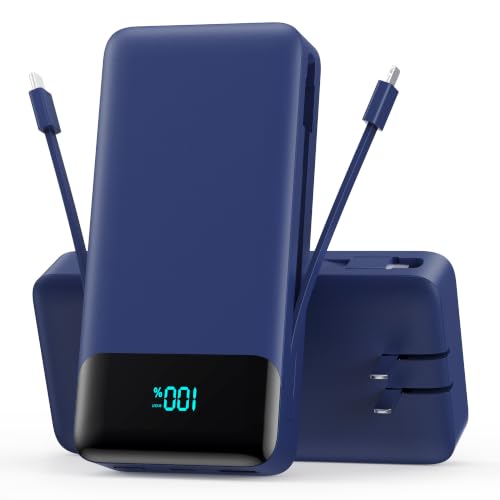
Portable Charger Power Bank for iPhone with Built-in Cables and AC Wall Plug, 26800mAh 25W PD USB C Fast Charging Travel Essential Battery Pack for iPhone 17/16/15/13,Galaxy,Android etc-Dark Blue
Check price on Amazon
AC WORKS 10FT 30Amp 3-Prong Dryer Extension Cord with Anti-Weather Super Heavy Duty Thick Cord
Check price on AmazonFrequently Asked Questions
What factors influence the overall investment in a new AC unit?
The main factors are system type (central, ductless mini-split, window, portable), home size and layout, existing ductwork condition, electrical infrastructure, efficiency tier (SEER2 rating), and local labor requirements such as permits and licensed installation.
Is a higher-efficiency AC unit a worthwhile long-term investment?
Higher-efficiency units typically consume less electricity over their service life, which can offset the higher upfront tier over time. The benefit depends on climate, usage patterns, and how long you plan to stay in the home. Incentives such as tax credits for new AC can further improve the economics.
How long does a new AC installation take?
A straightforward replacement of an existing system often takes one day. New installations, ductwork modifications, or multi-zone ductless systems can take two to four days depending on complexity and inspections.
Should I replace ductwork when installing a new AC unit?
If the existing ducts are leaking, undersized, or poorly insulated, addressing them during installation improves performance and efficiency. A professional load calculation and duct inspection will clarify whether replacement or sealing is appropriate. See how to seal air ducts for maintenance context.
Can I install a new AC unit myself?
Window and portable units are typically suitable for DIY installation. Central split systems and ductless mini-splits involve refrigerant handling, electrical work, and permits — these should be installed by licensed professionals to protect warranty coverage and safety.