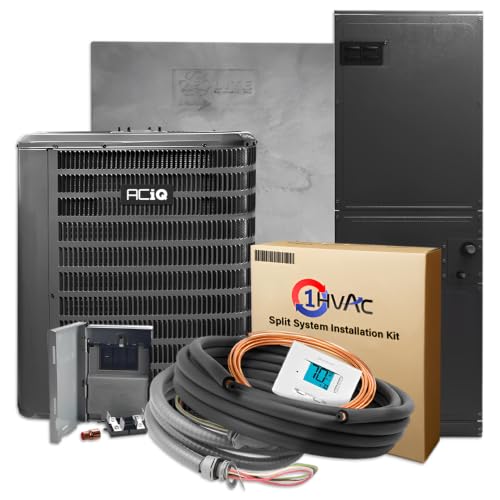
The Cost of Installing Central Air Conditioning
Understand the real factors that shape your central AC installation project — from system tiers and home layout to ductwork, permits, and contractor selection.
EXPLORE COST FACTORSWhat You'll Learn in This Guide
- What Determines the Overall Installation Outlay
- System Tiers and What They Mean for Your Project
- Key Factors That Influence the Final Figure
- New Installation vs. Replacement: How the Scope Differs
- Ductwork: The Hidden Variable in Many Projects
- Labor, Permits, and Other Professional Fees
- Efficiency Ratings and Long-Term Investment
- How to Plan Your Central AC Project Wisely
- Frequently Asked Questions
What Determines the Overall Installation Outlay
When homeowners begin researching central air conditioning, the first question is almost always about the financial commitment involved. The reality is that no single figure applies to every home, because a central AC installation is a composite project made up of several distinct components. Each component contributes to the total, and each can vary significantly based on your home, your climate, and your chosen equipment.
Rather than thinking in terms of one flat number, it is far more useful to understand the building blocks: the outdoor condenser and indoor air handler, the refrigerant line set, the ductwork distribution system, electrical work, permits, and professional labor. When you understand how these pieces fit together, you can have a more productive conversation with contractors and make informed decisions about where to invest and where to simplify.
Key insight: Two homes of identical square footage can have very different installation scopes. A home with existing, well-maintained ductwork requires far less work than a home being fitted with a brand-new distribution system. Always ask contractors to break down their proposal into equipment, materials, labor, and ancillary work so you can compare fairly.
System Tiers and What They Mean for Your Project
Central air conditioning systems are commonly grouped into three broad market tiers. Understanding these tiers helps you calibrate expectations without relying on specific figures, which vary by region and season.
| Tier | Typical Characteristics | Best For |
|---|---|---|
| Entry-level | Single-stage compressor, standard efficiency, basic features, solid construction for the category | Homeowners prioritizing straightforward cooling with a dependable, no-frills system |
| Mid-range | Two-stage or variable-speed compressor, higher efficiency ratings, quieter operation, improved humidity control | Households seeking a balanced tier with better comfort and energy performance |
| Premium | Fully variable-speed inverter technology, top-tier efficiency, smart thermostat integration, advanced filtration options | Homeowners investing in long-term comfort, quiet operation, and the highest efficiency available |
Entry-level systems are well-specified for their class and can be a solid choice when the priority is reliable cooling without extras. Mid-range models typically offer smoother temperature control and better efficiency, making them a popular balanced tier for many households. Premium systems sit at the top of the market and are designed for those who want the quietest operation, the finest comfort control, and the most advanced features available in residential central AC.
The tier you choose affects not only the equipment itself but also the complexity of the installation. Premium variable-speed systems may require additional commissioning and setup, while entry-level single-stage units are more straightforward to install. For a broader look at how equipment and labor combine across different HVAC projects, explore our HVAC cost and installation guide.
Key Factors That Influence the Final Figure
Several variables interact to determine what your specific project will require. Understanding them helps you anticipate the scope and communicate clearly with contractors.
- Home size and cooling load: Larger homes need larger-capacity systems, which involve more substantial equipment and longer installation time. A proper load calculation — often called a Manual J calculation — determines the right capacity rather than relying on square footage alone. Undersized or oversized systems both cause problems; learn more in our guide on what a new AC unit involves.
- Existing ductwork condition: If your home already has ductwork, the project focuses on connecting the new system and verifying duct integrity. If ducts must be added, modified, or sealed, the scope expands considerably. Sealing leaks and improving duct efficiency is a worthwhile investment; see our guide on how to seal air ducts.
- System tier and efficiency level: As described above, equipment tier affects the overall project. Higher-efficiency systems may qualify for utility rebates or tax incentives, which can offset part of the investment. Our top-rated energy-efficient air conditioners overview is a useful starting point.
- Home age and construction: Older homes often present surprises — inadequate electrical panels, tight crawl spaces, or duct routing challenges. Installing central air in an older house requires careful planning; see our dedicated guide on installing air conditioning in an old house.
- Electrical work: Central AC systems require dedicated circuits and proper breaker sizing. If your electrical panel lacks capacity, an upgrade may be necessary. Review amps and breaker size for AC for technical background, and check 110V vs 240V AC unit considerations.
- Geographic region and climate: Cooling load varies by climate zone, and local labor markets influence professional fees. Contractors in high-demand urban areas typically charge more for the same scope than those in lower-demand regions.
New Installation vs. Replacement: How the Scope Differs
A fresh central AC installation in a home that has never had one is a fundamentally different project from replacing an existing system. When replacing, much of the infrastructure — ductwork, electrical runs, refrigerant lines, and the pad or platform for the outdoor unit — is already in place. The project focuses on removing the old equipment and commissioning the new system. Explore replace home air conditioner considerations for a closer look.
A brand-new installation, by contrast, requires designing and installing the entire distribution system from scratch. This includes ductwork layout, register placement, return air pathways, refrigerant line routing, condensate drainage, and electrical service. The added complexity is why new installations generally require a larger commitment than straightforward replacements.
If you are weighing replacement against repair, our HVAC replacement resource can help you think through the decision. For specific component-level work, such as swapping only the outdoor unit, see outdoor AC unit replacement.
Ductwork: The Hidden Variable in Many Projects
Ductwork is often the single largest variable in a central AC project. In homes with existing ducts, the contractor will inspect for leaks, improper sizing, disconnected sections, and insulation deficiencies. Sealing and balancing existing ducts is far less involved than installing a new system.
In homes without ductwork — including many older homes, mobile homes, and homes heated by boilers or baseboard systems — the duct installation becomes a major component of the project. Routing ducts through finished walls and ceilings requires careful planning to minimize disruption. For mobile home applications, see mobile home ductwork replacement.
Ductless alternatives are worth considering when duct installation is impractical or too disruptive. A ductless mini-split system, for example, delivers cooled air directly to rooms without a distribution network. Learn about split ductless air conditioning systems and compare ductless vs ducted AC approaches.
Labor, Permits, and Other Professional Fees
Professional labor is a substantial part of any central AC installation. The work involves more than connecting equipment: it includes load calculations, system design, refrigerant line work, brazing and evacuation, electrical connections, duct fabrication and sealing, system charging, airflow balancing, and commissioning. Each step requires trained technicians and the right tools.
Permits are another consideration. Most jurisdictions require a permit for central AC installation, and the permit process involves inspections to verify code compliance. Skipping permits can create problems during home sales and may void warranties. Our guide on how to get an AC permit explains the typical process. For the broader installation workflow, see installation guide.
Choosing the right contractor matters as much as choosing the right equipment. A thorough proposal should itemize equipment, materials, labor, permits, and any ancillary work. Compare at least three quotes and ask about warranties, licensing, and insurance. Our resource on local HVAC vs big box store helps you weigh different purchasing channels.
Efficiency Ratings and Long-Term Investment
Central AC efficiency is expressed through SEER and SEER2 ratings. Higher-efficiency systems use less electricity to deliver the same cooling, which translates into lower operating costs over the system's lifespan. The difference between a standard-efficiency and a high-efficiency system can be meaningful over ten to fifteen years of use.
It is important to understand that efficiency gains come at different points in the market. Entry-level systems meet baseline efficiency standards. Mid-range models step up to higher SEER2 ratings, and premium systems reach the top of the efficiency spectrum. For a deep dive into ratings, see what is SEER rating and SEER vs SEER2 DOE standards.
Utility rebates and federal tax incentives can offset part of the investment in higher-efficiency equipment. These programs change over time, so verify current eligibility with your utility provider and a qualified tax professional. Our overview of the tax credit for new AC provides useful background.
Beyond efficiency, regular maintenance protects your investment. Annual tune-ups keep the system operating at peak performance and help catch small issues before they become major repairs. Explore HVAC tune-up and HVAC maintenance plan options. Cleaning the condenser coils and air filter are simple tasks that make a real difference; see clean AC condenser coils and how to clean AC filter.
How to Plan Your Central AC Project Wisely
Careful planning is the best way to avoid surprises and ensure a smooth installation. Follow these steps to approach your project with confidence:
- Get a proper load calculation. Insist that contractors perform a room-by-room Manual J calculation rather than estimating from square footage. This determines the correct system capacity and prevents the inefficiency and comfort problems caused by improperly sized equipment. See Manual J load calculation and how to size an air conditioner.
- Evaluate your ductwork honestly. If ducts exist, have them inspected and pressure-tested. If they do not exist, get quotes for duct installation as a separate line item so you can see how it affects the overall scope.
- Compare like-for-like proposals. Ask each contractor to specify the equipment model, efficiency rating, included labor, permit handling, warranty terms, and any exclusions. This makes comparison straightforward and fair. See how to choose HVAC contractor.
- Consider the electrical panel. A central AC system may require a dedicated circuit and an available breaker slot. An electrician may be needed; see do I need an electrician for AC.
- Think about zoning. In multi-story or large homes, zoning allows different areas to be cooled independently, improving comfort and efficiency. Explore HVAC zoning systems and HVAC VRV system options.
- Plan for the long term. A central AC system is a long-term investment. Choose a tier and efficiency level that matches how long you plan to stay in your home and your comfort priorities.
Practical tip: Schedule installations in the shoulder seasons — spring and early fall — when HVAC contractors are less busy. You may get more attention from installers and more flexible scheduling, and the project will not be rushed during peak summer demand.
Frequently Asked Questions
How long does a central AC installation take?
A straightforward replacement in a home with existing ductwork typically takes one to two days. A full new installation with ductwork can take three to five days or more, depending on the complexity of the home and the scope of duct routing. Contractors should provide a realistic timeline in their proposal.
Can I install central air conditioning in an older home without existing ductwork?
Yes. Options include installing new ductwork in attics, crawl spaces, or soffits, or choosing a ductless mini-split system that avoids ducts entirely. The best choice depends on the home's construction and your budget priorities. See our guide on installing air conditioning in an old house for detailed considerations.
Does a higher-efficiency system always make sense?
Not always. The right efficiency level depends on your climate, how much you run the system, and how long you plan to stay in the home. In mild climates with moderate usage, a mid-range system may offer the best balance. In hot climates with heavy usage, the long-term savings from a premium system often justify the higher upfront investment. See what SEER rating should I buy.
What is the difference between a new installation and a replacement?
A replacement reuses existing infrastructure — ductwork, electrical, refrigerant lines, and equipment platform — focusing on swapping the equipment. A new installation builds the entire system from scratch, including the distribution network. New installations involve more materials, more labor, and longer timelines.
Are permits required for central AC installation?
In most jurisdictions, yes. Permits ensure the work meets building and electrical codes and is inspected by local authorities. Reputable contractors will handle the permit process as part of the project. Skipping permits can cause problems during a home sale and may affect warranty coverage. See how to get an AC permit.
How can I keep my central AC running efficiently after installation?
Regular maintenance is essential. Change or clean the air filter every one to three months, schedule annual professional tune-ups, keep the outdoor unit clear of debris, and seal any duct leaks. Explore our seasonal AC checklist and HVAC preventative maintenance resources.
What should I do if my existing central AC stops working?
Before assuming you need a new system, have it diagnosed by a qualified technician. Some problems — such as a failed capacitor, a refrigerant leak, or a blocked condensate drain — are repairable. See our guide on my central air conditioner stopped working and split system air conditioning repairs for troubleshooting steps.