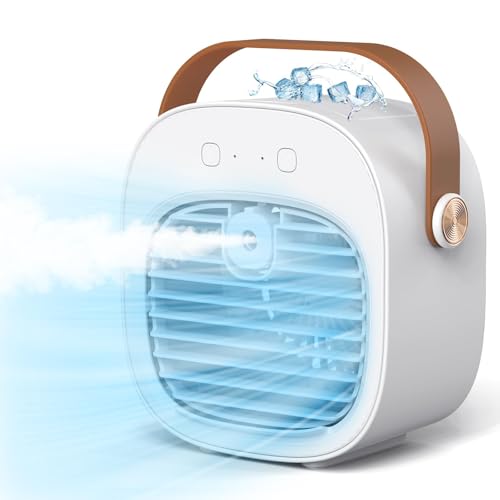
Why the "Cheapest" AC Isn't Always the Smartest Buy
When shoppers search for where to buy the cheapest air conditioner, they often focus solely on the initial outlay. But an air conditioner is a long-term investment. An entry-level unit with a low SEER rating may consume significantly more electricity over five years than a mid-tier model with a higher efficiency rating. In fact, the U.S. Department of Energy estimates that heating and cooling account for over half of a typical home's energy usage, so efficiency directly affects your long-term operational outlay.
The smartest approach is to balance the upfront acquisition with the long-term running expenses. That's why this guide focuses on value for tier—finding the unit that gives you the most cooling, durability, and efficiency for its respective market position, whether that's an essential-tier window unit or a balanced-tier mini-split. For a broader look at system types, see our guide to whole-house air conditioning systems.
The Best Places to Shop for an Air Conditioner
Not all retailers are created equal. Each channel has distinct advantages depending on whether you prioritize convenience, selection, installation services, or after-sales support. Here's a breakdown of the most common shopping destinations.
Online Marketplaces
Amazon, Walmart.com, and similar platforms offer the widest selection and frequent rollbacks. Look for "Renewed" or "Open-Box" listings for additional savings. Check seller ratings and return windows carefully.
Big-Box Home Improvement Stores
Home Depot and Lowe's frequently run seasonal promotions and offer in-store pickup. They also provide installation services and extended protection plans, which can be valuable for larger units.
Warehouse Clubs
Costco and Sam's Club often bundle air conditioners with extended warranties and free delivery. Their rotating inventory means you may find mid-tier models at entry-tier positioning during clearance events.
Manufacturer Outlets & Refurbished Stores
Direct-from-manufacturer refurbished units (e.g., Frigidaire, LG, Midea) can offer significant savings while retaining full warranties. These are ideal for buyers who prioritize durability over cosmetic perfection.
Local HVAC Contractors
While often associated with premium installations, many contractors sell entry-level and mid-range units with professional installation included. This can be the best route for central systems.
Seasonal Clearance Events
Late summer and early fall are prime times to find discounts as retailers clear inventory for heating season. Black Friday and Memorial Day sales also feature aggressive promotions on window and portable units.
Comparing Air Conditioner Tiers
To help you navigate the market, we classify air conditioners into three universal tiers. This system lets you compare models across retailers without relying on fluctuating figures or currency-specific information.
| Tier |
Typical Features |
Best For |
Longevity |
| Entry-Level |
Basic mechanical controls, standard filters, lower SEER ratings, single-speed compressors |
Small bedrooms, occasional use, renters, seasonal cooling |
5–8 years |
| Mid-Range |
Digital thermostats, remote controls, higher SEER ratings, washable filters, quieter operation |
Living rooms, home offices, daily use, multi-season cooling |
8–12 years |
| High-End / Premium |
Inverter compressors, Wi-Fi connectivity, smart home integration, air purification, ultra-quiet operation |
Whole-home comfort, allergy sufferers, tech-savvy users, long-term investment |
12–20+ years |
For most shoppers seeking an entry-level unit, focusing on the essential tier is the right starting point. These models provide reliable cooling for a single room without the extra features that drive up the acquisition figure. However, if you plan to use the unit daily or want to reduce long-term energy consumption, stepping up to a balanced-tier model with a higher SEER rating often proves to be the more efficient choice in the long run.
How to Find the Best Value at Each Retailer
Regardless of where you shop, these strategies will help you secure the best possible value:
- Check price history tools. Browser extensions like CamelCamelCamel track Amazon pricing trends. This helps you distinguish a genuine rollback from a temporary fluctuation.
- Look for ENERGY STAR certification. A certified unit may have a slightly higher upfront figure but often qualifies for utility rebates and consumes noticeably less electricity. Search the ENERGY STAR database to confirm model eligibility.
- Shop off-season. Air conditioner demand peaks in early summer. Purchasing in late September or October often reveals clearance inventory at entry-tier positioning.
- Consider open-box or refurbished units. Major retailers sell open-box items with full warranties. These are inspected and often discounted significantly. Just verify the return window and warranty terms.
- Bundle with installation. For central or mini-split systems, purchasing through a licensed contractor may include installation and a labor warranty, which adds considerable value to the overall package. Learn more about professional installation through our window AC sales and installation guide.
Window vs. Portable vs. Mini-Split: Which Tier Fits Your Space?
The type of air conditioner you choose dramatically affects where you should shop and what tier makes sense for your room. Here's a quick comparison:
- Window AC units are typically the most straightforward entry point into home cooling. They are widely available at big-box retailers, warehouse clubs, and online. Their simple installation makes them ideal for renters and small rooms. If you have a narrow or unusual window, explore our guide to window air conditioners for small window openings.
- Portable AC units offer flexibility and don't require permanent window installation, though they typically need a window venting kit. They are best suited for rooms where a window unit isn't feasible. Availability spans online marketplaces and specialty appliance retailers. For placement tips, see our article on where to find a portable air conditioner.
- Mini-split systems represent a mid-to-high-end investment but deliver superior efficiency and quiet operation. They are best purchased through licensed HVAC contractors who can properly size and install the system. Our overview of whole-house ductless heating and cooling systems explains their long-term benefits.
Maintenance and Longevity: Protecting Your Investment
No matter which tier or retailer you choose, proper maintenance extends the life of your air conditioner and preserves its efficiency. Simple tasks like cleaning or replacing the air filter every 30–90 days can reduce energy consumption by 5–15%. Schedule professional servicing annually, and address minor issues—such as unusual noises or reduced cooling—before they escalate. For troubleshooting help, consult our guide on why my central air is not cooling.
If you're considering a whole-home humidifier or dehumidifier to complement your AC, review our resources on whole-house dehumidifiers and whole-house humidifiers to maintain balanced indoor air quality.
Frequently Asked Questions
What is the best season to buy an air conditioner?
Late summer and early fall (September–October) typically offer the best clearance promotions as retailers transition to heating products. Spring sales events before peak summer demand are also good opportunities.
Are refurbished air conditioners a safe purchase?
Yes, provided you buy from a reputable retailer or manufacturer with a certified refurbishment program and a clear warranty. Refurbished units can offer excellent value within their tier.
How do I know which BTU rating I need?
Measure your room's square footage and consult a BTU sizing chart. As a general rule, 20 BTU per square foot is a reasonable baseline, but factors like ceiling height, sun exposure, and occupancy affect the calculation. For detailed guidance, read our guide on how to size an air conditioner.
Does a higher SEER rating always mean better value?
Not necessarily for every buyer. Higher SEER units generally consume less electricity, but if you only use the unit occasionally, the energy savings may not offset the higher initial tier. Balance your usage habits with the efficiency gains.