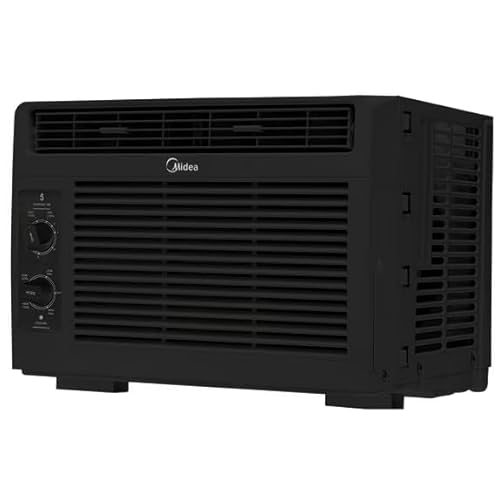
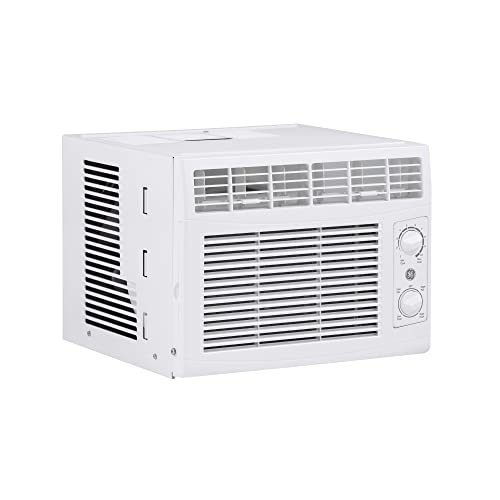
Window Air Conditioner Less Than 5000 BTU: Cooling for Tight Spaces
Compact window AC units under 5000 BTU are designed for small bedrooms, home offices, dorms, and tiny living areas. This guide explains how these small-capacity units work, who they suit best, and how to install them safely.
EXPLORE THE GUIDEQuick summary: A window air conditioner under 5000 BTU typically cools a room of roughly 100 to 150 square feet. These units are ideal when you need targeted cooling for one small space rather than a whole-home system, and they are a practical choice for renters and anyone who wants a straightforward installation.
What Does "Less Than 5000 BTU" Mean?
BTU, or British Thermal Unit, measures how much heat an air conditioner can remove from a room in one hour. A window air conditioner rated below 5000 BTU sits at the smallest end of the window AC market. These compact units are engineered to cool a single small room quickly without the larger footprint and heavier weight of higher-capacity models.
Typical applications include:
- Bedrooms around 100 to 150 square feet
- Home offices and study rooms
- Dorm rooms and guest rooms
- Small apartments with one main living space
- Sunrooms or converted porches with modest heat gain
Because the cooling capacity is intentionally limited, these units are not designed for open-plan living areas or rooms that receive direct, intense afternoon sun. Matching the unit to the room is the single most important decision you will make, and our guide on window air conditioners for small rooms explains how to evaluate your space before you buy.
Who Should Consider a Sub-5000 BTU Window AC?
A small-capacity window unit is a smart fit for several specific situations. If any of the following describe you, a compact model is likely the right starting point:
- Renters who cannot modify ductwork. A window unit installs in an existing window frame and can be removed when you move.
- Households that only need one room cooled. Cooling a bedroom at night while the rest of the home stays warmer is a common and efficient use case.
- People with small window openings. Many sub-5000 BTU models are narrower than larger units, which helps in older homes. Our article on window air conditioners for small windows covers this in detail.
- Anyone adding supplemental cooling. A small window unit can complement a central system in a room that never quite gets comfortable.
If your room is larger than roughly 150 square feet, or if it has significant heat sources such as large west-facing windows or kitchen appliances, consider stepping up to the next capacity tier. Our window air conditioner guide walks through the full range of sizes.
Room Sizing Reference for Small Window Units
The table below offers a general reference. Real-world needs vary with ceiling height, insulation, window area, and local climate.
| Cooling Capacity | Typical Room Size | Best For |
|---|---|---|
| Under 5000 BTU | Up to ~150 sq ft | Bedrooms, dorms, home offices, small studios |
| 5000–6000 BTU | ~150–250 sq ft | Larger bedrooms, small living rooms |
| 8000–10000 BTU | ~250–400 sq ft | Open living areas, small apartments |
For a deeper calculation that accounts for sunlight, occupancy, and appliance heat, see our guide on how to size an air conditioner.
Key Features to Look For
Even within the compact category, features vary meaningfully. The following capabilities are worth prioritizing when comparing models:
- Mechanical or digital controls. Digital thermostats offer more precise temperature setting, while mechanical dials are simpler and often more durable.
- Remote control. A window air conditioner with remote control is convenient when the unit sits high in a window.
- Programmable thermostat. A window air conditioner with thermostat lets you set a target temperature and let the unit cycle automatically.
- Energy efficiency ratio (EER). Higher EER means more cooling per unit of electricity. Efficiency matters most if you plan to run the unit for many hours each day.
- Washable filter. A removable, washable filter keeps airflow strong and reduces dust buildup.
- Window mounting kit. Most units include side panels and a basic frame. If you need extra support, a window AC bracket support adds stability.
Installation Considerations for Compact Units
Sub-5000 BTU window units are generally lighter and easier to handle than larger models, but installation still requires care. Follow the manufacturer's instructions and observe these practical guidelines:
- Check window type. Most units fit double-hung windows. If you have a sliding window or a crank-out window, you will need a specialized mounting kit or a different unit style.
- Measure the opening. Confirm the window opening width and height fall within the unit's specified range. If your opening is unusually narrow, our article on window air conditioners for narrow windows may help.
- Secure the unit. Use the included brackets and, where required, an exterior support bracket. Never rely on the window sash alone to hold the unit in place.
- Seal gaps. Insulate the sides and top with the provided foam panels to prevent outside air from entering and cooled air from escaping.
- Plan for drainage. Most units drain condensate to the exterior. Slight tilt toward the outside is normal and helps water exit properly. If you notice moisture indoors, see our guide on window air conditioner leaking water inside.
If you prefer not to install the unit yourself, professional help is available. Our overview of who sells and installs window air conditioners covers your options.
Maintenance Tips to Extend Unit Life
A small window unit that is maintained properly will cool more effectively and last longer. Basic care includes:
- Cleaning or replacing the air filter every two to four weeks during heavy use.
- Inspecting the exterior coils for debris and rinsing them gently at the start of each season.
- Checking that the unit remains level and securely mounted after storms or seasonal changes.
- Listening for unusual noises. If the unit runs but does not cool, review our troubleshooting guide for a window AC not cooling but fan is running.
How Compact Window Units Compare to Alternatives
Window units are not the only option for small-space cooling. A portable air conditioner offers flexibility because it can move between rooms, but it occupies floor space and requires venting through a window. A ductless mini-split AC delivers quieter operation and better efficiency, though it involves professional installation and a higher upfront investment tier.
For a single small room where simplicity and straightforward installation matter most, a window unit under 5000 BTU remains one of the most practical choices. If portability is more important than a fixed installation, our guide on where to find a portable air conditioner explores the alternative.
Frequently Asked Questions
How large a room can a window AC under 5000 BTU cool?
Generally, these units are suited to rooms up to about 150 square feet, depending on ceiling height, insulation, window exposure, and how many people occupy the space.
Can a sub-5000 BTU window unit cool a bedroom at night?
Yes. Nighttime cooling is one of the most common uses, since outdoor temperatures drop and the room's heat load is usually lower than during the day.
Do these units require a special electrical outlet?
Most small window units run on a standard household circuit. Always check the unit's electrical requirements and avoid sharing the circuit with other high-draw appliances.
Are sub-5000 BTU units quieter than larger models?
In many cases, yes, because the compressor and fan are smaller. However, noise levels vary by model, so check the manufacturer's published sound rating when comparing options.
What if my window opens sideways?
You will need a unit designed for that window type or an adapter kit. Our guide on window air conditioners for windows that open sideways explains the options.
Ready to Compare Models?
Explore the recommended window air conditioners below and find the right fit for your small space.
SEE RECOMMENDATIONS