Window Mounted Air Conditioner and Heater: Complete Guide
One installation point. Two seasons covered. Understand how combination window units cool and heat, how to size them, and how to pick the right tier for your room and climate.
Explore the GuideWho this guide is for: If you are researching a window mounted air conditioner and heater before buying, you already know the product category. This page fills the gaps: how heating mode actually works, which specifications matter, installation realities, and how to match a unit to your room without oversizing it.
What Is a Window Mounted Air Conditioner and Heater?
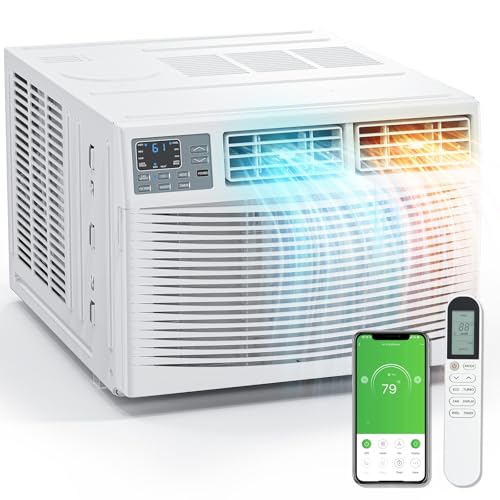
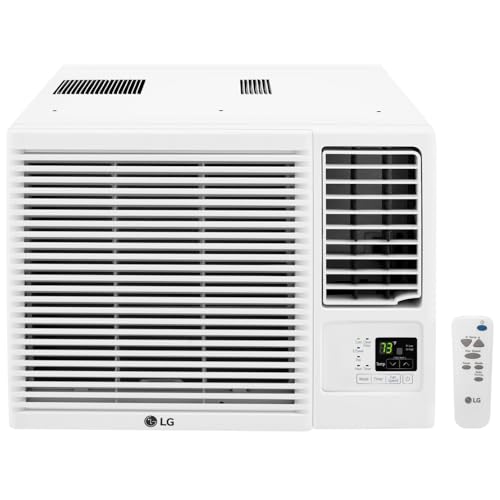
A window mounted air conditioner and heater is a single-chassis unit installed in a double-hung or sliding window frame. It cools and dehumidifies in summer, then switches to a heating mode in cooler months. The two functions share the same cabinet, the same outdoor exposure, and usually the same thermostat control panel.
There are two broad heating approaches. Heat pump models reverse the refrigerant cycle to move heat from outdoor air into the room, which is efficient in the long run. Resistance heat models use an electric heating element, which is simpler in construction but draws more current. Some units in the air conditioners and heaters combination category blend both approaches for shoulder seasons.
How the Heating Mode Works
In a heat pump window unit, a reversing valve changes refrigerant flow direction. The indoor coil becomes the condenser and releases heat into the room, while the outdoor coil absorbs heat from outside air. This works best in mild to moderate climates. In resistance heat models, a heating element warms air as the fan pushes it into the room. Resistance heat is reliable in colder conditions but consumes more electricity per unit of heat delivered.
Most combo units include an automatic heat cool thermostat that switches between modes based on setpoint. This is the feature that makes a window heat and air unit practical for year-round use rather than a seasonal appliance.
Why Choose a Window Combo Unit?
Window mounted air conditioner and heater units solve a specific problem: rooms that need both cooling and heating but lack ductwork, central system capacity, or wall space for separate appliances. They are common in older homes, additions, converted garages, apartments, and single-room retrofits.
- Single installation point: One window opening serves both seasons.
- No ductwork required: Ideal for rooms where running ducts is impractical. Compare options in in-wall air conditioning and heating units if wall mounting is preferred.
- Room-specific control: You heat and cool only the space in use, avoiding whole-home conditioning for a single occupied room.
- Simplified retrofit: Useful when installing air conditioning in an old house where structural changes are difficult.
Cooling and Heating Specifications That Matter
When comparing window mounted air conditioner and heater models, focus on capacity, electrical draw, and efficiency ratings rather than marketing labels.
Cooling Capacity (BTU)
Cooling capacity should match room size and heat load. A typical rule of thumb starts around 20 BTU per square foot, adjusted upward for sun exposure, occupancy, and kitchen heat. For a focused breakdown, see how to size an air conditioner. Units in the 8,000–12,000 BTU range cover most single rooms; a 10,000 BTU window air conditioner with remote is a common mid-range reference point.
Heating Output
Heating output is often specified separately from cooling capacity. Heat pump models may deliver heating capacity close to their cooling rating, while resistance models are rated in watts or supplemental BTU. Check whether the heating mode is intended as primary heat or supplemental heat. In colder climates, a combo unit often works best as a supplement to an existing furnace rather than a standalone heat source.
Efficiency Ratings
Cooling efficiency is expressed through SEER or EER, and heating efficiency through COP or HSPF depending on the model. Higher-tier heat pump combos generally deliver better year-round efficiency than entry-level resistance models. Learn the fundamentals in what is SEER rating.
Electrical Requirements
Heating mode draws more current than cooling. Verify the amperage rating and breaker requirements before buying. Many combo units use 115V circuits, but larger models may require 230V service. If you are unsure about your panel capacity, review amps and breaker size for AC and consider a professional inspection.
Window AC with Heat vs Other Heating Options
A window combo unit is not the only path to room-level heating and cooling. Understanding the alternatives helps you choose the right category.
| Option | Best For | Trade-Off |
|---|---|---|
| Window mounted AC and heater combo | Single rooms with an available window, year-round use | Window space required; heating output may be supplemental in cold climates |
| Portable AC with heat pump | Renters and rooms without window mounting clearance | Venting required; floor space consumed. See portable air conditioning unit with heat pump |
| Ductless mini-split | Whole-room comfort with stronger heating performance | Professional installation; higher upfront investment. See split ductless air conditioning systems |
| Through-the-wall combo unit | Permanent installation with wall sleeve | Structural modification required. See through the wall portable air conditioner |
For homes with existing central systems, a window combo can supplement a weak zone rather than replace the system. If the main system has failed, review my central air conditioner stopped working before deciding on a temporary room solution.
Product Tiers: How to Read the Market
Window mounted air conditioner and heater models fall into recognizable tiers. Use these descriptors to compare models without relying on fluctuating figures.
Essential Tier
Mechanical controls, resistance heating, straightforward installation. Solid choice for occasional heating and cooling in mild climates.
Balanced Tier
Digital thermostat, remote control, sleep mode, and improved fan settings. Well-specified for the category and suitable for daily use.
High-End Tier
Heat pump heating, higher efficiency ratings, quieter operation, and smart connectivity. Competitive within its class for year-round comfort.
Top-Tier
Premium materials, advanced inverter or variable-speed compressors, and refined airflow control. A long-term investment for primary room comfort.
Installation Considerations
Window combo units are heavier than cooling-only units because of the added heating components. Proper support is essential. Follow the manufacturer's bracket and window kit instructions, and verify the unit sits level with a slight outward tilt for condensate drainage.
If you are adapting an existing installation point, review window air conditioner replacement and mounting a window AC unit in the wall for structural guidance. For wall-sleeve installations, confirm the chassis dimensions match before purchase.
Seal the window gap with insulating panels to prevent heat loss in winter and cool air loss in summer. A poorly sealed combo unit wastes both heating and cooling output. For a broader installation overview, see the installation guide.
If the unit requires new electrical service or a dedicated circuit, consider whether a permit is needed. See how to get AC permit for general guidance.
Maintenance for Year-Round Use
A combo unit works in both seasons, so maintenance matters more than with a seasonal appliance. Clean the filter monthly during heavy use, and inspect the outdoor coil before each heating season. Dust and debris reduce both cooling and heating performance.
- Clean or replace the air filter regularly. See how to clean AC filter.
- Inspect and clean the condenser coil. See clean AC condenser coils.
- Check the thermostat calibration before each season change.
- Inspect the window seal and insulation panels for gaps.
- Schedule professional service if heating output drops or the unit cycles abnormally. Compare HVAC maintenance plan options if you want recurring service.
Troubleshooting Common Issues
If the unit runs but does not cool, start with airflow and filter checks before assuming a refrigerant issue. If the heating mode fails, verify the thermostat mode, breaker, and outdoor coil condition. For cooling-side diagnostics, see my air conditioner is not blowing out cold air. If you suspect a refrigerant leak, review AC refrigerant leak repair before deciding whether repair is appropriate for the unit's tier.
Frequently Asked Questions
Can a window air conditioner also heat a room?
Yes. Window mounted air conditioner and heater units combine cooling and heating in one chassis. Heating is delivered through a heat pump cycle or an electric resistance element, depending on the model tier.
How does a window heat and air unit differ from a standard window AC?
A standard window AC only cools and dehumidifies. A combo unit adds a heating mode, reversing valve or heating element, and a heat-cool thermostat, so it can manage both summer and winter comfort from the same installation point.
What size window unit do I need for heating and cooling?
Size the cooling capacity by room square footage and heat load, then verify the heating output matches your climate. In cold regions, choose a model with a stronger heating mode and supplemental insulation rather than oversizing the cooling side.
Do window AC heater combos require special electrical service?
Many run on 115V circuits, but heating mode draws more current than cooling. Check the amperage rating, confirm your breaker capacity, and use a dedicated outlet. Larger models may require 230V service.
Are window mounted heater and AC units energy efficient?
Efficiency varies by tier. Heat pump based models are efficient in the long run because they move heat rather than generate it. Entry-level resistance heat models are simpler but consume more electricity during heating.
Final Checklist Before You Buy
- Confirm the window opening width, height, and sill depth match the unit.
- Match cooling BTU to room size and heat load.
- Verify heating output is sufficient for your climate, or plan to use it as supplemental heat.
- Check electrical requirements and breaker capacity.
- Decide between heat pump and resistance heating based on climate and usage pattern.
- Plan for proper support brackets and window sealing.
- Review warranty terms for both cooling and heating components.
With these checks complete, you can compare window mounted air conditioner and heater models by tier and feature set with confidence, then move to the product recommendations below.