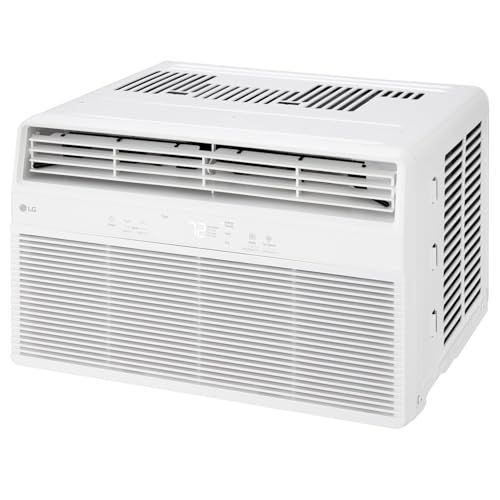
10,000 BTU Window Air Conditioner with Remote: Complete Buyer's Guide
Everything you need to know about choosing, installing, and maintaining a 10,000 BTU window air conditioner with remote control — from cooling capacity and energy efficiency to smart features and long-term reliability.
What Is a 10,000 BTU Window Air Conditioner?
A 10,000 BTU window air conditioner is a self-contained cooling unit designed to be mounted in a window frame. The "10,000 BTU" rating refers to its cooling capacity — British Thermal Units per hour — which determines how much heat it can remove from a room. Units in this range are typically the sweet spot for cooling medium-sized living spaces without the complexity of ductwork or professional installation.
What sets the remote control variant apart is convenience. Instead of reaching up to the unit to adjust settings, you can change temperature, fan speed, mode, and timers from across the room. Many modern remotes also include a built-in thermostat sensor, allowing the unit to regulate temperature based on where you are sitting rather than the air temperature near the window.
Compared to smaller 5,000–6,000 BTU units, a 10,000 BTU model cools larger areas and handles heat gain from windows, kitchens, and occupancy more effectively. Compared to larger 12,000–14,000 BTU units, it remains easier to install and typically fits standard double-hung windows without reinforcement. For a broader comparison of window unit sizes, see our guide to energy-efficient window air conditioners.
How Much Room Can a 10,000 BTU Unit Cool?
As a general rule, a 10,000 BTU window air conditioner is suitable for rooms between 350 and 450 square feet. However, square footage alone is not enough. The actual cooling load depends on several factors:
- Ceiling height: Standard 8-foot ceilings are assumed; taller ceilings increase the volume of air to cool.
- Sun exposure: South- or west-facing rooms with large windows gain more heat and may need the upper end of the range.
- Occupancy: Each person adds roughly 400–600 BTU of heat load.
- Appliances: Kitchens and home offices with computers, TVs, or cooking equipment require more capacity.
- Insulation quality: Older homes with poor insulation may need a larger unit or a 12,000 BTU model.
If your room exceeds 450 square feet or has significant heat gain, consider stepping up to a 12,000 BTU unit. For smaller rooms up to 250 square feet, an 8,000 BTU through-the-wall air conditioner may be more appropriate. Getting the size right is critical: an oversized unit cools too quickly without removing humidity, leaving the room feeling clammy, while an undersized unit runs continuously and wears out faster. For a deeper look at sizing calculations, read our guide on how to size an air conditioner.
Key Features to Look For in a Remote-Controlled Window AC
Not all 10,000 BTU window units with remote control are created equal. The table below outlines the features that matter most, along with how they affect day-to-day use and long-term ownership.
| Feature | Why It Matters | What to Look For |
|---|---|---|
| Remote Control Type | Convenience and accessibility | Infrared remote with display; some include a built-in room temperature sensor |
| Energy Efficiency Ratio (EER/CEER) | Lower electricity consumption over the season | Higher EER/CEER ratings; ENERGY STAR certification where available |
| Cooling Modes | Flexibility for comfort and humidity control | Cool, fan-only, dry/dehumidify, and auto modes |
| Fan Speed Settings | Noise control and air distribution | At least 3 speeds; low speed for sleeping, high for quick cooling |
| Programmable Timer | Energy management and convenience | 24-hour timer; auto-on and auto-off scheduling |
| Sleep Mode | Comfort and quieter operation at night | Gradual temperature adjustment and reduced fan noise |
| Filter Type | Indoor air quality and maintenance ease | Washable mesh filter; some include anti-bacterial or carbon layers |
| Noise Level | Comfort in bedrooms and living areas | Lower decibel ratings, especially on low fan speed |
| Smart Connectivity | Remote access and integration | Wi-Fi control via app; voice assistant compatibility on select models |
| Installation Kit | Ease of setup and window compatibility | Window mounting kit, foam insulation, support brackets included |
For units that add app-based control on top of the physical remote, see our overview of smart window air conditioners.
Why the Remote Control Makes a Real Difference
The remote is more than a convenience accessory. In practice, it changes how you use the unit:
- Accessibility: Window units are often mounted high, especially in kitchens or above furniture. A remote lets you adjust settings without climbing or reaching.
- Precise comfort: Many remotes include a thermostat sensor, so the unit reads the temperature near you rather than near the window — resulting in more accurate comfort.
- Timer programming: Set the unit to turn on before you arrive home or shut off after you fall asleep.
- Nighttime use: Adjust fan speed or activate sleep mode without getting out of bed.
Some users prefer a wall-mounted thermostat for central-like control. Our article on AC thermostats with remote control explains how these compare to handheld remotes.
Installation: What to Expect
One of the biggest advantages of a window air conditioner is straightforward installation. A 10,000 BTU unit is heavier than smaller models — typically 60–80 pounds — so plan for two people during lifting and positioning. Here is a general overview:
- Check window compatibility: Most units fit double-hung windows 26–36 inches wide. Measure the window opening and compare it with the unit's dimensions before purchasing.
- Inspect the window frame: Ensure the sash and frame are sturdy. For older windows, reinforcement may be needed.
- Mount the support bracket: Many units include a bracket or require an optional one. Proper support prevents sagging and reduces vibration.
- Seal the gaps: Use the included foam insulation and side panels to prevent outside air and insects from entering. Poor sealing wastes energy and can cause condensation issues.
- Level the unit: A slight downward tilt toward the outside allows condensate to drain properly.
- Plug in safely: Most 10,000 BTU units use a dedicated 115V circuit; check the amperage and breaker requirements.
For a detailed walkthrough, see our installation guide. If your window type is unusual — for example, casement windows — read our guide on window air conditioner installation for casement windows. For a permanent installation through a wall, our article on mounting a window AC unit in the wall covers the structural considerations.
Energy Efficiency: What to Know Before You Buy
Efficiency is one of the most important long-term considerations. A 10,000 BTU window AC with remote can be a significant electricity user during peak summer months, so understanding the efficiency metrics helps you make a smarter choice:
- EER (Energy Efficiency Ratio): Cooling output divided by power input. Higher is better. Look for units with competitive EER ratings within their class.
- CEER (Combined Energy Efficiency Ratio): A newer metric that accounts for standby power and seasonal variations.
- ENERGY STAR: Certified models meet stricter efficiency guidelines. Availability varies, but when present, it is a strong indicator of efficient design.
- Inverter technology: Some window units now use inverter compressors that modulate speed rather than cycling on and off. These can be more efficient and quieter, though they are typically positioned at a higher tier. For an example of inverter window technology, see our page on the U-shaped smart inverter window air conditioner.
Efficiency also depends on installation quality and maintenance. Sealing gaps around the unit, shading the window, and cleaning the filter regularly all contribute to lower energy use. For broader efficiency strategies, read our tips on reducing AC electricity usage.
Maintenance That Keeps Your Unit Running for Years
A window AC is a durable appliance, but regular maintenance is what separates a unit that lasts a decade from one that struggles after three summers. Here is a practical schedule:
- Every two weeks during heavy use: Remove and rinse the air filter. A clogged filter reduces airflow, strains the compressor, and worsens air quality. See how to clean an AC filter.
- Monthly: Inspect the outdoor side of the unit for debris, leaves, or insect nests. Ensure the condenser coils are not blocked.
- Seasonally: Clean the condenser coils with a soft brush or coil cleaner. Our guide on cleaning condenser coils covers the process safely.
- Before storage: If you remove the unit in winter, clean it thoroughly, dry it, and store it covered to prevent dust buildup.
- Annual check: Look for unusual noises, water leaks, or reduced cooling. Addressing small issues early prevents bigger repairs.
If your unit is not cooling as it should, our troubleshooting article on why an air conditioner is not blowing cold air can help you diagnose common causes. For professional maintenance options, see HVAC maintenance plans.
Getting the Most From the Remote Control
The remote is a small but important part of ownership. A few habits keep it reliable:
- Keep spare batteries: Most remotes use AAA or coin-cell batteries. Replace them at the start of each cooling season.
- Point directly at the unit: Infrared remotes require a clear line of sight. Avoid placing objects in front of the receiver.
- Use the thermostat sensor feature if available: This allows the unit to cool based on the temperature at the remote's location, which is often more comfortable than the temperature at the window.
- Store the remote safely: A wall-mounted holder or a dedicated drawer prevents misplacement.
If you prefer a combined heating and cooling solution, explore air conditioner and heater combinations and window-mounted AC and heater units.
Common Mistakes to Avoid
- Buying by square footage alone: Heat gain, ceiling height, and occupancy matter just as much.
- Oversizing the unit: A too-large unit cools the air quickly but leaves humidity high, resulting in a cold, damp feeling. It also cycles on and off more frequently, which adds wear.
- Undersizing the unit: An undersized unit runs continuously, struggles to reach the set temperature, and consumes more energy over time.
- Poor sealing: Gaps around the window installation let hot air in and cooled air out, undermining efficiency.
- Skipping filter maintenance: A dirty filter is one of the most common causes of reduced cooling and premature failure.
- Ignoring electrical requirements: Plugging a high-draw unit into an overloaded circuit is a safety hazard. Check the amperage and use a dedicated circuit where required.
For more on avoiding pitfalls, read our articles on what happens if an AC is too big or too small and common AC installation mistakes.
How a 10,000 BTU Window Unit Compares
| Option | Best For | Installation | Remote Control |
|---|---|---|---|
| 10,000 BTU Window AC with Remote | Medium rooms (350–450 sq ft); renters and homeowners who want simple installation | DIY-friendly; fits standard double-hung windows | Included; often with thermostat sensor |
| 8,000 BTU Window AC | Smaller rooms (250–350 sq ft) | DIY-friendly; lighter unit | Available on many models |
| 12,000 BTU Window AC | Large rooms (450–550 sq ft) or high heat gain | DIY-friendly but heavier; may need stronger bracket | Available on many models |
| Portable AC with Remote | Rooms without suitable windows; temporary setups | No window mounting; requires venting kit | Commonly included |
| Mini-Split with Remote | Whole-room comfort with quieter operation | Professional installation recommended | Included; often with advanced features |
If portability is a priority, see our guide to portable air conditioners. If you want ductless cooling for multiple rooms, explore ductless mini-split systems and split ductless air conditioning systems.
Understanding Product Tiers in This Category
When comparing 10,000 BTU window air conditioners with remote control, it helps to think in terms of market positioning rather than specific figures. The descriptors below are used throughout this guide and in our recommendations:
- Entry-level: Basic cooling and fan modes, simple remote, standard filter. A solid choice for occasional use or secondary rooms.
- Mid-range: Adds features such as programmable timers, sleep mode, improved filter options, and quieter operation. Often the best balance of features and durability.
- Premium: Includes higher-efficiency compressors, advanced remote functions, better noise control, and sometimes smart connectivity.
- Top-tier: Flagship models with inverter technology, app control, voice assistant compatibility, and the highest efficiency ratings in the window category.
These tiers describe relative market position, not absolute figures. A mid-range model from a reputable brand often delivers the best long-term value for most households, while top-tier units appeal to users who prioritize quiet operation and smart features.
Frequently Asked Questions
What size room is a 10,000 BTU window air conditioner suitable for?
Typically 350–450 square feet, depending on ceiling height, sun exposure, occupancy, and insulation. Rooms with large windows or kitchens may need the upper end of that range or a larger unit.
Can I install a 10,000 BTU window AC myself?
Yes, most homeowners can install one with basic tools and a helper for lifting. The unit is heavier than smaller models, so use a support bracket and follow the manufacturer's instructions carefully. If your window frame is damaged or unusual, professional installation is recommended.
Does the remote control work from another room?
Standard infrared remotes require line of sight to the unit, so they generally work within the same room. Some models with Wi-Fi or app control allow adjustments from anywhere with an internet connection.
How often should I clean the filter?
Every two weeks during heavy use, or at least monthly. A clean filter maintains airflow, improves cooling performance, and reduces strain on the compressor. See our guide on cleaning AC filters.
Is a 10,000 BTU unit noisy?
Noise levels vary by model and fan speed. On low speed, many modern units are quiet enough for bedrooms. Premium and top-tier models generally offer better sound insulation and quieter compressors. Check decibel ratings where available.
Can a window AC with remote also dehumidify?
Most units include a dry or dehumidify mode that prioritizes moisture removal. This is useful in humid climates, though window ACs are not a substitute for a dedicated dehumidifier in very damp spaces.
What electrical requirements does a 10,000 BTU unit have?
Most use a 115V circuit and draw enough current that a dedicated circuit is often recommended. Check the unit's amperage rating and your home's breaker capacity. If you are unsure, consult a licensed electrician. Our article on amps and breaker size for AC units provides additional guidance.
Should I remove the unit in winter?
Removing and storing the unit protects it from extreme weather and drafts, and extends its lifespan. If you leave it installed, use an outdoor cover and seal gaps to prevent cold air infiltration.
Ready to Choose the Right Unit?
You now have the information to evaluate 10,000 BTU window air conditioners with remote control confidently. Compare features, check efficiency ratings, and choose the tier that matches your room and usage. If you are still deciding between window and portable options, our guides on portable AC for crank windows and room air conditioners that don't need a window can help.