Windowless Air Conditioners: Complete Guide
Everything you need to know about cooling a room that has no usable window — from ductless mini-splits and portable venting kits to through-wall and central options. Compare types, sizing rules, and practical installation routes before you buy.
Explore Cooling OptionsWho this guide is for: If your room has no window, a sealed window, or a landlord who will not permit a window-mounted unit, you are in the right place. This page explains the realistic cooling methods available to you, the trade-offs of each, and how to match the right system to your space — so you can buy with confidence.
What Counts as a Windowless Air Conditioner?
A windowless air conditioner is any cooling system that does not rely on a traditional window-mounted chassis. Instead of hanging a unit in a sash window, these systems exhaust heat or move refrigerant through a wall, a door frame, a drop ceiling, or a dedicated vent. The category spans portable units with alternative exhaust kits, ductless mini-splits, through-the-wall models, and full central systems. Understanding which of these fits your building is the single most important step before you buy.
Portable AC with Vent Kit
Rolls from room to room. Requires an exhaust route — a wall vent kit, sliding door panel, or drop-ceiling vent. Best for renters and temporary cooling.
Through-the-Wall AC
Installed into a sleeve cut through an exterior wall. No window needed, permanent installation, and generally quieter than portable units.
Ductless Mini-Split
Wall-mounted indoor head paired with an outdoor condenser. Quiet, efficient, and ideal for rooms with no window or poor window access.
Central / Zoned System
Whole-home cooling distributed through ductwork. The right choice when you need to cool multiple windowless rooms at once.
Cooling Options Compared
Each windowless approach solves the same problem in a different way. The table below summarizes how each system exhausts heat, what installation work is involved, and who it suits best. Use it as a quick decision matrix, then read the detailed sections that follow.
| System | How It Exhausts Heat | Installation Effort | Best For |
|---|---|---|---|
| Portable AC (single or dual hose) | Flexible hose routed through a wall vent kit, sliding-door panel, or ceiling vent | Low — no structural changes required | Renters, temporary setups, single rooms |
| Through-the-Wall AC | Direct rear discharge through a wall sleeve | Moderate — requires wall cutting | Permanent cooling for one room without a window |
| Ductless Mini-Split | Outdoor condenser connected by refrigerant lines through a small wall penetration | High — professional installation recommended | Quiet, efficient long-term cooling for a room or zone |
| Central / Zoned System | Ductwork carries conditioned air; heat is rejected outdoors by the condenser | High — full HVAC design and ductwork | Whole-home or multi-room cooling |
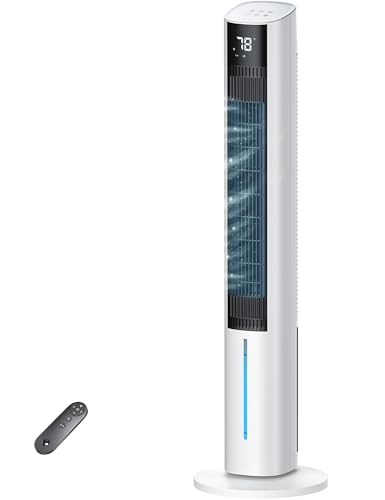
| Evaporative Cooler | No exhaust — adds moisture to the air | Low | Dry climates only; not a true AC replacement |
Portable Air Conditioners Without a Window
Portable units are the most accessible entry point for windowless rooms. A single-hose model pulls room air, cools it, and pushes hot air out through the hose — which creates negative pressure and can draw warm outside air back in. A dual-hose model separates intake and exhaust, making it noticeably more efficient in sealed rooms. If you want to understand the mechanics in more depth, read our guide to a windowless air conditioner without an exhaust hose to see why some designs avoid hoses entirely and what the trade-offs are.
- Wall vent kit: A short sleeve and weatherproof hood installed through an exterior wall. This is the cleanest permanent route for a portable unit in a windowless room.
- Sliding-door panel: A fabric or rigid panel that seals the door opening while the hose exits. Common in apartments with balcony doors.
- Drop-ceiling vent: In offices or basements, the hose can be routed into the plenum space and out through a soffit vent.
For a closer look at specific models and their real-world performance in rooms without windows, our windowless portable air conditioner reviews break down what to expect from each tier.
Through-the-Wall and Wall-Sleeve Units
A through-the-wall unit is essentially a window AC redesigned to sit inside a wall sleeve. It does not need a window at all — only an exterior wall. These units are quieter than portables, do not consume floor space, and are a solid mid-tier choice for bedrooms, home offices, and converted basements. If your home already has a sleeve from an old unit, you can often drop in a modern replacement without further construction. Homeowners who also need heating should look at a window and wall AC unit with heat so one appliance handles both seasons.
Ductless Mini-Splits for Rooms Without Windows
Mini-splits are the high-end tier of windowless cooling. A small indoor head mounts on a wall or ceiling, and refrigerant lines run through a three-inch hole to an outdoor condenser. There is no window, no hose, and no bulky chassis. The system is quiet, highly efficient, and easy to zone. If you are cooling more than one room, a windowless air conditioning unit designed for multi-zone use — or a zoned HVAC system — lets you set independent temperatures per room. For a single room, a mini-split is usually the most comfortable long-term answer.
How to Size a Windowless AC
Capacity is measured in BTU (British Thermal Units). The standard rule of thumb is roughly 20 BTU per square foot for an average room with standard ceiling height and moderate sun exposure. Adjust upward by about 10% for a sunny south- or west-facing room, high ceilings, or more than two occupants, and downward by about 10% for a shaded, well-insulated room. An oversized unit short-cycles, which wastes energy and leaves the room clammy; an undersized unit runs constantly without reaching the setpoint.
| Room Size | Approximate Capacity | Typical Fit |
|---|---|---|
| Up to 150 sq ft | 5,000 – 6,000 BTU | Bedroom, small office, studio nook |
| 150 – 250 sq ft | 8,000 – 10,000 BTU | Standard bedroom, home office |
| 250 – 400 sq ft | 12,000 – 14,000 BTU | Living room, open-plan studio |
| 400 – 700 sq ft | 18,000 – 24,000 BTU | Large living area, multi-room zone |
| 700+ sq ft | 24,000 BTU+ or multi-zone | Whole floor, central or multi-split |
For a more precise calculation, use our AC sizing guide, which walks through the full BTU formula and the adjustments that matter most.
Efficiency Ratings That Matter
Efficiency determines how much cooling you get per unit of electricity over the life of the system. The key metrics are SEER2 (seasonal efficiency for cooling), EER2 (efficiency at peak conditions), and HSPF2 for heat-pump models. Higher numbers mean lower operating energy. Inverter-driven compressors — found in most modern mini-splits and premium portables — modulate speed instead of cycling on and off, which improves both comfort and efficiency.
- SEER2: The seasonal benchmark. Look for models that exceed the current DOE minimum for your region.
- EER2: Matters most in hot climates where the unit runs at full load for long stretches.
- Inverter compressor: Smoother temperature control and lower energy use in part-load conditions.
Our explainer on what a SEER rating is covers how the numbers are calculated and how to compare models fairly. If you also want to cut run-time, pairing your unit with a wireless air conditioner thermostat lets you schedule cooling around occupancy instead of running it all day.
Key Buying Considerations
Beyond capacity and efficiency, a few practical factors separate a good purchase from a frustrating one. Walk through this checklist before you shortlist a model.
- Exhaust route: Confirm where the hot air will go. A portable unit is useless without a viable vent path; a mini-split needs an exterior wall for the line set.
- Noise level: Measured in decibels. Mini-splits are the quietest; dual-hose portables are quieter than single-hose models because the compressor load is split.
- Drainage: Portable units produce condensate. Look for self-evaporative designs or a unit with a built-in drain pump if you cannot easily empty a tank.
- Smart controls: Wi-Fi and app control let you schedule cooling and monitor energy use. A wireless air conditioner with app integration is worth prioritizing if you travel or work irregular hours.
- Electrical requirements: Most portable units run on standard 110V outlets; mini-splits and through-wall units may need a dedicated circuit. Check before you buy.
Which Tier Fits Your Situation?
Portable with Wall Vent Kit
No structural changes, easy to relocate, and a straightforward path to cooling a room with no usable window. Prioritize a dual-hose model for better efficiency in sealed rooms.
Through-the-Wall Unit
A clean, quiet, space-saving solution when you own the wall and can install a sleeve. Handles both cooling and heating if you choose a heat-pump model.
Ductless Mini-Split
The quietest and most efficient option for a room without a window. Best installed by a professional, but pays back in comfort and low running energy over its service life.
Zoned or Central System
When several windowless rooms need cooling, a zoned design or full central system distributes conditioned air evenly and lets you control each area independently.
If your building layout is unusual — for example an apartment with only a sliding door or a converted basement — our guide to an air conditioner for an apartment with no windows covers the specific venting workarounds that actually work in practice.
Keeping Your Windowless AC Efficient
Maintenance matters more for windowless setups because the exhaust path and the indoor air quality are tightly linked. A clogged filter or a kinked hose forces the compressor to work harder and can reduce cooling output noticeably within a single season.
- Clean or replace the filter every two to four weeks during peak cooling season.
- Inspect the exhaust hose and vent kit for kinks, gaps, or loose seals — leaks let hot air back into the room.
- Empty or drain the condensate tank regularly, and clean the drain line to prevent mold.
- For mini-splits, schedule an annual professional service to clean coils and check refrigerant charge.
Our broader air conditioner service and maintenance guide expands on seasonal checklists and the tasks worth doing yourself versus calling a technician.
Frequently Asked Questions
Can you use a portable air conditioner without a window?
Yes, but it requires an exhaust solution. You can vent through a wall vent kit, a sliding-door panel, a drop ceiling, or a dedicated windowless vent kit. Without proper exhaust, a single-hose portable unit will not cool effectively and may actually draw warm air back into the room.
What is the best windowless air conditioner for an apartment?
A ductless mini-split is usually the best long-term option for apartments, offering quiet operation and high efficiency. For renters who cannot modify walls, a portable AC with a wall vent kit or a dual-hose unit vented through a sliding door is the most practical alternative.
Do windowless air conditioners need to be vented?
Single-hose and dual-hose portable units must be vented to exhaust hot air. Ductless mini-splits and central systems do not require window venting but need a small wall penetration for refrigerant lines or ductwork. Only evaporative coolers operate without exhaust, and they work only in dry climates.
How do I size a windowless AC for my room?
Measure the room's square footage and apply the standard BTU rule: about 20 BTU per square foot for average conditions. Adjust upward for strong sun exposure, high ceilings, or multiple occupants, and downward for shaded or well-insulated rooms.
Are windowless AC units as efficient as window units?
Ductless mini-splits are generally more efficient than window units because inverter compressors modulate speed and there is no window-frame heat leak. Portable units are typically less efficient than window or through-wall units due to hose heat gain and negative pressure, though dual-hose designs narrow the gap.