1.1 Ton AC: The Complete Guide to Sizing, Features, and Choosing
Everything you need to know about 1.1 ton air conditioners — from BTU capacity and room matching to compressor technology, installation requirements, and the tier descriptors that help you compare models with confidence.
Explore Buying FactorsWhy a 1.1 ton AC deserves your attention: This capacity sits in a sweet spot between compact room units and whole-home systems. It is large enough to cool a generously sized living area or a master bedroom, yet manageable enough for standard residential electrical setups. If you have been comparing a 1 ton air conditioning unit against slightly larger options, the 1.1 ton class is often the practical middle ground.
What Exactly Is a 1.1 Ton AC?
The term "ton" in air conditioning is a measure of cooling capacity, not weight. One ton of cooling equals 12,000 BTU per hour — the amount of heat required to melt one ton of ice in 24 hours. A 1.1 ton AC therefore delivers roughly 13,200 BTU per hour, though manufacturers frequently round the nominal rating and you will see units labeled anywhere from 12,000 to 13,500 BTU.
This capacity class is popular because it bridges the gap between small-room portables and larger central systems. It is a common specification for split-type air conditioners, ductless mini-splits, and high-capacity window units. If you are still mapping out the full range of capacities, the broader 1 ton air conditioning unit overview is a useful companion read.
| Specification | Typical Value for 1.1 Ton | Notes |
|---|---|---|
| Cooling Capacity | ~13,200 BTU/hr | Nominal ratings vary from 12,000 to 13,500 BTU |
| Recommended Room Size | 500 – 650 sq ft | Adjust for ceiling height, insulation, and sun exposure |
| Typical Voltage | 115V or 230V | Split systems usually 230V; some window units 115V |
| Current Draw | Approx. 5 – 9 amps | Higher startup surge; inverter models vary |
| Common Form Factors | Split, mini-split, window | Portable models in this class are less common |
Matching a 1.1 Ton AC to Your Room
Capacity alone does not guarantee comfort. A 1.1 ton unit that is correctly matched to the space will cycle smoothly, hold humidity in check, and avoid the short-cycling that plagues oversized systems. Use the following baseline, then adjust for real-world conditions:
- Standard room (8 ft ceiling, average insulation, moderate shade): 500 to 650 square feet is the comfortable working range.
- High ceilings (10 ft or more): treat the space as roughly 15–20% larger than its floor area suggests.
- Heavy sun exposure or large west-facing windows: lean toward the lower end of the range or consider a slightly higher capacity.
- Well-insulated modern construction with shaded windows: the upper end of the range is realistic.
- Kitchen or open-plan living area: add capacity for appliance heat gain and foot traffic.
For a deeper walkthrough of the math, the guide on 10,000 BTU air conditioner room size explains how square footage, ceiling height, and heat sources interact — the same logic scales directly to the 1.1 ton class.
Inverter vs Non-Inverter: Which 1.1 Ton AC Fits You?
The compressor is the heart of any air conditioner, and the technology inside it shapes your daily experience more than any other feature. A 1.1 ton inverter AC uses a variable-speed compressor that ramps up and down to hold the set temperature. A non-inverter model runs at fixed full power and switches on and off as the thermostat demands.
1.1 Ton Inverter AC
Steadier room temperature, quieter ramp-up, and generally lower long-term energy use. Inverter models are the balanced-tier choice for bedrooms, home offices, and living areas where comfort consistency matters. They are also a strong fit where the unit will run for long stretches during hot months.
1.1 Ton Non-Inverter AC
Simpler mechanics, fewer electronic components, and a straightforward on/off cycle. Non-inverter units are the entry-level tier and suit spaces used intermittently — guest rooms, occasional-use studios, or rental units where the runtime is short. They are easier to service and often have a longer track record of durability in harsh conditions.
If you want a side-by-side breakdown of efficiency curves and runtime behavior, the comparison of inverter AC vs non-inverter covers the technical detail. For the broader technology picture, including variable-speed compressor design, the variable speed air conditioner guide is a useful next step.
Common Form Factors for 1.1 Ton Capacity
Capacity does not dictate form factor, but in the 1.1 ton class a few configurations dominate. Each has distinct installation and space implications:
Ductless Mini-Split
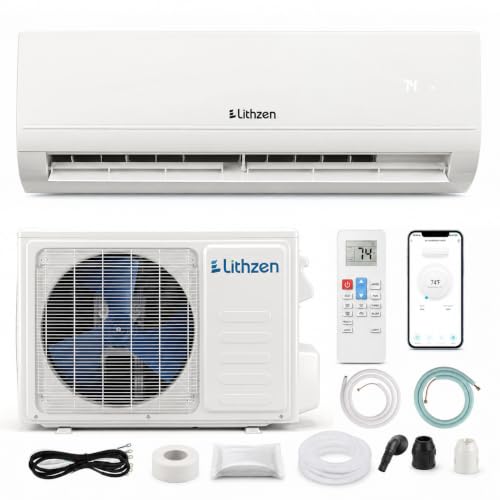
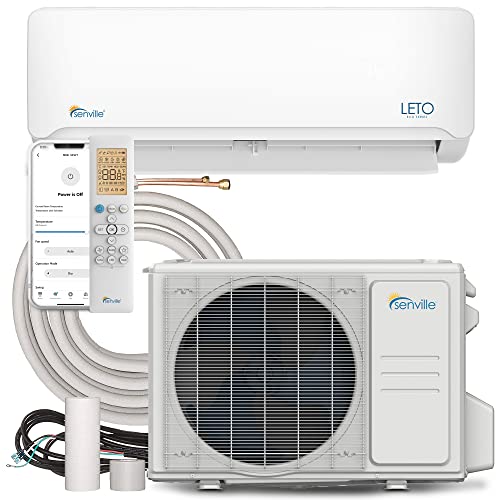
A wall-mounted indoor head paired with an outdoor condenser. No ductwork required, which makes it ideal for additions, older homes, and rooms without existing duct runs. Single-zone systems in this class are a common choice for master suites. See the single zone ductless mini split air conditioning system overview for configuration detail.
Split System
A conventional split with an indoor air handler and outdoor condenser, often connected to short duct runs. This is the workhorse configuration for whole-room cooling and integrates well with existing HVAC infrastructure.
Window Unit
A self-contained unit that installs in a window opening. In the 1.1 ton range, window units are less common but available in high-capacity configurations. They suit single rooms where permanent installation is not practical. The U-shaped window air conditioner design is worth knowing if you want to preserve window usability.
Features That Matter in a 1.1 Ton AC
Once capacity and compressor type are settled, the feature set determines day-to-day satisfaction. Prioritize the following:
- Efficiency rating: A higher SEER or SEER2 rating signals lower energy use per unit of cooling. The inverter vs non-inverter efficiency comparison explains how the rating translates to real runtime behavior.
- Noise level: Look for published decibel figures for both indoor and outdoor units. Bedroom installations benefit from quieter indoor heads.
- Smart controls: Wi-Fi capability and app scheduling add convenience and let you fine-tune runtime. A compatible mini split Wi-Fi thermostat can extend control to multiple zones.
- Filtration: Washable filters are standard; some models add multi-stage filtration or self-cleaning cycles.
- Heating capability: If you want year-round use, a heat-pump variant provides both cooling and heating. The wall air conditioner with heat guide covers the trade-offs.
Installation and Electrical Requirements
A 1.1 ton AC is not a plug-and-play appliance in most configurations. Proper installation protects both performance and warranty coverage. Key considerations:
- Dedicated circuit: Most 1.1 ton units require a dedicated breaker. Have an electrician confirm panel capacity before purchase.
- Voltage match: Confirm whether the unit is rated for 115V or 230V and that your outlet or wiring matches. The 110V vs 240V air conditioner explainer is a useful primer.
- Outdoor unit placement: The condenser needs clearance for airflow and a stable mounting surface. Avoid enclosed spaces that trap heat.
- Line set and drainage: Mini-split and split systems require properly sized refrigerant lines and a condensate drain path.
- Permits and codes: Many jurisdictions require a permit for new HVAC installation. The HVAC installation guide outlines the typical workflow and inspection points.
For homeowners weighing professional installation against a contractor shortlist, the local heating and air conditioning companies directory is a practical starting point for vetting licensed installers.
Keeping a 1.1 Ton AC Running Efficiently
Regular maintenance preserves capacity and extends service life. A 1.1 ton unit that is neglected will gradually lose cooling performance and draw more power. The essentials:
- Filter cleaning: Rinse or replace filters every 2–4 weeks during peak season. Clogged filters are the most common cause of reduced airflow.
- Coil cleaning: Both evaporator and condenser coils benefit from periodic cleaning. The HVAC cleaning and service guide covers safe DIY steps and when to call a technician.
- Drain line checks: Clear the condensate drain to prevent water backup and indoor humidity spikes.
- Seasonal inspection: Before summer, verify refrigerant charge, electrical connections, and fan operation.
- Outdoor unit clearance: Keep leaves and debris away from the condenser to maintain airflow.
If you notice the unit running but not moving air, the troubleshooting walkthrough on my air conditioner is running but not blowing air covers the likely culprits before you schedule a service call.
Comparing 1.1 Ton AC Tiers
Models in this capacity class span a wide range of build quality and feature sets. The table below uses universal tier descriptors rather than any numeric figures, so it stays useful regardless of when you read it.
| Tier | Best For | Typical Characteristics |
|---|---|---|
| Entry-Level | Occasional-use rooms, rental units, short runtime | Fixed-speed compressor, basic controls, straightforward serviceability |
| Mid-Range | Bedrooms, home offices, daily-use living areas | Inverter compressor, quieter indoor head, washable filtration, basic scheduling |
| Premium | Primary living spaces with long runtime | High-efficiency inverter, Wi-Fi control, multi-stage filtration, low noise figures |
| Top-Tier / Professional-Grade | Whole-room comfort with demanding usage patterns | Advanced inverter modulation, heat-pump capability, smart-home integration, reinforced build |
Common Mistakes to Avoid
- Oversizing: A 1.1 ton unit that is too large for the room will short-cycle, leaving humidity high and comfort uneven. Match capacity to the space, not to a vague "bigger is safer" instinct.
- Ignoring ceiling height: A room with 12 ft ceilings holds significantly more air than the floor area suggests. Adjust capacity upward accordingly.
- Skipping the electrical check: Assuming an existing outlet can handle a new 1.1 ton unit is a common and hazardous mistake. Verify breaker and wiring first.
- Choosing on compressor type alone: Inverter technology is valuable, but installation quality and correct sizing matter more for real-world comfort.
- Neglecting the outdoor unit: A condenser tucked into a hot, enclosed corner will underperform regardless of indoor specifications.
Ready to Compare 1.1 Ton AC Options?
Explore the recommended models below, filtered for the 1.1 ton capacity class. Each listing includes feature highlights so you can weigh inverter versus fixed-speed, form factor, and efficiency tier at a glance.
View Recommended ModelsFrequently Asked Questions
Still deciding between capacity classes? The guide to a mini air conditioner for room use covers smaller spaces, while the space-saving air conditioner overview is useful when floor and wall area are limited.