1 Ton Air Conditioning Unit: The Complete Selection Guide
Everything you need to know about 1 ton air conditioners — BTU capacity, room sizing, installation types, efficiency ratings, and practical buying advice for a comfortable, energy-smart space.
Explore the Sizing GuideQuick summary: A 1 ton air conditioning unit delivers 12,000 BTU of cooling capacity per hour. It is a popular choice for medium-sized rooms such as bedrooms, living rooms, and small apartments. This guide explains how to match a 1 ton AC to your space, compare unit types, read efficiency labels, and avoid the most common sizing mistakes.
What Is a 1 Ton Air Conditioning Unit?
In the HVAC industry, "ton" is not a measure of weight but a measure of cooling power. One ton of cooling is defined as the amount of heat required to melt one ton of ice over 24 hours, which equals 12,000 BTU per hour. Therefore, a 1 ton air conditioning unit is identical in capacity to a 12,000 BTU air conditioner.
The ton terminology is used mainly for central and mini-split systems, while portable and window units are usually labeled directly in BTU. Whichever label you encounter, a 1 ton unit and a 12,000 BTU unit describe the same cooling output. Understanding this equivalence is the first step toward comparing units from different manufacturers accurately.
| Capacity Label | Equivalent BTU | Typical Applications | Typical Form Factors |
|---|---|---|---|
| 0.75 ton | 9,000 BTU | Small bedroom, studio room | Window, mini-split |
| 1 ton | 12,000 BTU | Bedroom, living room, small apartment | Window, portable, mini-split |
| 1.5 ton | 18,000 BTU | Large living room, open-plan space | Mini-split, central |
| 2 ton | 24,000 BTU | Whole apartment, small house | Central, multi-zone mini-split |
How Much Room Does a 1 Ton AC Cool?
A 1 ton air conditioning unit generally cools a room of 400 to 550 square feet under standard conditions. However, square footage alone is not enough. Ceiling height, insulation, window area, sun exposure, occupant count, and appliance heat all influence the real cooling load. A room in a hot climate with large west-facing windows may need more capacity than the square-foot rule suggests.
Quick Sizing Reference
| Room Type | Approximate Area | Recommended Capacity | Notes |
|---|---|---|---|
| Small bedroom | 100 – 200 sq ft | 0.75 ton (9,000 BTU) | 1 ton is acceptable if the room is sunny or poorly insulated |
| Standard bedroom | 200 – 350 sq ft | 1 ton (12,000 BTU) | Most common use case for 1 ton units |
| Living room | 350 – 500 sq ft | 1 ton (12,000 BTU) | Choose 1 ton if insulation and shading are good |
| Small apartment (studio) | 400 – 550 sq ft | 1 ton (12,000 BTU) | Open-plan layouts need careful load assessment |
For a more detailed room-by-room calculation, refer to the guide on how to size an air conditioner and the BTU calculator by room size. If you are comparing nearby capacities, the 1.1 ton AC page and the 10,000 BTU room size guide can help you decide whether a smaller unit is sufficient.
Why oversizing is a problem
An oversized 1 ton unit in a small room will cool the air quickly but shut off before removing enough humidity. The result is a cold, clammy room with frequent compressor cycling. A properly sized unit runs longer cycles, dehumidifies effectively, and maintains a steadier temperature. If your room is under 250 square feet and well insulated, consider a 0.75 ton unit instead.
Types of 1 Ton Air Conditioning Units
A 1 ton capacity is available across several form factors. Each type suits a different installation scenario, so the right choice depends on your building structure, window availability, and whether you own or rent the space.
1. 1 Ton Window Air Conditioner
A 1 ton window unit (12,000 BTU) installs in a standard double-hung window and is the most straightforward option for a single room. It is self-contained, requires no outdoor unit, and is well suited to renters who need a removable solution. Models with a U-shaped design reduce window obstruction and allow the sash to close more fully. If your window is narrow, check the casement window air conditioner options or the small window air conditioner guide. For install preparation, see how much it takes to install a window AC.
2. 1 Ton Portable Air Conditioner
Portable 12,000 BTU units roll from room to room and vent through a window kit. They are ideal for spaces where permanent installation is not possible. Dual-hose models perform better because they draw in outdoor air for condenser cooling rather than exhausting room air. For comparisons, see the portable AC room size guide and the dual-hose portable AC overview. Note that portable units are generally slightly less efficient than window or mini-split units of the same capacity.
3. 1 Ton Mini-Split Air Conditioner
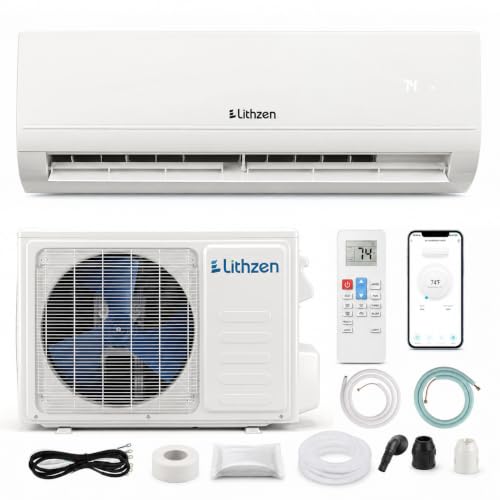
A 1 ton mini-split pairs an outdoor condenser with a wall-mounted indoor head and is the quietest and most efficient single-room option. It requires professional installation and a small wall penetration for refrigerant lines, but it delivers superior comfort and consistent efficiency. Explore the 1 ton mini-split guide, the single-zone ductless mini-split overview, and the most reliable mini-split brands comparison. If you want smart control, read about the mini-split Wi-Fi thermostat.
4. 1 Ton Through-the-Wall Air Conditioner
Through-the-wall units install in a sleeved wall opening and free up window space. They are common in hotels, apartments, and rooms where window mounting is not viable. For compatibility details, see the PTAC units guide and the 12,000 BTU through-the-wall AC overview.
Efficiency Ratings for 1 Ton Air Conditioners
Efficiency determines how much electricity a unit uses to deliver 12,000 BTU of cooling. Two ratings matter most for air conditioners: SEER2 (seasonal efficiency) and EER2 (steady-state efficiency). Higher values mean less energy consumed for the same cooling output.
| Tier | Typical Efficiency Range | Best For |
|---|---|---|
| Entry-level | Meets minimum DOE standards | Occasional use, mild climates |
| Mid-range | Moderately above minimum standards | Daily use in bedrooms and living rooms |
| High-end tier | Well above minimum standards | Frequent use, hot climates, long-term efficiency |
| Top-tier (inverter) | Highest available seasonal efficiency | Maximum comfort and lowest long-run energy use |
Inverter compressor technology is the single biggest efficiency improvement in modern 1 ton units. Instead of switching the compressor fully on and off, an inverter modulates speed continuously, which reduces temperature swings and energy waste. To understand the trade-offs, read inverter AC vs non-inverter and the alternate comparison at inverter vs non-inverter systems. For broader efficiency context, see the 14 SEER air conditioning unit reference and the variable speed air conditioner explainer.
Installation and Electrical Considerations
Before selecting a 1 ton unit, confirm that your electrical system can support it. Most 12,000 BTU window and portable units run on 115V circuits and draw roughly 9 to 11 amps, which usually works on a dedicated 15A or 20A breaker. Mini-splits are often 208/230V and require a dedicated circuit installed by a licensed technician.
- Circuit capacity: Verify breaker size and wiring gauge before installation. A dedicated circuit avoids nuisance tripping.
- Voltage: Understand the difference between 110V and 240V air conditioners before ordering.
- Placement: For mini-splits, indoor and outdoor unit placement affects efficiency and noise. Read AC indoor and outdoor placement.
- Professional help: Mini-split and central installations require refrigerant handling. See HVAC installation and local heating and air conditioning companies for vetted contractor guidance.
Maintaining a 1 Ton Air Conditioning Unit
Routine maintenance preserves cooling performance and extends the working life of the unit. A 1 ton system that is neglected can lose a noticeable share of its capacity within a few seasons due to clogged filters and dirty coils.
- Clean or replace filters every 4 to 8 weeks during heavy use. A clogged filter restricts airflow and forces the compressor to work harder.
- Clean condenser coils annually. Outdoor coils collect dust, leaves, and pollen. Rinse gently with a garden hose after powering the unit off.
- Check the drain line. Portable and mini-split units produce condensate. A clogged drain can trigger water leaks and shutdowns.
- Schedule seasonal service. See HVAC cleaning and service for a professional checklist.
- Watch for symptoms. If the unit runs but does not cool, review air conditioner running but not blowing air and the broader troubleshooting resources in the navigation menu.
1 Ton AC Selection Checklist
Use this checklist to narrow down the right 1 ton air conditioning unit for your space. Each item addresses a decision point that commonly causes buyer regret when skipped.
| Decision Point | What to Confirm | Where to Learn More |
|---|---|---|
| Room size | Measure length × width and check ceiling height | AC sizing guide |
| Installation type | Window, wall sleeve, portable, or mini-split | Space-saving AC options |
| Efficiency preference | Standard or inverter compressor | Inverter comparison |
| Electrical readiness | Available voltage and breaker capacity | Voltage guide |
| Smart features | Wi-Fi control, programmable thermostat | Thermostat guide |
| Heating need | Cooling only or combined heat pump | Wall AC with heat |
Ready to Compare 1 Ton Units?
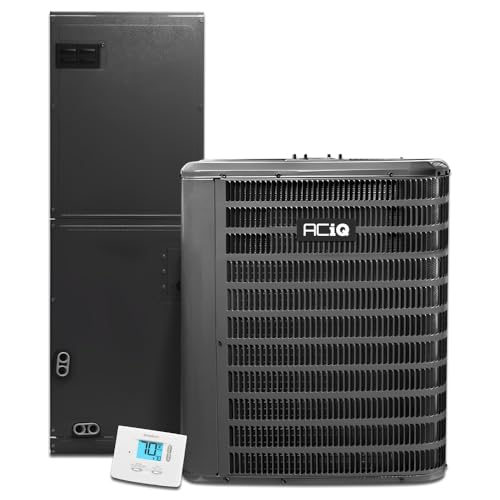
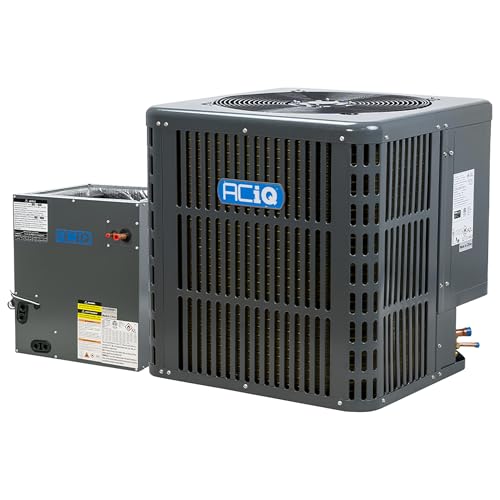
Review our curated selection of 1 ton air conditioning units below and match capacity, efficiency, and installation type to your room.
View Recommended UnitsCommon Mistakes When Buying a 1 Ton AC
Most disappointing purchases of a 1 ton air conditioning unit trace back to a handful of avoidable errors. Reviewing these before ordering saves time, energy, and frustration.
- Sizing by square footage alone. A sun-drenched room with poor insulation can need 20% more capacity than the table suggests. Use a load calculation or a BTU calculator rather than a rule of thumb.
- Ignoring humidity control. In humid climates, a slightly oversized unit can cool the room without removing moisture. Prioritize a unit that dehumidifies well and avoid extreme oversizing.
- Choosing portable over mini-split without comparison. Portable units are convenient but generally less efficient. If you own the space and plan to stay, a 1 ton mini-split is usually the better long-term investment.
- Skipping the electrical check. A dedicated circuit is not optional for many 12,000 BTU units. Confirm breaker capacity and outlet type before installation day.
- Overlooking noise levels. Window and portable units are noisier than mini-splits. For bedrooms, check decibel ratings and consider a mini-split or a quiet window model.
- Neglecting maintenance access. Choose a model with an easily removable filter and accessible coils. Hard-to-service units cost more to maintain over their lifetime.
If you are still deciding between capacity steps, the 1.5 ton central air conditioner overview and the 4 ton unit guide illustrate how capacity scales for larger homes. For a whole-house perspective, see the whole house AC system guide.